Seeking Affordable Gas? Native American Reservations Offer Lower Prices
Amid soaring gas prices, some drivers are finding refuge in unexpected places: Native American reservations. These locations often offer significantly cheaper fuel due to their tax-exempt status, providing a much-needed break for consumers grappling with the effects of geopolitical tensions such as the Iran war.
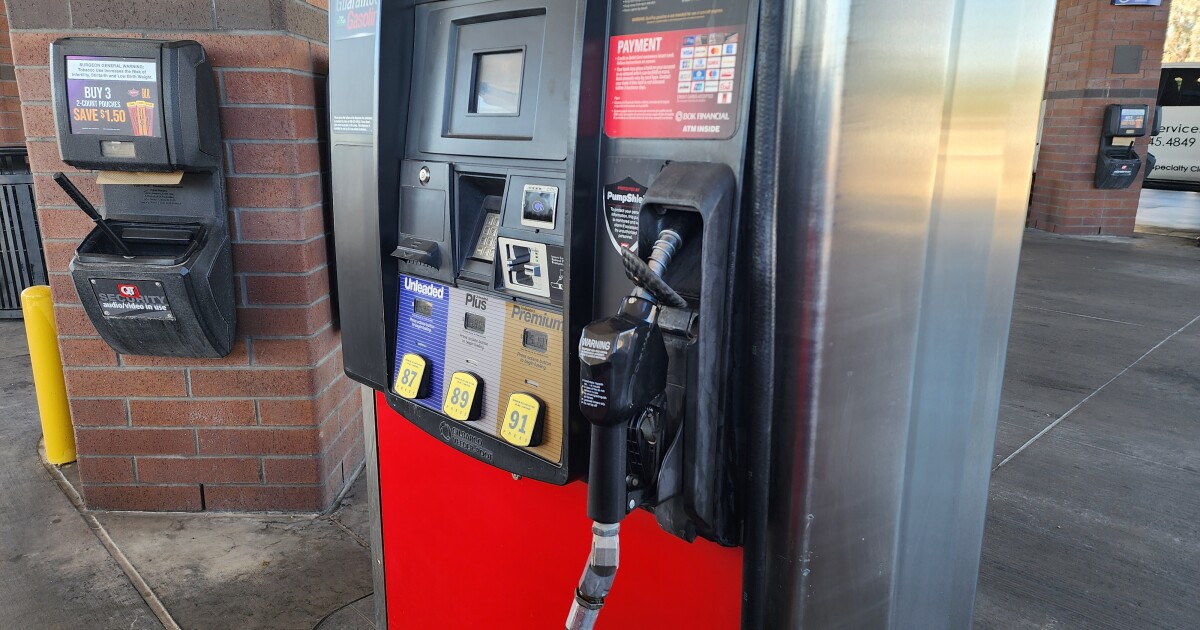
Junelle Lewis from the Seattle area exemplifies this trend. She drove nearly 30 minutes to the Tulalip Reservation to fill up her Chevrolet Suburban for $4.84 a gallon—a substantial savings compared to prices near her home. “I purposely drove here just for the gas,” Lewis stated, noting that this station consistently offers some of the lowest prices in her area.
Many drivers, like Lewis, are discovering the benefits of purchasing gas on reservations. States with numerous tribally owned stations, such as California, New Mexico, New York, Oklahoma, and Washington, are particularly popular for bargain hunters.
Uncovering Savings Through Apps and Tribal Exemptions
With the aid of apps like Gas Buddy, consumers are finding it easier to locate the cheapest gas prices. As gas prices have climbed over $1 since the start of the Iran war on February 28, reaching an average of $4.15 per gallon nationwide, these tools are becoming indispensable. According to AAA, although prices have been higher, economists expect them to continue rising due to ongoing geopolitical tensions.
However, nearly 500 tribally owned convenience stores with gas stations across the U.S. are offering deals. For instance, the Chukchansi Crossing Fuel Station & Travel Center in California offers gas at $5.09 per gallon, which is 60 cents cheaper than nearby stations. Similarly, in New Mexico, the Mescalero Apache Reservation boasts prices as low as $3.79 per gallon.
The Tax Advantage on Tribal Lands
One of the key reasons behind the lower prices on reservations is tax exemptions. Tribes are required to pay the federal fuel tax but are generally exempt from state fuel taxes. This exemption allows them to sell gas at reduced prices. Dan Lewerenz, an assistant law professor at the University of North Dakota, explains that U.S. courts have long upheld the principle that states cannot collect taxes from Native Americans on their land.
This exemption is significant, as state taxes vary widely—from 9 cents per gallon in Alaska to 71 cents in California. Court rulings and agreements between states and tribes further complicate the tax landscape, but the result is often cheaper gas for consumers on tribal lands.
Beyond Fuel: Tribes Diversify Revenue Streams
While gas sales draw customers, tribal businesses are also capitalizing on additional revenue streams. Many stations offer groceries and household supplies, filling the gap in so-called “food deserts.” Matthew Klas, a consultant specializing in tribal businesses, notes that these stores often provide the most accessible and affordable options for essential goods.
These businesses are diverse, including drive-through smoke shops, car washes, and even casinos. For instance, 205 tribally owned gas stations are located at or near casinos, with some offering gambling machines in a setup known as “gasinos.”
Revenue from these operations supports essential community services on reservations. Tanya Burns, CEO of the Tulalip Tribes Federal Corporation, emphasized that rising gas sales are reinvested in the community, funding infrastructure, healthcare, and other vital services.
Community and Cost: A Winning Combination
It’s not just about the savings. Many consumers appreciate the community support that comes with their purchases. Todd Hall, for example, fills his tow truck at the Citizen Potawatomi Nation gas station in Oklahoma, where diesel is notably cheaper. Mark Foster, another loyal customer, values the tribe’s role as a community partner, in addition to the cost savings.
Despite the challenges of fluctuating gas prices, consumers like Jared Blankenship, who had to switch back to a gas vehicle, find solace in the competitive prices offered on reservations. As he succinctly put it, “It’s either Costco or looking wherever’s cheap, like the rez. So here we are.”