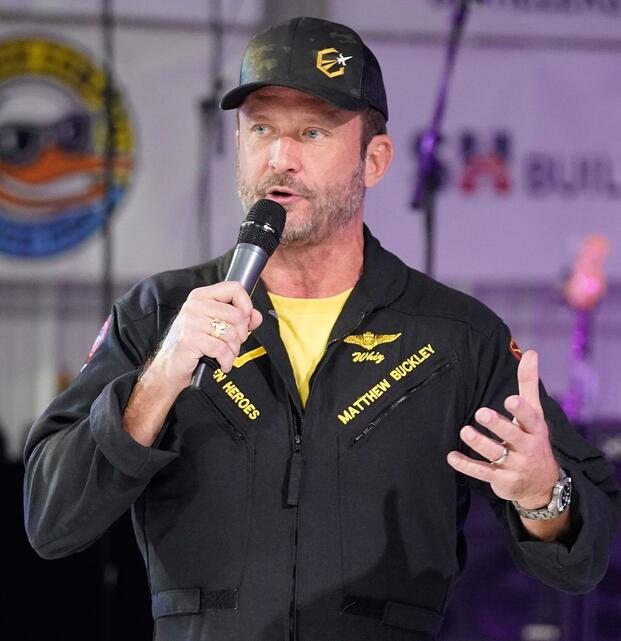
For many veterans, the transition from military to civilian life can be fraught with challenges, leading to struggles with mental health. One veteran, Matthew Buckley, believes he has found a solution through an unconventional method that is gaining traction: psychedelic therapy.
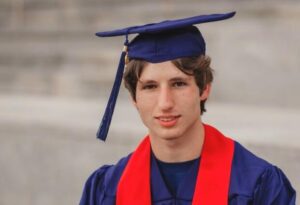
Matthew “Whiz” Buckley, a former Navy fighter pilot who flew F/A-18 jets, faced numerous high-stress situations during his service. However, after leaving the military, he encountered difficulties adjusting to civilian life, a common issue among veterans. In 2021, Buckley shared that psychedelic therapy played a crucial role in his recovery from addiction and helped him reconnect with his true self.
To provide support for fellow veterans, Buckley established the No Fallen Heroes Foundation. He explained to KAUZ in Wichita Falls, Texas, that this form of therapy had a profound impact, particularly during stressful times like the holidays when depression and anxiety often spike for veterans.
Suicide Led to Therapy
Buckley vividly remembers the pivotal moment that led him to seek help—when his fourth F/18 brother took his own life. Buckley stated, “My fourth F/18 brother committed suicide. I was convinced I wasn’t that too far behind him, and in May of 2021, I went down to Mexico with a group of very decorated combat veterans, and I’ve done some challenging things in my life. This was without a doubt the most challenging thing that I’ve done; it was not fun, it was not recreational, but I got about 40 years of therapy in a weekend. It just absolutely changed and saved my life.”
Realizing that many veterans battle mental health issues in isolation, Buckley founded the foundation to provide a sense of community and to offer alternative therapies. He is committed to spreading this message, hoping to prevent other veterans from making irreversible decisions.
“I would like to remind veterans as well: they’ve survived every one of their worst days, right? And they’ve probably had some worst days in combat and in the military, so if you can survive those days, you can survive anything that life’s thrown at you,” said Buckley.
The No Fallen Heroes Foundation has offered these therapeutic “sacraments,” or healing retreats, to over 100 veterans, none of whom have reported negative experiences.
Multiple Ways to Help
The foundation supports veterans by providing grants and mental health treatment through trauma-informed psychedelic retreats. “We provide healing grants for veterans, first responders, and family members, because family members serve too,” Buckley said. He emphasized that the impact of military service extends to family members, who also benefit from these grants.
The retreats are structured similarly to military missions, including preparatory briefing calls and detailed treatment manuals. Post-retreat, the foundation maintains contact with veterans through integration calls.
Buckley encourages both veterans and civilians to actively participate in reducing the suicide rate by reaching out to peers. He suggests, “Pick up your phone, go through your phone, and find five to 10 of your veteran brothers and sisters and call them, and ask how they’re doing, are they good, do they need anything. You might just save a life during that check-in.”
The foundation also extends its services to first responders and their families, recognizing the unique challenges they face.