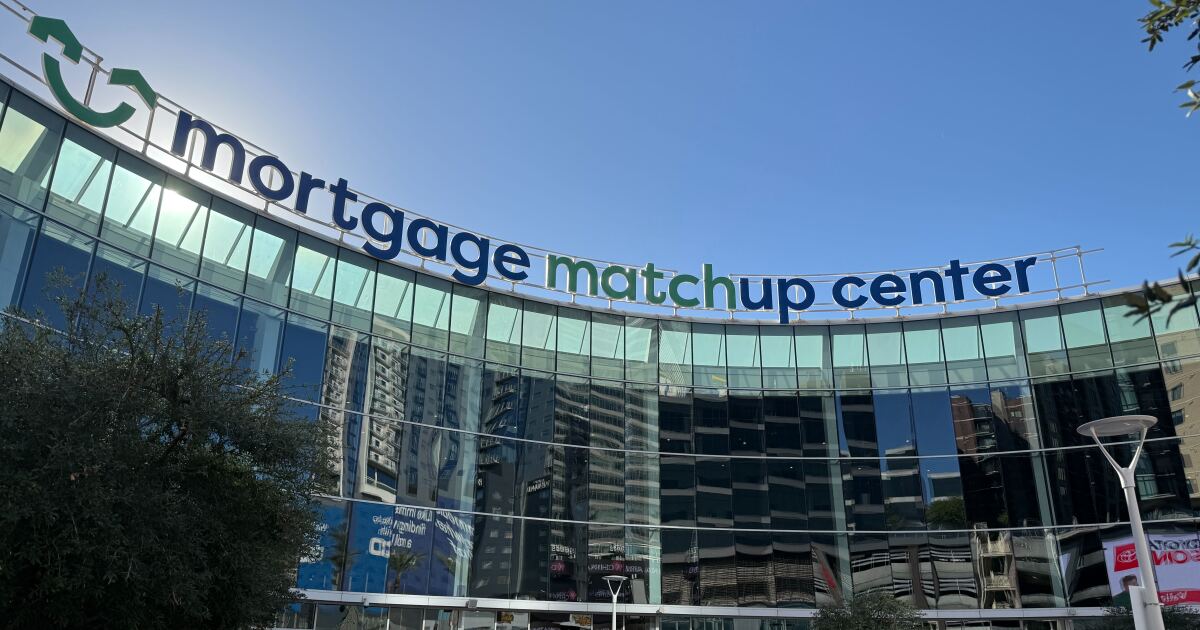
In the ever-changing landscape of sports arenas, names can carry significant meaning and evoke strong sentiments among fans. The Phoenix Suns and Mercury’s downtown arena recently underwent its seventh rebranding, now known as the Mortgage Matchup Center, following a lucrative naming rights deal with United Wholesale Mortgage.
This $115 million, 10-year agreement was orchestrated by Mat Ishbia, the president and CEO of United Wholesale Mortgage, who also holds ownership of the Suns and Mercury. Over the years, the arena has worn various titles, from America West Arena to Talking Stick Resort Arena, reflecting both corporate partnerships and local heritage.
Understanding the Importance of Naming
Kathleen Lamp, an associate professor in the English Department at Arizona State University, sheds light on the significance of naming sports venues. “Naming is really important. Naming is how people assign meaning to place,” Lamp explains. The names of sports arenas often forge a connection between fans, the city, and the teams, fostering a sense of civic pride.
Historically, sports venues were named in a commemorative fashion, focusing on local attributes or historical references. However, corporate naming surged in the 1990s. According to Lamp, this transition reflects a shift in priorities, with financial considerations often taking precedence over regional significance.
Fans’ Acceptance of Corporate Names
A study by Gillooly and colleagues in 2020 delved into the factors influencing fans’ acceptance of corporate-sponsored names. The research identified three major factors: the tradition associated with the existing name, the regional fit of the sponsoring company, and the prior relationship between the corporate sponsor and the fans.
For instance, fans are less likely to embrace a new corporate name if the venue has a long-standing commemorative title, as seen with Fenway Park in Boston. Conversely, a local company’s sponsorship, such as America West Arena’s initial naming, can foster a positive reception.
Lamp highlights that even if a company isn’t local, fans may view the partnership favorably if the brand holds a positive reputation or contributes to necessary stadium upgrades. This perceived benefit can outweigh the lack of local roots.
The Enduring Legacy of Old Names
Despite official name changes, fans often cling to previous monikers, as exemplified by those who continue to refer to the Diamondbacks’ stadium as Bank One Ballpark. Lamp notes that such resistance is common, drawing parallels with Chicago’s Sears Tower, a name many refuse to relinquish despite its official rebranding.
While some venues, like Mile High Field, attempt to balance corporate sponsorship with traditional names, this dual naming strategy reflects an effort to maintain civic identity while capitalizing on financial opportunities.
The Economic and Social Impact
The decision to assign naming rights involves careful consideration of fan sentiment and potential backlash. Sports arenas serve as vital communal spaces where fans gather, not just as consumers, but as part of a shared cultural experience. Lamp emphasizes the importance of these venues in creating cherished memories, whether through sporting triumphs or significant family events.
Ultimately, while financial incentives drive many corporate naming deals, sports teams and arena owners must balance these motivations with preserving the emotional and cultural connections that fans hold dear. The name above the arena doors, after all, can resonate deeply with the community it serves.