Arizona’s Public Lands Debate: A Clash of Economic Interests and Conservation
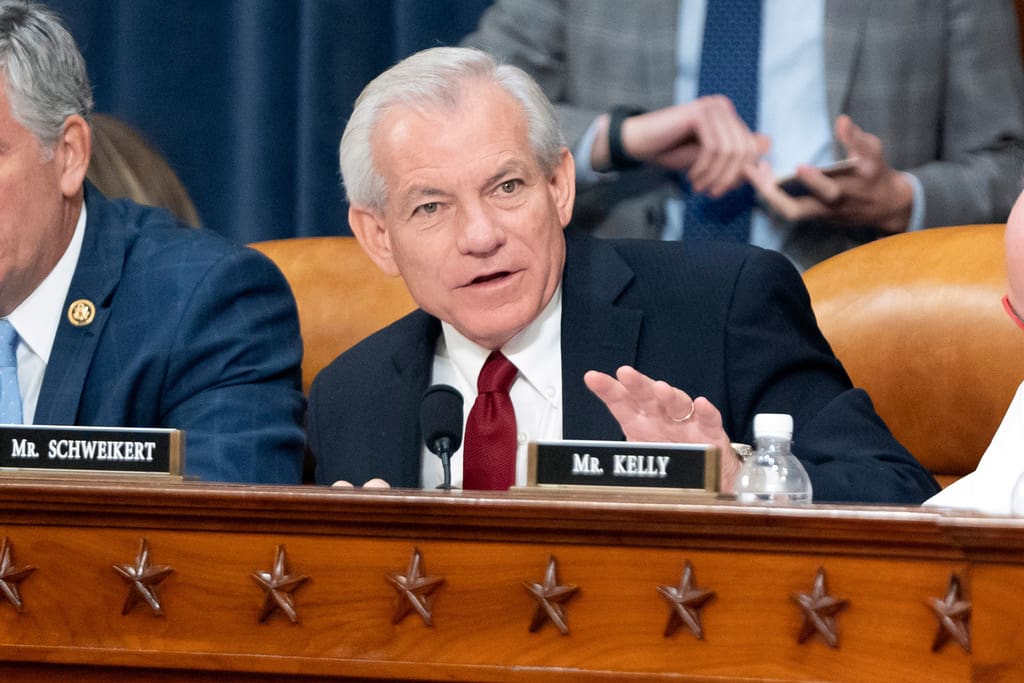
Arizona’s public lands are at the center of a heated debate as Republican Rep. David Schweikert has proposed selling them off if he becomes governor. This idea, shared in a recent podcast, aligns with a long-standing desire from some of his donors to monetize these lands.
Encompassing around 30 million acres, Arizona’s public lands cover roughly half the state. These lands, which include parks and protected forests, have attracted the attention of large corporations interested in oil, gas, and real estate development.
“The state just has to sort of set a rational, fair way to get these [lands] in private hands so we actually have economic opportunity,” Schweikert stated in the interview.
However, the Arizona Wildlife Federation opposes the idea, citing potential harm to wildlife and the tourism economy. Their website warns, “Pressures to maximize revenues or monetize these lands result in fragmented habitats that no longer provide the necessary connections and corridors, or sufficient food, water, and shelter for wildlife. Once developed, there’s no turning back.”
Prominent supporters of the land sales include Koch Industries and the National Association of Realtors, both of which have been significant contributors to Schweikert’s political campaigns since his first run for the Arizona House of Representatives in 1994. The National Association of Realtors has contributed $65,000, while Koch Industries has given over $42,000 to Schweikert.
Throughout his 15-year congressional career, Schweikert has consistently opposed measures to safeguard public lands from corporate interests. He voted against the Protect America’s Wilderness and Public Lands Act three times. This bill aimed to protect federal lands in multiple states, including Arizona, from resource extraction.
In 2019, Schweikert voted twice against prohibiting mining on public lands, leaving areas like the Grand Canyon and Chaco Culture National Historical Park susceptible to development.
Moreover, in 2017, he opposed a bipartisan amendment to prevent the sale or lease of public lands to private entities. The amendment failed to pass.
Schweikert’s current gubernatorial campaign challenges incumbent Democratic Gov. Katie Hobbs. He faces competition in the primary from fellow Republican Rep. Andy Biggs, who also supports selling public lands.
Gov. Hobbs prioritizes land conservation and has opposed provisions in the One Big Beautiful Bill Act (OBBB) that would sell millions of acres of public lands in the West. She stated, “Arizona is not for sale,” emphasizing the threat to cherished places like Mount Lemmon and Sabino Canyon.
Schweikert supports OBBB, despite opposition from nearly three-in-five Arizona voters, according to a Colorado College poll, who opposed the rollback of land protections under the law.