The digital media landscape has dramatically transformed over the past decade, with BuzzFeed once hailed as a trailblazer. However, as of 2026, the company’s future seems uncertain.
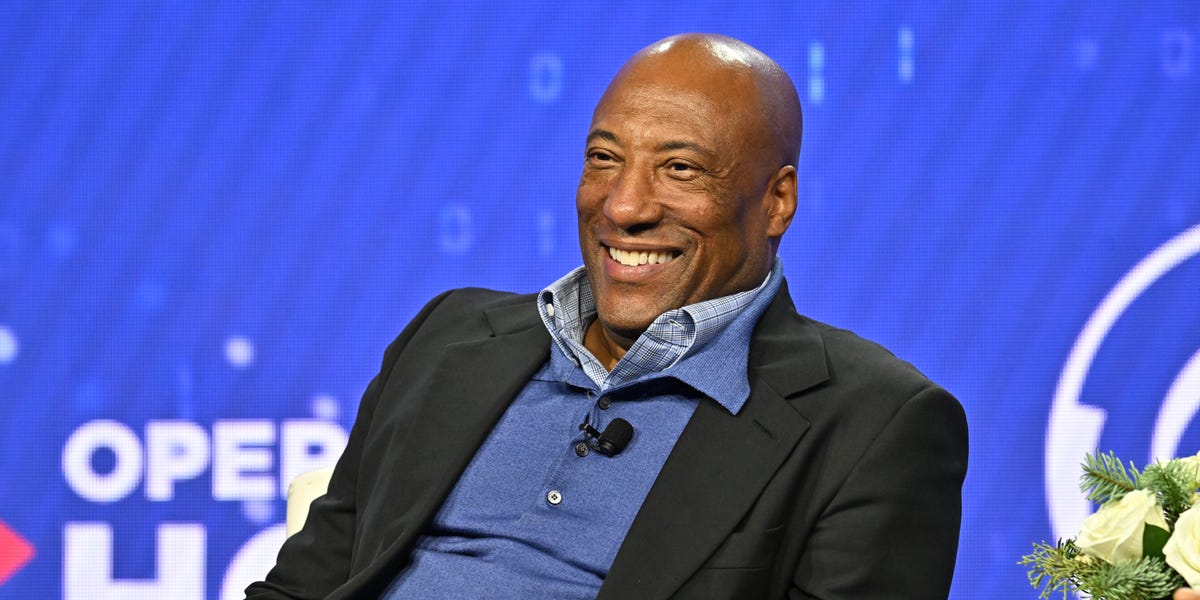
In March, BuzzFeed revealed to its investors that it was facing financial challenges and exploring “strategic options.” The outcome of this exploration was announced on Monday: Byron Allen, a media entrepreneur, will acquire a majority stake for $120 million.
BuzzFeed’s journey from being a digital powerhouse to its current predicament reflects wider industry shifts. Once, digital newcomers like BuzzFeed, Vice, and Vox Media were seen as the epitome of modern media, skillfully navigating emerging platforms and catering to millennial audiences. This promise attracted significant investments from major media corporations like Comcast, Disney, and Fox, boosting company valuations to impressive heights: BuzzFeed at $1.7 billion, Vice at $5.7 billion, and Vox at $1 billion.
However, this trajectory took an unexpected turn. Digital advertising proved challenging, and partnerships, especially with Facebook, became competitive instead. This led to a series of financial setbacks for these companies, including layoffs and, in Vice’s case, bankruptcy protection. Vox Media is reportedly considering selling parts of its business, including its podcast network and New York magazine, to James Murdoch’s Lupa Systems.
In 2024, BuzzFeed fought off a takeover attempt by Vivek Ramaswamy, a former Republican presidential candidate, but the company now seems to be conceding. The question arises: why is Byron Allen interested in purchasing BuzzFeed?
Allen, known for his ambitions to acquire major media entities, has expressed a desire to “build on the iconic foundation of BuzzFeed and HuffPost by expanding into free-streaming video, audio, and user-generated content.” This vision mirrors what Ramaswamy proposed previously. Furthermore, Allen ambitiously claims that “with the power of AI, BuzzFeed is officially chasing YouTube to become another premiere free video streaming service,” though industry skeptics doubt this outcome.
While Allen doesn’t own Paramount, he will be involved in programming the CBS late-night slot vacated by Stephen Colbert. This will allow him to maintain a presence on the network, alongside owning a once-celebrated digital brand.
The financial structure of Allen’s deal for BuzzFeed is intriguing. The $120 million headline figure for 52% of the company’s shares includes $20 million in cash and a deferred payment of $100 million plus interest over five years.
BuzzFeed’s market valuation before this announcement was under $30 million, suggesting Allen’s offer significantly exceeds market expectations. BuzzFeed has previously argued its stock value underrepresents its true worth due to substantial debt burdens. Yet, the company’s latest financials tell a challenging story: a 12.4% revenue decline to $31.6 million and a 21% increase in losses to $15.1 million in the latest quarter. Added to this is a going concern warning from March, indicating severe financial distress.
Whether Allen’s venture will prove successful remains to be seen. Perhaps under his leadership, BuzzFeed will undergo restructuring and find new ways to harness its brand strength. However, it’s clear that this is not the media future envisioned by its founder Jonah Peretti and others a few years ago.