As the United States intensifies efforts to secure essential minerals for modern technology, a pivotal question arises: Who will process these minerals once extracted? This complex challenge underscores the need for not just resource acquisition but also robust processing capabilities.
The U.S. government is allocating billions of dollars toward securing critical minerals vital for electric vehicles, smartphones, and military systems. However, the nation faces a significant gap in its capacity to process these materials, a capability it has largely lost since the 1990s.
America’s Decline in Mineral Processing
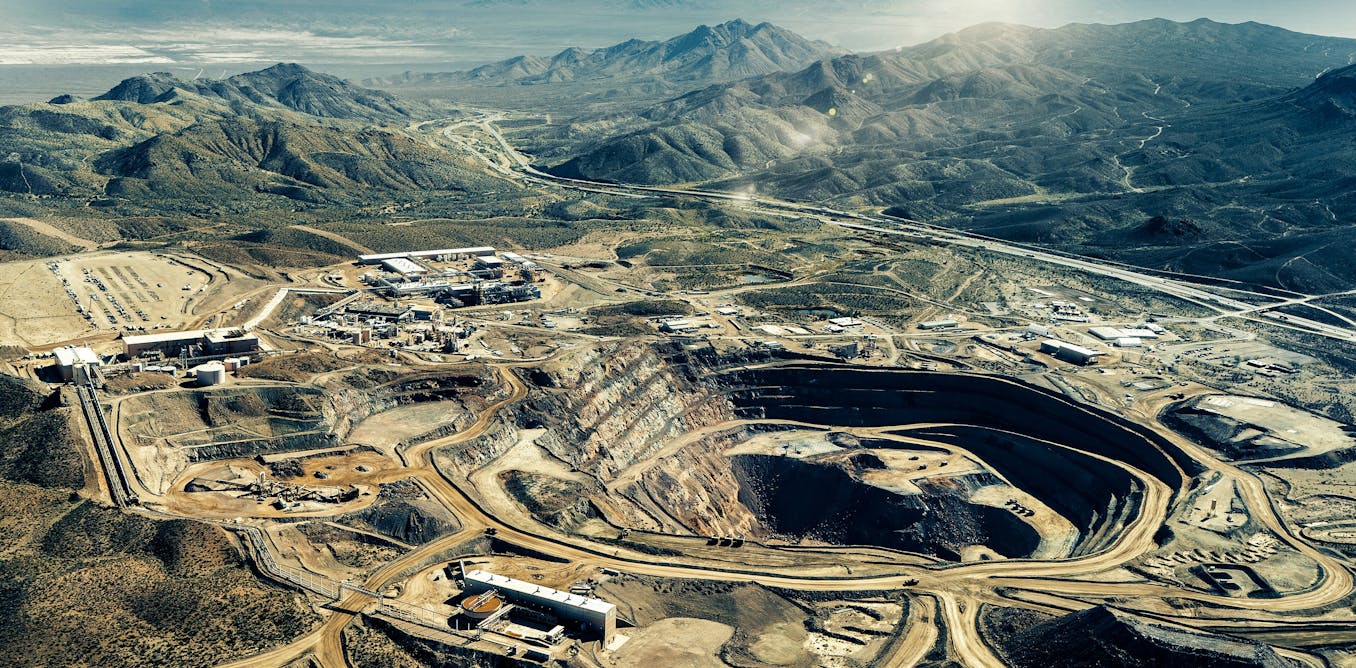
From 1965 to the mid-1980s, the United States was a leading force in rare earth mineral production, notably through the Mountain Pass mine in California. This mine was the world’s primary source of rare earth elements for electronics and defense. However, environmental challenges and stricter regulations increased costs, prompting a shift in production to China, where regulations were less stringent.
Consequently, U.S. production of these elements plummeted to virtually zero by the early 2000s. As of 2024, the U.S. imported about 80% of its rare earth compounds and metals, with 90% of extraction output sent to China for processing.
Challenges in Rebuilding Processing Capabilities
The push to enhance domestic mineral production underscores national security concerns. Yet, establishing processing facilities requires extensive permitting, specialized equipment, and skilled workers. The timeline from investment to production can span a decade, complicating efforts to rebuild this capacity.
Currently, the U.S. boasts two mining sites: one in Georgia and the Mountain Pass mine, producing significant quantities of rare earth mineral concentrates. Despite these assets, the nation heavily relies on imports, particularly from China, to meet its needs, as highlighted by 2025 U.S. Geological Survey data.
Environmental and Workforce Challenges
Processing critical minerals is inherently challenging due to environmental regulations that raise operational costs. Facilities must adhere to strict standards for air and water quality, a legacy of past environmental disasters that led to significant regulatory changes in the U.S.
Moreover, the country faces a shortage of skilled workers in mining and mineral engineering. Education programs now produce only a few hundred graduates annually, far fewer than in previous decades. Projections suggest the mining workforce must expand significantly to meet growing demand for specialized skills in areas like rare earth separation and environmental compliance.
Strategies to Revitalize the Supply Chain
Learning from international examples could guide the U.S. in revitalizing its supply chain. Canada’s strategy integrates mining projects into manufacturing sectors, while Australia employs policies that combine incentives with workforce training in mining and metallurgy.
The U.S. possesses key elements for rebuilding its processing capabilities, such as research universities and a skilled industrial workforce. Enhancing educational programs and promoting retraining initiatives in regions like Appalachia could bridge the skills gap, offering new opportunities to workers affected by coal’s decline.
Addressing the Real Bottleneck
While discussions often focus on resource availability and geopolitical factors, the true bottleneck lies in developing a skilled workforce and industrial systems. To establish a domestic supply chain, the U.S. needs expertise in advanced processing techniques and regulatory compliance.
With significant mineral resources and increasing policy support, the U.S. must invest in the workforce and infrastructure necessary to transform these resources into valuable materials. This long-term investment is essential to overcoming decades of decline and ensuring a sustainable future for domestic mineral processing.