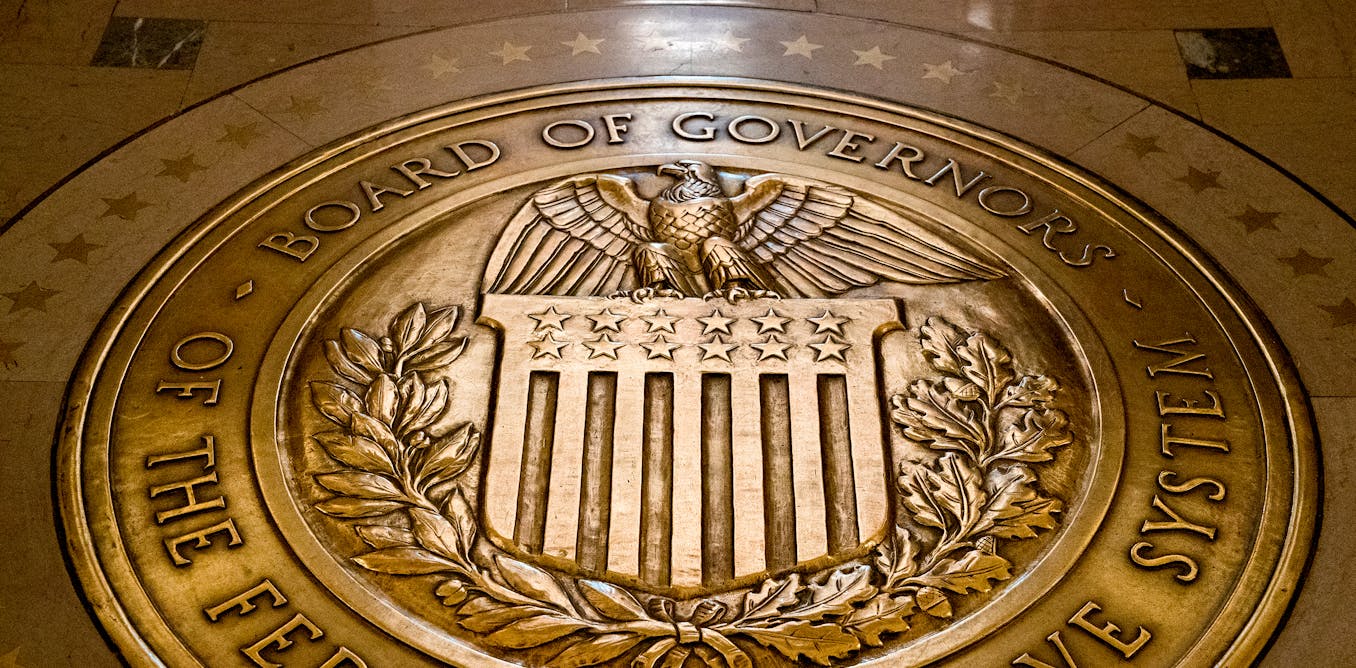
The Federal Reserve wields unparalleled influence over the U.S. economy, shaping interest rates, inflation, and bank regulations that affect everyday life. This power prompts scrutiny from critics across the political spectrum, questioning the Fed’s accountability and independence.
Interest rates, inflation, and bank regulation crafted by Fed policies impact financial decisions ranging from mortgages to hiring practices. Yet, the Fed’s independence raises concerns about its accountability, as highlighted by critics on both the left and the right.
The balance between independence and accountability is delicate. Historically, the Fed’s independence has been seen as crucial for controlling inflation without political interference. However, since the 2008 financial crisis, the Fed’s expanded role in private-sector lending and securities purchases has intensified calls for increased congressional oversight.
Further complicating the situation, President Donald Trump has persistently pressured the Fed to lower interest rates and has attempted to remove Fed Governor Lisa Cook, despite losing the case in the U.S. Supreme Court. These dynamics present significant challenges for the new Fed Chair, Kevin Warsh, as he prepares for his inaugural keynote speech at the Jackson Hole conference, a gathering of global finance and policy leaders.
Despite steps toward transparency, the Fed remains an enigmatic entity to many Americans. Its decisions, while impactful, often lack clarity and transparency. A more accountable Fed, it is argued, could strengthen its independence, yet defining accountability remains a challenge.
An Independent Outlier
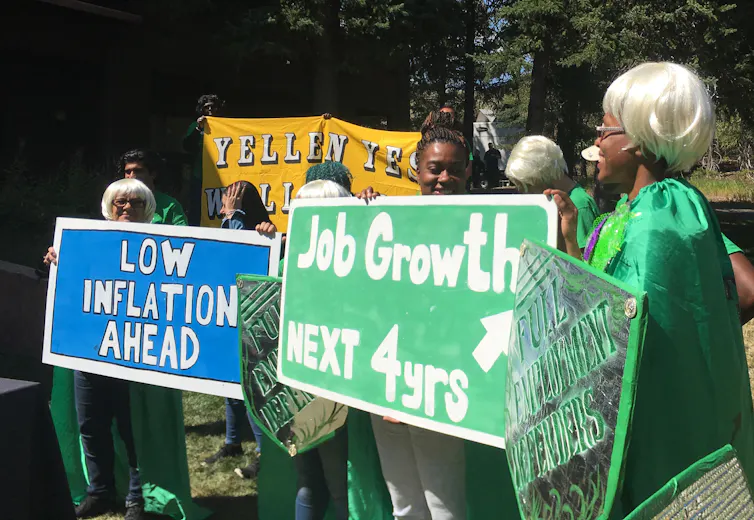
The debate over the Federal Reserve’s accountability dates back to 1978, amidst economic struggles with stagflation. That year, the Humphrey-Hawkins Act was enacted, requiring regular reports from the Fed chair to Congress, establishing a formal oversight channel. Additionally, the Federal Banking Agency Audit Act allowed the Government Accountability Office to audit the Fed, with exceptions for monetary policy deliberations.
Despite these measures, the Fed remains unique among federal entities, being self-financing, with governors serving 14-year terms removable only “for cause.” Its inspector general is appointed internally rather than by external authorities, leading to criticisms of “undersight.”
AP Photo/Martin Crutsinger
Growth Through Crisis
The 2008 financial crisis expanded the Fed’s activities, utilizing emergency lending powers and creating special lending facilities. It also engaged in quantitative easing, buying trillions in bonds to lower interest rates. The Fed’s balance sheet at its peak in March 2022 was nearly $9 trillion, significantly larger than its 2007 size.
These actions blurred the lines between monetary and fiscal policy, raising questions about the Fed’s role in wealth distribution and sector protection, traditionally legislative responsibilities. Critics, including former Fed Governor Kevin Warsh, noted the need for scrutiny of such impactful decisions.
When Scrutiny Is Due
Accountability involves transparency about decision-making, policy evaluation, and the role of elected officials in oversight without undermining the Fed’s independence. Critics like Andrew Levin advocate for reforms to ensure the Fed serves public interests, while others caution against compromising the Fed’s independence.
Former Fed Vice Chair Donald Kohn highlighted concerns about confidential information being accessed prematurely, which could affect policy debates.
AP Photo/Alex Brandon
A New Mandate for a New Chair?
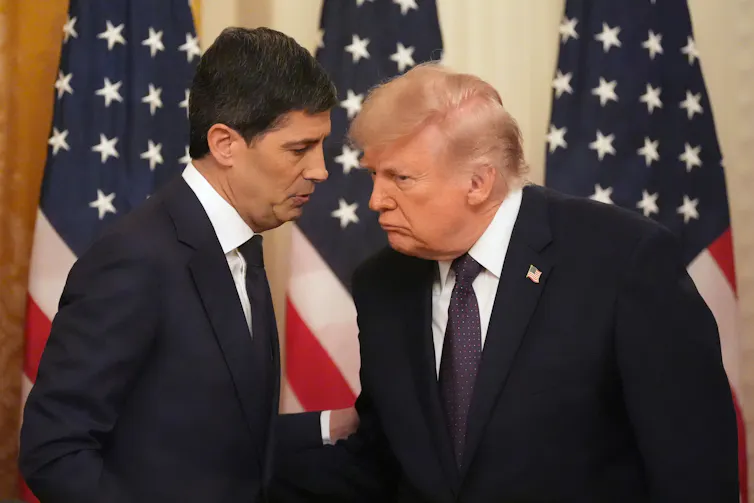
Fed Chair Kevin Warsh has initiated procedural changes and established five task forces to report by year-end, including one focused on Fed communication. This review may redefine accountability as a support for Fed independence. Warsh emphasized public accountability in a pre-chair interview, underscoring the importance of transparency in policy decisions.
While his approach remains under wraps, the upcoming Jackson Hole conference will be closely watched for indications of Warsh’s plans to reshape the Fed.