In the United States, both political parties frequently emphasize their dedication to the working class, yet a closer look reveals a different story. Despite their claims, both the Democrats and Republicans seldom nominate candidates who have a significant background in working-class occupations. This trend is not just a domestic issue but mirrors a global pattern that affects policy and representation in democratic institutions.
The underrepresentation of individuals from working-class backgrounds in political offices can have tangible impacts. Research indicates that when fewer people from these backgrounds hold office, the resulting policies may not adequately reflect working-class interests. Programs like safety nets are less robust, business regulations are weaker, and worker protections are often insufficient. While the working class can influence policy through other means, their lack of representation in elected positions often sidelines their interests.
Our research delves into the reasons behind and consequences of the scarcity of politicians from working-class jobs. We define these jobs as manual labor, service industry positions, and clerical roles, excluding small-business owners and those requiring extensive education. These roles typically offer little job security, yet they are significantly underrepresented in political spheres.
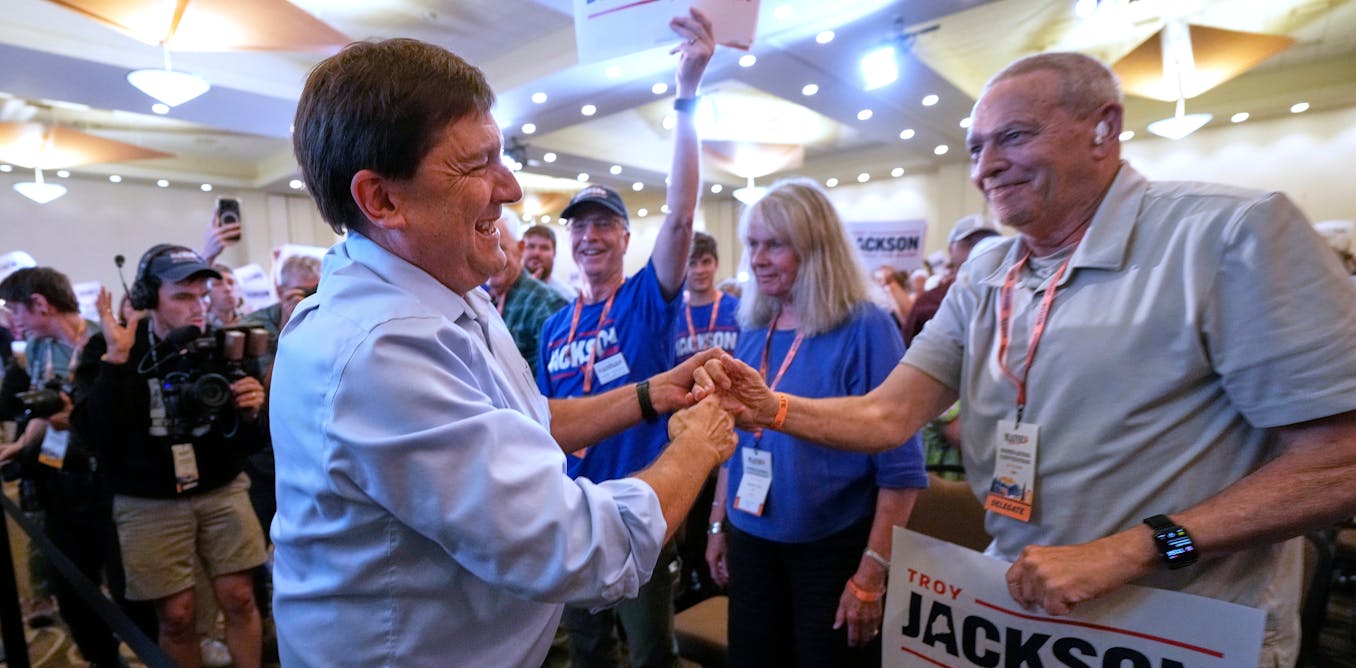
Some notable exceptions exist, such as U.S. Rep. Alexandria Ocasio-Cortez, a former bartender, and Troy Jackson of Maine, previously a logger. Indiana state Sen. Jim Tomes, a former truck driver and union steward, is another example. Internationally, figures like Stefan Löfven, former prime minister of Sweden, and Luiz Inácio Lula da Silva, president of Brazil, share this background. However, these cases are rare, and overall, working-class people remain markedly underrepresented in political institutions.
The working class rarely holds office
Nearly half of the American labor force is engaged in working-class jobs, yet those who transition from these roles to political positions are exceedingly rare. In state legislatures and Congress, individuals who last held working-class jobs before entering politics constitute only about 1% of representatives. This pattern is not unique to the U.S.; global democracies show similar trends, with only 2% of national legislature members coming from working-class backgrounds.
Common explanations for this disparity include high campaign costs and the decline of labor unions in the U.S. However, even in countries like Germany and Belgium with public financing, or heavily unionized Finland, the representation of working-class individuals remains low, at 5% or less.
What keeps workers out of office?
The reasons working-class individuals rarely hold office are not due to a lack of qualifications or interest. In fact, working-class candidates are often as qualified and motivated as their white-collar counterparts. Our research, highlighted in “Keeping Workers Off the Ballot,” suggests that the major barrier is the demanding nature of campaigning, which is often personally burdensome and financially risky.
Surveys show that working-class individuals are more likely to cite financial concerns, such as taking time off work, as a barrier to running for office. Political parties and interest groups, aware of these challenges, tend to favor candidates they view as more likely to succeed, often overlooking qualified working-class individuals in favor of white-collar professionals.

AP Photo/Steven R. Groves
Reforms that help workers are possible
Addressing these disparities requires targeted reforms. Our report for the American Academy of Arts and Sciences proposes several strategies, including candidate training programs and political scholarships aimed at working-class individuals. Initiatives like the New Jersey AFL-CIO’s Labor Candidates School are examples of efforts already in place.
Longer-term solutions could involve implementing party quotas or creating citizen juries to advise policymakers. Without significant reforms to address the structural barriers faced by working-class candidates, they will continue to be underrepresented in political offices worldwide.