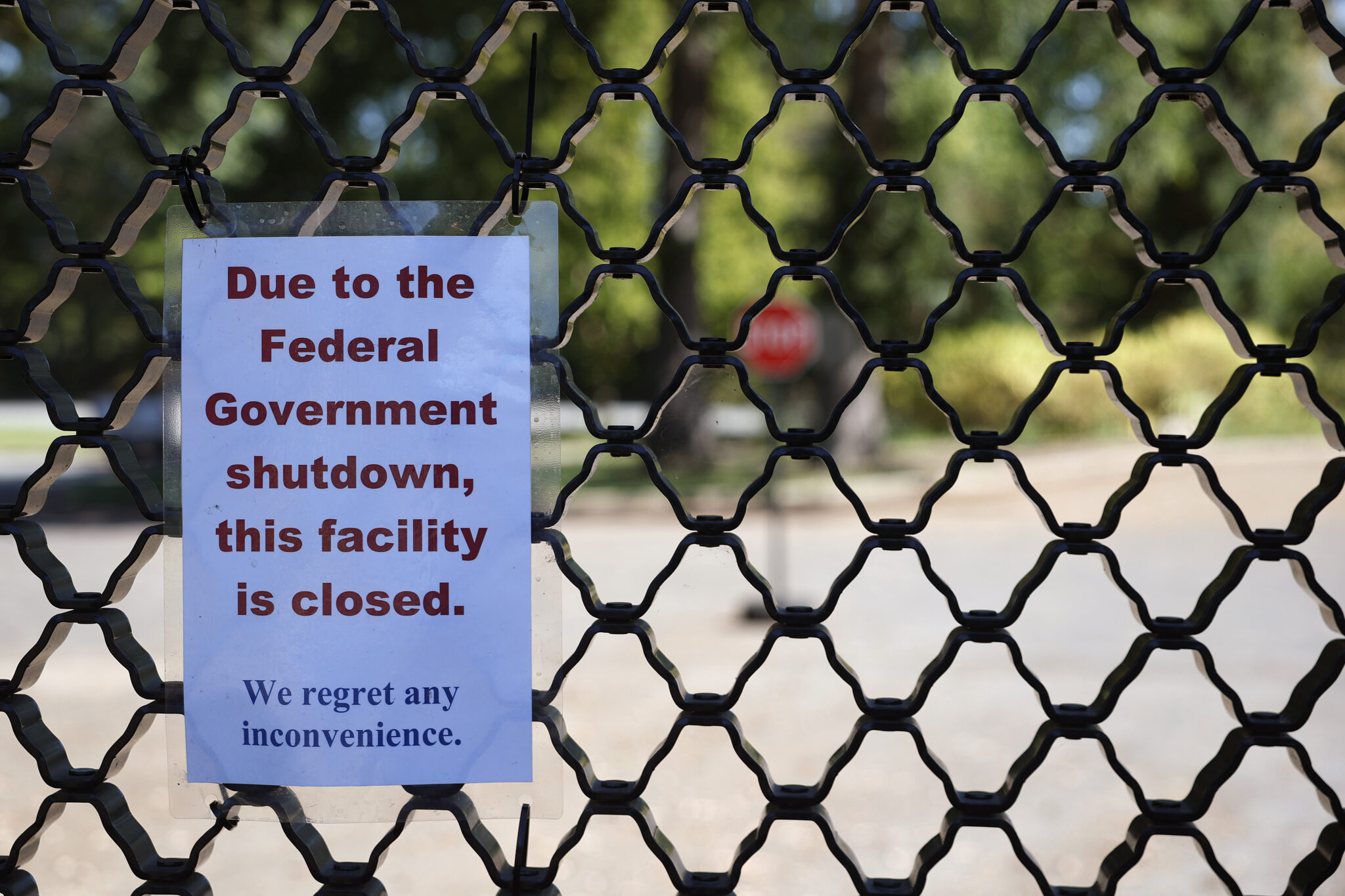
WASHINGTON — A federal government shutdown, the first in seven years, has resulted in the furlough of hundreds of thousands of employees, creating confusion for the public about which services are operational and which are not.
To shed light on the situation, States Newsroom’s Washington, D.C. Bureau examined agency plans and provided a comprehensive guide on the current status of various governmental departments:
Agriculture Department
The USDA has furloughed approximately half of its workforce, totaling 42,300 out of nearly 86,000 employees. However, certain essential operations, such as food safety and wildland firefighting, continue. Programs addressing emergency animal and plant health issues are exempt from furloughs. Other programs, including disaster assistance and trade negotiations, have been halted until further funding is secured, though employees will receive back pay once the government is operational.
Commerce Department
The Department of Commerce retains just over 19% of its workforce, with most employees working without pay. The department continues essential functions like weather forecasting, while research activities and U.S. Census Bureau operations are largely paused. Patent and trademark services may continue under alternative funding.
Defense Department
While military personnel continue their duties, 406,500 civilian defense workers are working without pay, and others are furloughed. High-priority operations, such as border security and Middle East activities, are ongoing. Medical services are largely maintained, although some elective procedures are deferred.
Education Department
Approximately 95% of the Education Department’s employees outside the federal student aid unit are furloughed. Essential financial aid like Federal Direct Loans and Pell Grants continue, as does funding under Title I and IDEA. New grant activities and civil rights investigations are paused.
Energy Department
The Energy Department has furloughed around 60% of its workforce. Critical functions related to nuclear security and essential isotope production continue. Programs like the Bonneville Power Administration remain funded independently and operational.
Environmental Protection Agency
Nearly 90% of the EPA’s workforce is furloughed. Activities crucial for human life protection, such as monitoring emergency sites, continue. However, the issuance of new grants and non-urgent site cleanups are suspended.
Health and Human Services Department
HHS has furloughed around 32,500 employees. Many activities continue due to life, property, or national security exceptions. However, CDC’s public communications are limited, and certain CMS employees keep programs like Medicare operational.
Department of Housing and Urban Development
HUD’s operations for grant funds already allocated, including emergency housing, continue. However, fair housing activities are paused during the shutdown.
Internal Revenue Service
The IRS is maintaining operations through supplemental funding. However, its oversight body is operating at reduced capacity, and its website displays a notice of unavailability due to funding issues.
Interior Department
Over half of the Interior Department’s workforce is furloughed. While national parks remain open, services like maintenance and educational programs are suspended.
Justice Department
Most Justice Department functions continue, with key law enforcement agencies operational. Immigration courts may face delays, but priority is given to the Executive Office for Immigration Review.
Labor Department
More than 75% of Labor Department employees are furloughed, impacting various services. However, support for unemployment insurance benefits continues.
Homeland Security Department
Homeland Security retains most of its workforce, ensuring border inspections and TSA operations continue. Some visa programs are suspended due to funding issues.
State Department
Over half of the State Department’s employees are furloughed. While some consular services continue, diplomatic visas are restricted to emergencies.
Social Security Administration
The SSA continues essential activities like benefit payments, but experiences limited capacity for certain verifications and card replacements.
Transportation Department
Key services like air traffic control remain operational, although over 11,000 employees are furloughed. Some agencies within the department remain unaffected due to independent funding.
Treasury Department
The Treasury Department maintains essential functions to support economic stability, though some oversight activities are reduced.
Department of Veterans Affairs
The VA continues most services due to independent funding, ensuring health care and benefits for veterans remain uninterrupted.
Executive Office of the President
Previous plans indicated significant furloughs within the Executive Office, though current details are unspecified. The president and Congress members continue to receive pay during shutdowns.
Judicial Branch
The judicial branch remains operational using court fees, with most activities continuing. Judges’ compensation is constitutionally protected from being diminished.