India Eyes Advanced Air Combat Technologies Through French Partnership
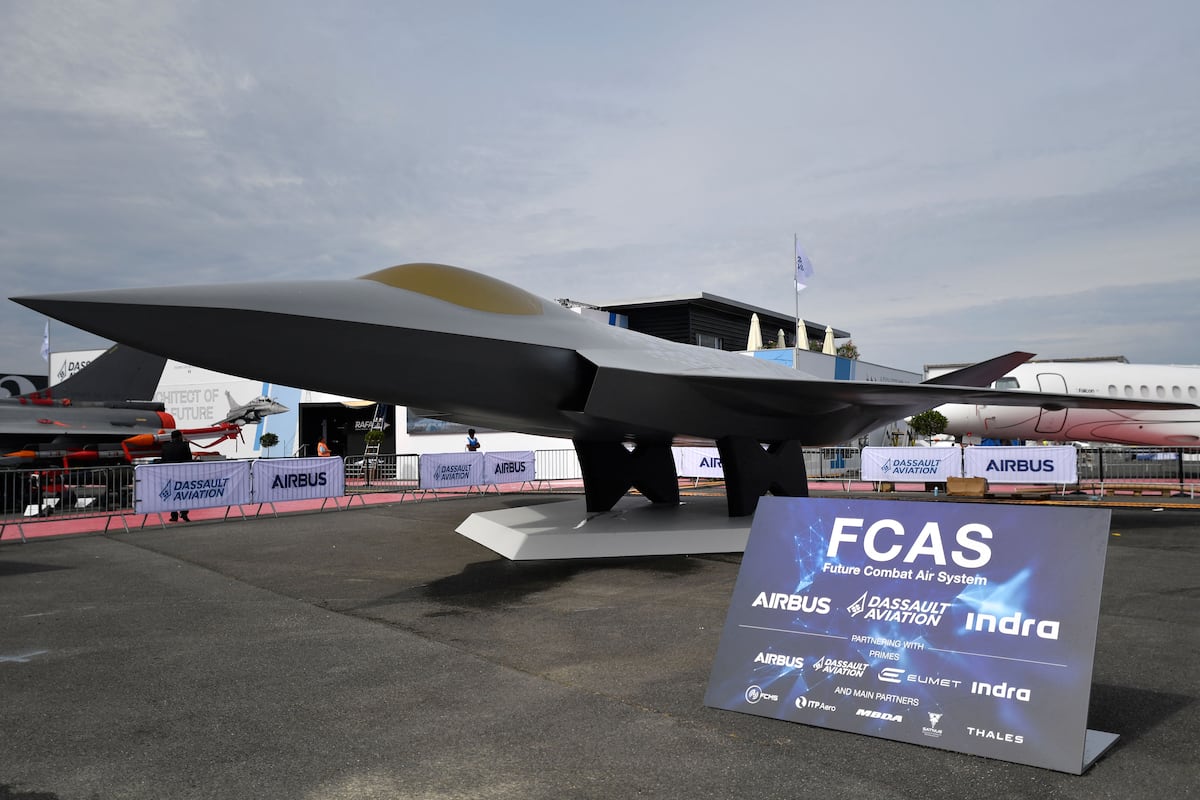
In a bid to secure a foothold in the rapidly evolving sphere of sixth-generation combat aircraft, India has initiated dialogues with France to join its Future Combat Air System (FCAS) initiative. This move underscores India’s ambition to engage with cutting-edge air combat technologies that will define future military capabilities.
Recently, India’s Defense Ministry informed the parliament about its concerted efforts to become part of such a pioneering project. Earlier this year, the ministry had expressed India’s intention to collaborate with one of two consortia developing next-generation fighters. These consortia include one comprising France, Germany, and Spain, and another involving the UK, Italy, and Japan.
In a significant development in June, France and Germany decided to withdraw from their joint fighter jet endeavor, thereby presenting Paris with the opportunity to seek new partnerships. This realignment opens doors for enhanced collaboration between India and France.
India’s pursuit of this partnership is fueled by a need to close the gap in crucial fighter jet technologies, particularly in engine development, while also boosting its air force capabilities. Currently, India’s most sophisticated aircraft are the 4.5-generation French Rafales, and the country is also working on developing a domestic multirole fifth-generation fighter, aiming for a prototype flight in the latter part of this decade.
The next-generation aircraft are anticipated to transcend the stealth and advanced radar technologies of their predecessors, incorporating an integrated system of a core fighter and drones, powered by a “combat cloud.” Analysts suggest that India’s collaboration with France may provide access to the sophisticated technologies necessary to leapfrog into sixth-generation capabilities.
“India still has to transition to fifth-generation technologies so it would be good to make a parallel start on a sixth generation program to bridge the serious gap we face. That is why it is a good idea to get in with a grouping or a consortia working on the next generation fighter,” commented retired Air Marshal Anil Chopra to Defense News. “And some of the sixth-generation technologies that we may acquire might also be helpful as we develop our fifth generation program.”
A parliamentary committee report presented on August 9 advocated for the acceleration of plans to develop and acquire sixth-generation aircraft, emphasizing the enhancement of India’s air defense capabilities. Analysts highlight that the swift pace of China’s air modernization serves as a strategic motivator for India’s endeavors in next-generation jet development.
“It has been a perpetual problem in Indian defense policy that India tends to lag almost one or two cycles behind what others are doing. But that space is no longer available given how rapidly air power is evolving and how quickly China is developing its capabilities,” noted Harsh Pant, vice president of studies at the Observer Research Foundation in New Delhi.
The ongoing discussions with France are expected to address aspects such as industrial participation, design and development roles, and access to intellectual property. “At the moment India is engaged in exploratory discussions with France. We will want industrial workshare, but engine and radar technologies will have to come from French companies. So talks will center on what technology will be offered to India. France seems to be more open to sharing technology,” stated Air Marshal Chopra.
India’s defense relationship with France is long-standing, particularly in aerospace. The Indian Air Force currently operates French Rafales, and both nations are negotiating for 114 more Rafale jets, a purchase recently approved by India.
“India needs a trusted partner as it tries to secure a place in the next generation technology cycle before it becomes too difficult or too expensive to catch up, and France is a good fit. It has been willing to engage in defense cooperation with New Delhi without the same political lens or considerations that some other suppliers have,” said Pant.