
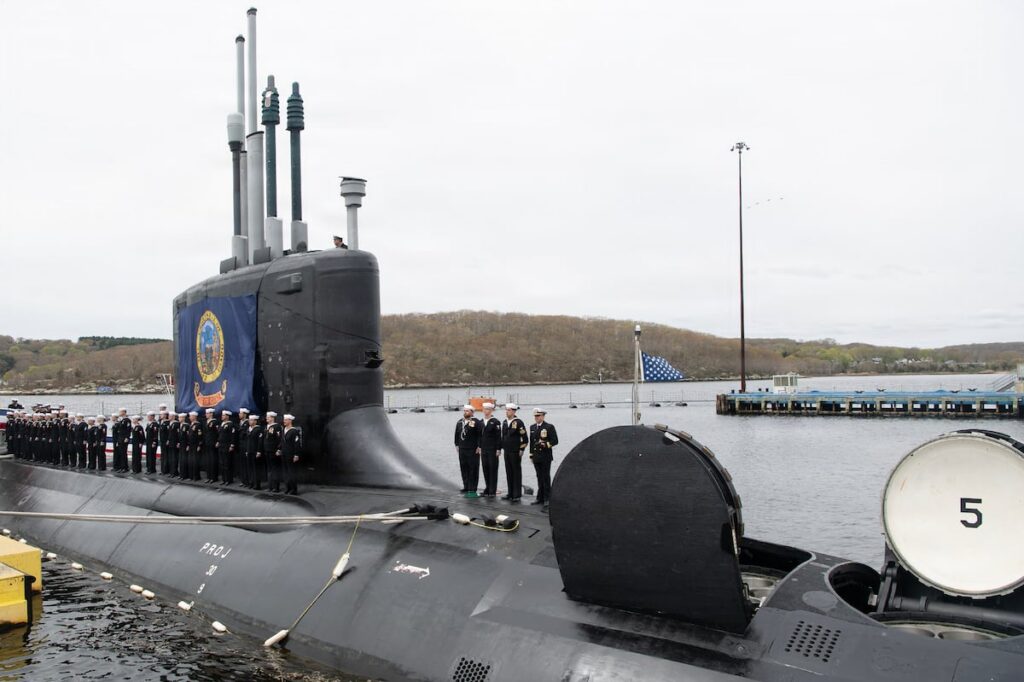
The U.S. Navy has made a significant structural change to how it recognizes and develops one of the most important enlisted leadership roles aboard submarines — and for the sailors who serve in the deep, the shift could reshape career expectations for years to come.
Posts published in “Navy”

Several significant stories are shaping the conversation around America's military community this week — from a tragic training accident to policy debates, financial updates, and new research affecting service members and veterans.

Two stories out of the U.S. military are drawing attention this week — one involving a high-profile death row inmate and another raising questions about parental rights within Army healthcare.

Keeping tabs on what's happening across the U.S. military has never been more important — from health policy debates affecting every service member to unresolved questions about justice, fleet readiness, and the rights of military families.
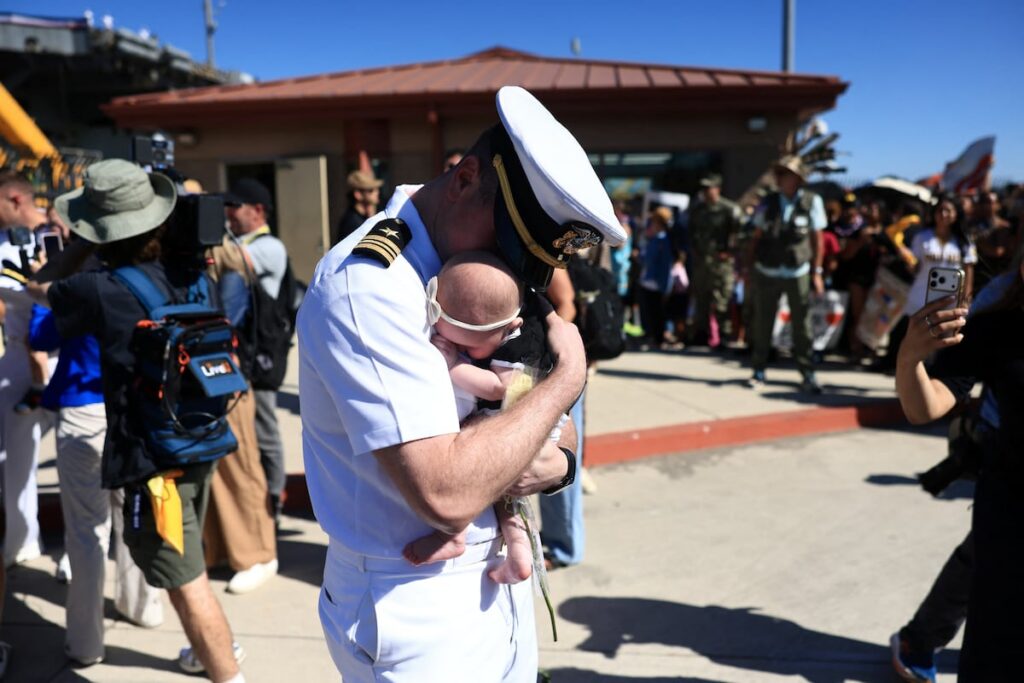
Two stories from the U.S. Navy this week capture the full arc of military service — from the joy of new life waiting at the pier to the long-overdue dignity owed to those who gave everything decades ago.
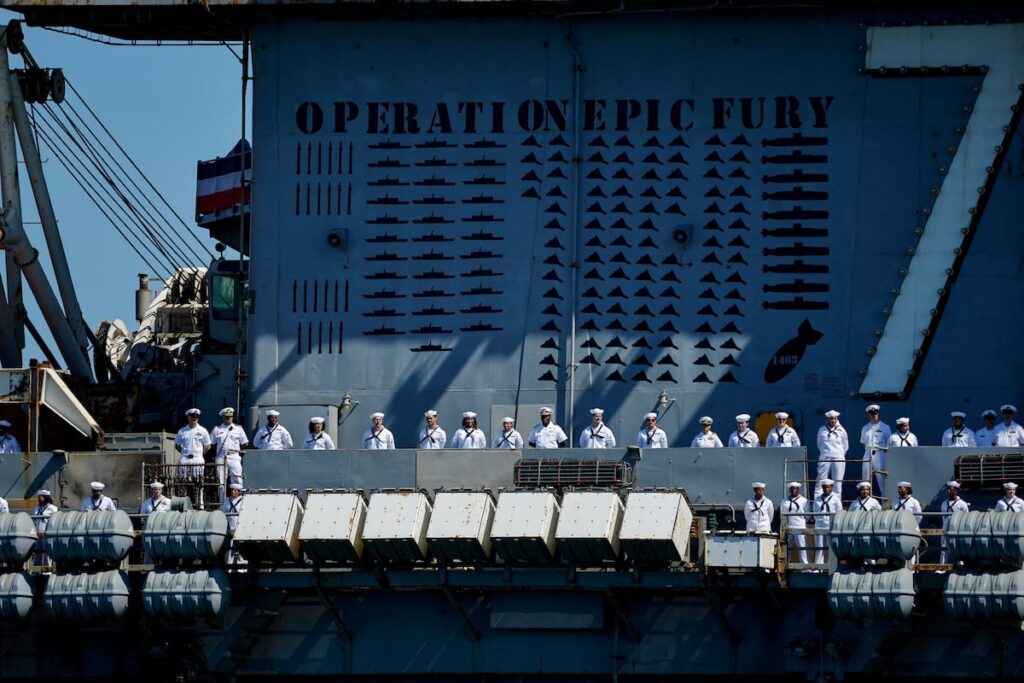
When a Navy aircraft carrier spends nearly a year at sea, the costs don't end when it returns to port. Three recent developments — a record-length deployment, an aircraft mishap at sea, and a stark warning from the Navy's second-highest-ranking admiral — are drawing fresh attention to the strain on America's carrier fleet.
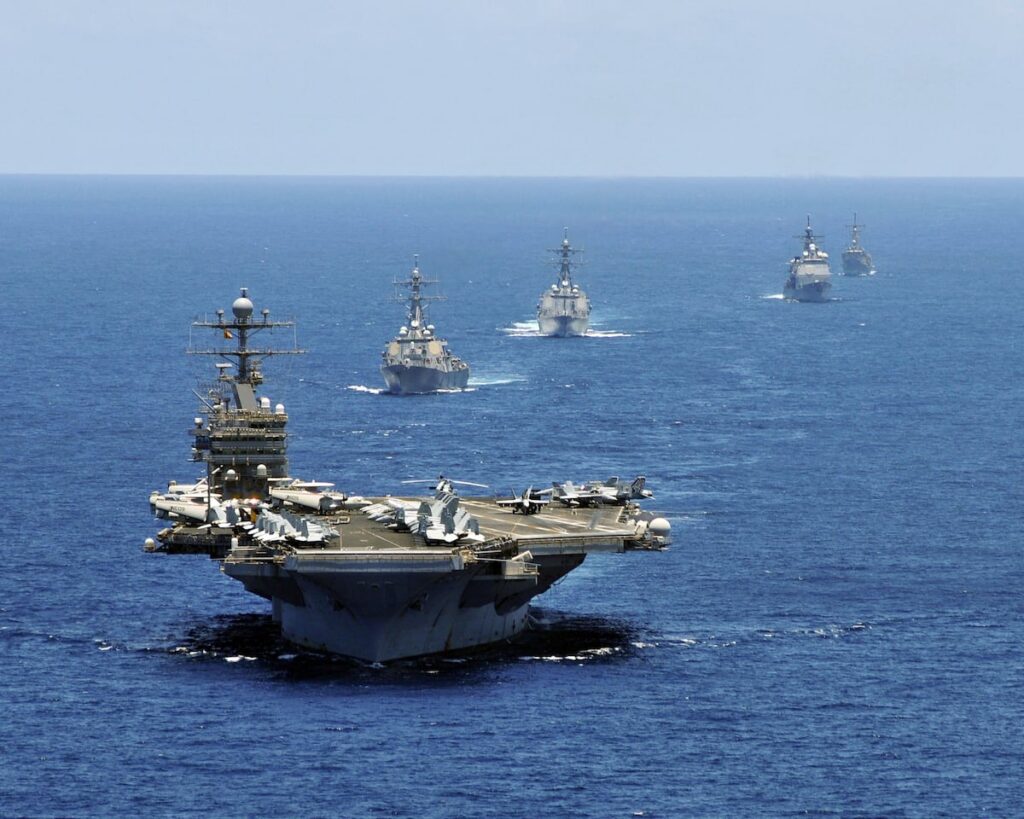
Ten months at sea. More than 300 days away from home. For the 5,000 sailors aboard the USS Abraham Lincoln, the mission that just ended was historic — but the human cost it extracted raises urgent questions about whether America's military healthcare system is equipped to care for the people we ask to carry that burden.
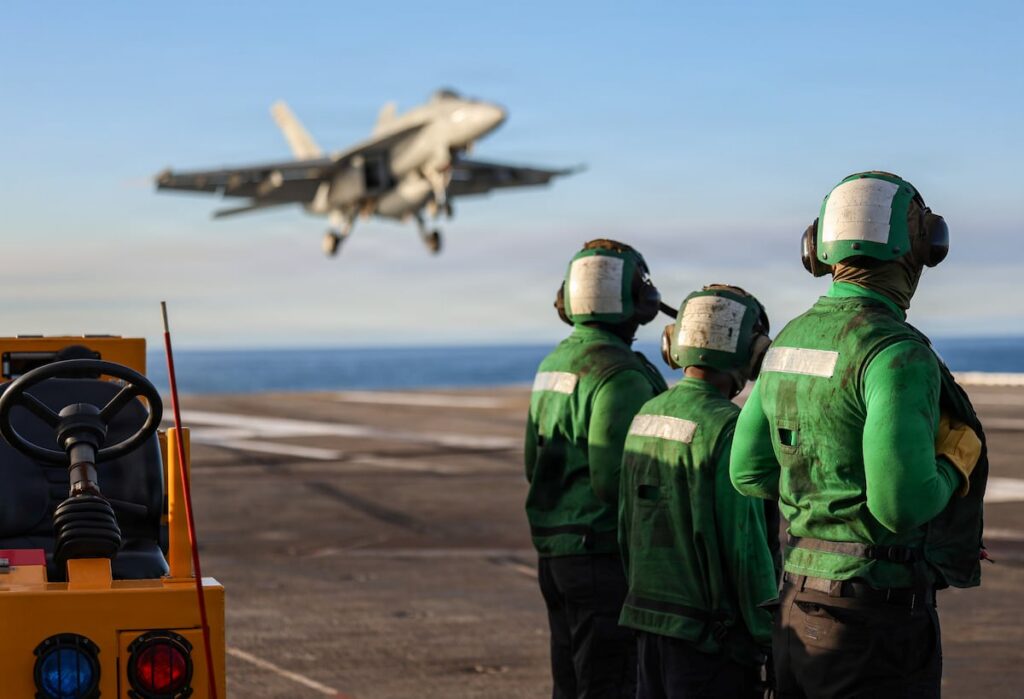
American military operations are making headlines this week, with developments spanning the Pacific and an active naval conflict in the Middle East.
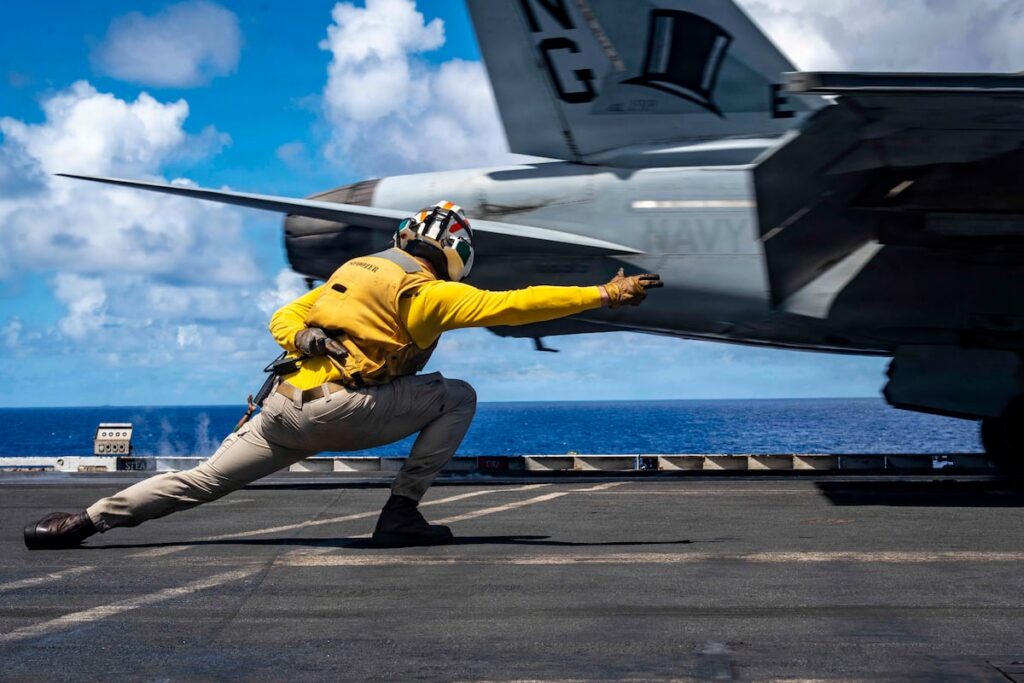
More than 300 days at sea, far from home, far from family — and, for too many sailors aboard the USS Abraham Lincoln, far from the mental health care they desperately needed. The carrier's return to California after a grueling 320-day deployment is a moment of relief, but it also forces a hard question: when the military's psychiatric support system breaks down at sea, who pays the price?
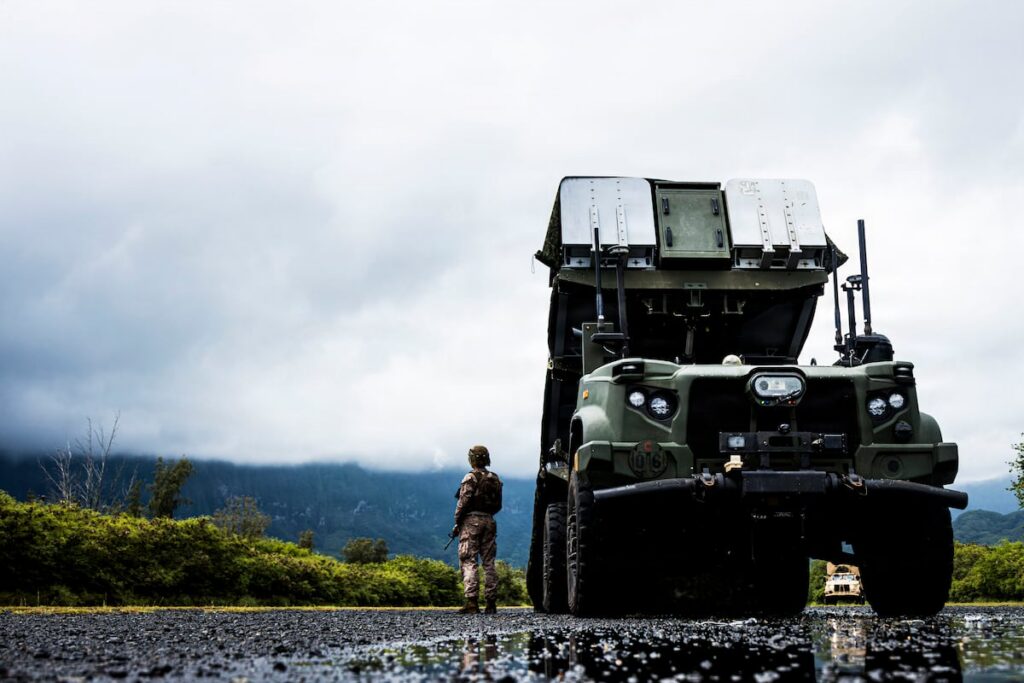
A small Japanese island closer to Taiwan than to Tokyo is about to become the stage for one of the most significant U.S.-Japan military exercises in years. For the first time, the U.S. Marine Corps will bring its most advanced ground-based anti-ship and air-defense systems to Yonaguni Island — a move that underscores just how seriously American and Japanese defense planners are taking the security situation in the western Pacific.