A Sleep Interrupted: The USS Panay Incident
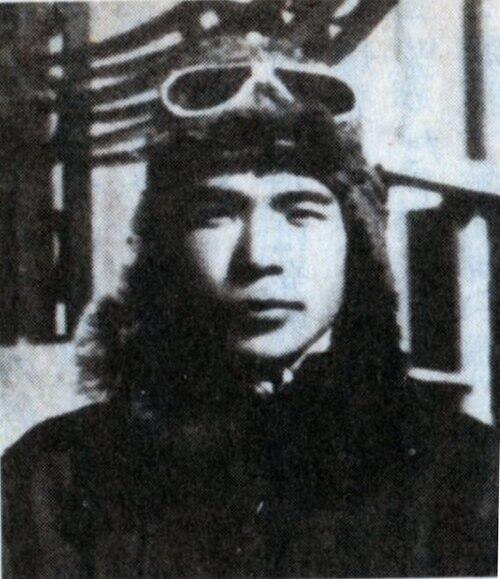
On a seemingly quiet December day in 1937, cameraman Norman Alley found himself abruptly awakened from his nap by the deafening sounds of bombs exploding around the USS Panay. The Universal News cameraman quickly grabbed his camera to document the chaos as Japanese dive bombers attacked the American gunboat on the Yangtze River in China. The attack, taking place four years before the infamous Pearl Harbor strike, left three Americans and an Italian journalist dead, and the Panay sunk. Despite Japan’s immediate claim of error and accident, Alley’s film suggested otherwise.
Escape From Nanjing
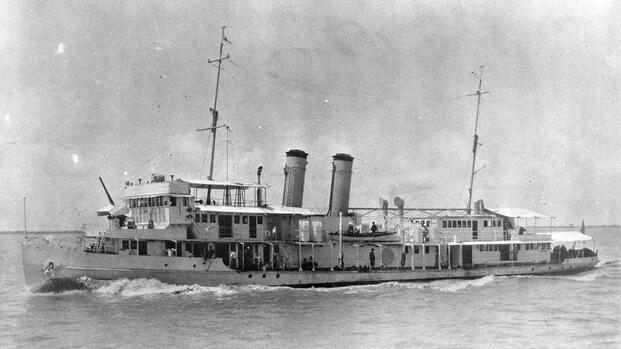
Since its commissioning in 1928, the USS Panay had worked to safeguard American interests along the Yangtze River. As Japanese forces encircled Nanjing in December 1937, the gunboat received orders to evacuate the remaining Americans and other nationals from the city. Among those on board were journalists like Norman Alley and Fox Movietone News cameraman Eric Mayell, who aimed to capture the evacuation on film.
With the mission to escort Standard Oil tankers carrying Chinese refugees, the Panay set off northward. Despite efforts to communicate their position to Japanese forces and display large American flags for visibility, the convoy faced an unexpected assault from Japanese aircraft on December 12.
The Attack on the USS Panay
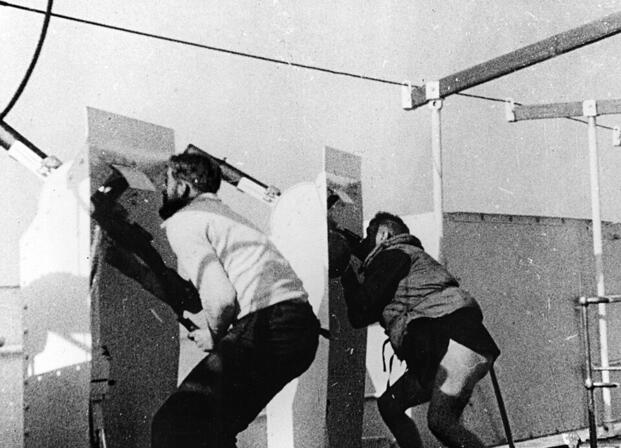
The morning of December 12 saw the Panay stopped for inspection by a Japanese infantry unit. Despite assurances of neutrality, the vessel soon found itself under attack. Japanese bombers struck, with the first hit destroying the gunboat’s forward weaponry and incapacitating the ship.
Efforts by the crew to defend the vessel were in vain, and Lt. Arthur Anders eventually ordered an evacuation. The crew and passengers faced further danger as they attempted to escape in sampans, with Japanese fighters continuing their assault. The attack resulted in significant casualties, including the deaths of two American sailors and the Italian journalist Sandro Sandri.
After the Sinking
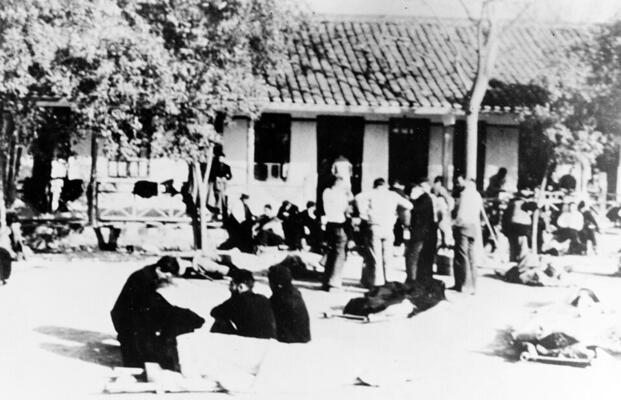
Survivors, exposed to harsh winter conditions, sought refuge along the riverbank. With the help of nearby villagers, they managed to endure the cold nights until British and American gunboats arrived for rescue. The attack had not only devastated the Panay but also the accompanying oil tankers, resulting in further loss of life.
Upon recovery, the crucial film shot by Alley was retrieved and handed to U.S. Navy officials, providing evidence against Japan’s claims of mistaken identity.
The Film Proves Japanese Claims Wrong
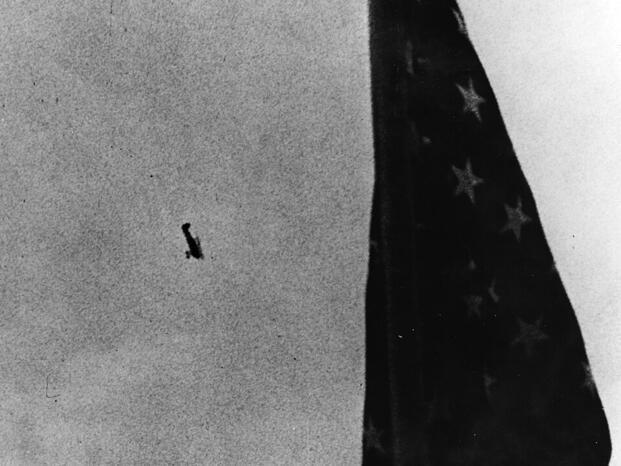
The film footage captured by Norman Alley played a pivotal role in disproving Japanese explanations. Despite Japan’s assertion of poor visibility, Alley’s recordings clearly depicted sunny weather and identifiable American flags on the Panay. The release of this footage to the public incited outrage and shifted American sentiment towards Japan.
While the attack on the Panay was initially perceived as an isolated incident, it was later revealed to be part of a broader strategy by Japanese forces, as hinted by intercepted communications.
The Diplomatic Crisis
Amidst public and diplomatic turmoil, Japan issued a formal apology and monetary compensation, yet continued to claim the attack was an accident. Despite this, the incident fueled discussions regarding U.S. military presence in Asia and led to increased tensions between the two nations.
For many, the attack on the USS Panay was overshadowed by subsequent events leading up to World War II. Yet for those involved, it marked an early indication of rising hostilities between the United States and Japan.
An Overshadowed Event
The attack on the USS Panay served as a precursor to the larger conflict that would soon engulf the world. Despite its significance, the incident remains largely underrecognized in the broader narrative of World War II history, overshadowed by the events at Pearl Harbor.
As the world remembers Pearl Harbor as the start of World War II for the United States, the men aboard the Panay knew that the seeds of conflict had been sown years earlier along the Yangtze River.