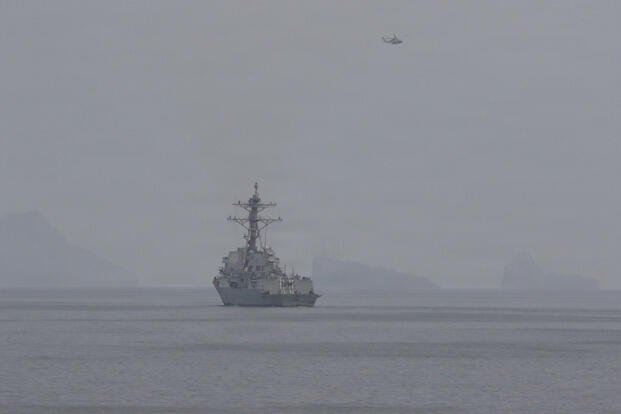
In a tense escalation of U.S.-Iran relations, the Pentagon has declared its readiness to launch strikes on Iran at a moment’s notice, amid a comprehensive naval blockade that has already begun to divert ships from Iranian ports. This development comes on the heels of unsuccessful ceasefire discussions between the two nations, heightening the potential for disruptions in oil supply and broader conflict.
The recent breakdown in U.S.-Iran ceasefire negotiations has paved the way for a precarious standoff, as U.S. forces enforce a blockade aimed at crippling Iran’s oil exports—an action that could rapidly escalate into military strikes if diplomatic solutions fail.
Pentagon’s Stern Warning
Defense Secretary Pete Hegseth, in a recent Pentagon briefing, emphasized the immediacy of the threat, stating, “We are locked and loaded on your critical dual-use infrastructure…and your energy industry,” highlighting the U.S. military’s preparedness to act swiftly. The blockade, while not a direct strike, serves as a significant pressure point that could lead to further military action.
Hegseth’s remarks underscore the strategic focus on Iran’s economic lifelines, as the U.S. seeks to persuade Iranian leaders to engage in negotiations or face potential attacks on crucial infrastructure.
Blockade’s Immediate Impact
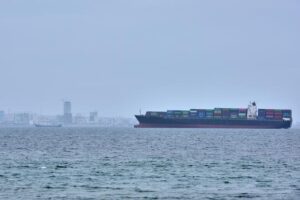
Chairman of the Joint Chiefs of Staff, Gen. Dan Caine, detailed the blockade’s effects, revealing that U.S. naval and aerial units are actively redirecting maritime traffic away from Iran’s ports. “This blockade applies to all ships, regardless of nationality, heading into or from Iranian ports,” Caine stated, emphasizing the extensive reach of the operation.
The blockade’s enforcement, which involves over 10,000 U.S. personnel and numerous ships and aircraft, aims to stifle Iran’s oil exports without direct conflict. The operation also extends into international waters, backed by a robust surveillance network and strike capabilities.
Operational Dynamics and Risks
As the blockade tightens, vessels are turning back without confrontation, with at least 13 ships having reversed course, according to Pentagon reports. U.S. forces are communicating unequivocal warnings to any approaching vessels, threatening interception and possible boarding if instructions to turn back are ignored.

Admiral Bradley Cooper, overseeing U.S. operations in the region, highlighted the readiness of American forces to resume combat operations, describing the current posture as a finely tuned machine. He conveyed the precarious nature of the ceasefire, noting that “the joint force remains postured and ready to resume major combat operations at literally a moment’s notice.”
Global Oil Markets on Edge
The blockade threatens the stability of global oil markets, as the Strait of Hormuz is a crucial conduit for about 20% of the world’s oil supply. U.S. officials maintain that the blockade is a strategic move to apply pressure on Iran without immediate escalation to strikes, yet the risks of market disruption and conflict escalation are significant.
Defense Secretary Hegseth expressed concerns about the lack of participation from global allies in securing maritime security, despite their reliance on the waterway. Meanwhile, regional partners, including Bahrain and Saudi Arabia, have been pivotal in supporting the operation, strengthening alliances in the face of shared challenges.