The Federal Reserve Considers Interest Rates Amid Stubborn Inflation
As the Federal Reserve faces a crucial decision regarding interest rates in light of persistent inflation, Chairman Kevin Warsh and fellow policymakers are deliberating their next move. Despite a recent decrease in inflation, the Fed remains committed to restoring price stability and alleviating the burden on American households and businesses caused by high inflation.
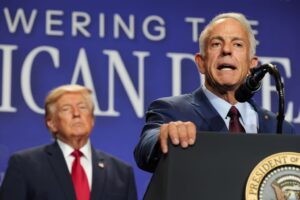
During a recent Senate Banking Committee hearing, Warsh emphasized the committee’s dedication to combatting elevated inflation levels, stating, “The members of our committee have no tolerance for persistently elevated inflation and we share a resolute commitment to restore price stability.”
At the previous Fed meeting in June, indications pointed towards a potential increase in interest rates due to a spike in gasoline prices, driving the annual inflation rate to its highest level in over three years. While inflation eased slightly the following month, there is speculation among investors that the Fed may opt to raise rates to address the ongoing inflation concerns.
Impact of Interest Rates on the Job Market
The decision regarding interest rates is critical as it directly influences the job market. Higher interest rates typically hinder job growth, whereas lower rates can stimulate hiring. Last year, the Fed made three interest rate cuts to address weaknesses in the job market, but recent improvements have been observed this spring.
Warsh highlighted the stability of America’s labor force, noting that job creation has aligned with workforce growth. Additionally, the unemployment rate has remained consistently low over the past year, indicating a positive trend in the job market.
Role of Artificial Intelligence in Economic Outlook
Another significant factor shaping the economy is the substantial investment in artificial intelligence (AI) by tech companies, which has contributed to economic stability and stock market growth. Despite optimism about AI’s potential to enhance productivity, concerns persist regarding its impact on workers.
Warsh expressed optimism about AI’s long-term benefits, anticipating improvements in real wages and full employment. However, uncertainties remain about the short-term disruptions that AI advancements may bring, particularly in terms of rising costs for building materials, electricity, and computer chips.
Warsh established task forces, comprising external economists and business leaders, to advise the Fed on various issues, including the implications of AI. These task forces are expected to provide recommendations by the end of the year to guide the central bank’s decision-making process.
Copyright 2026 NPR