North Carolina Senate Race: Health Care Costs at the Forefront
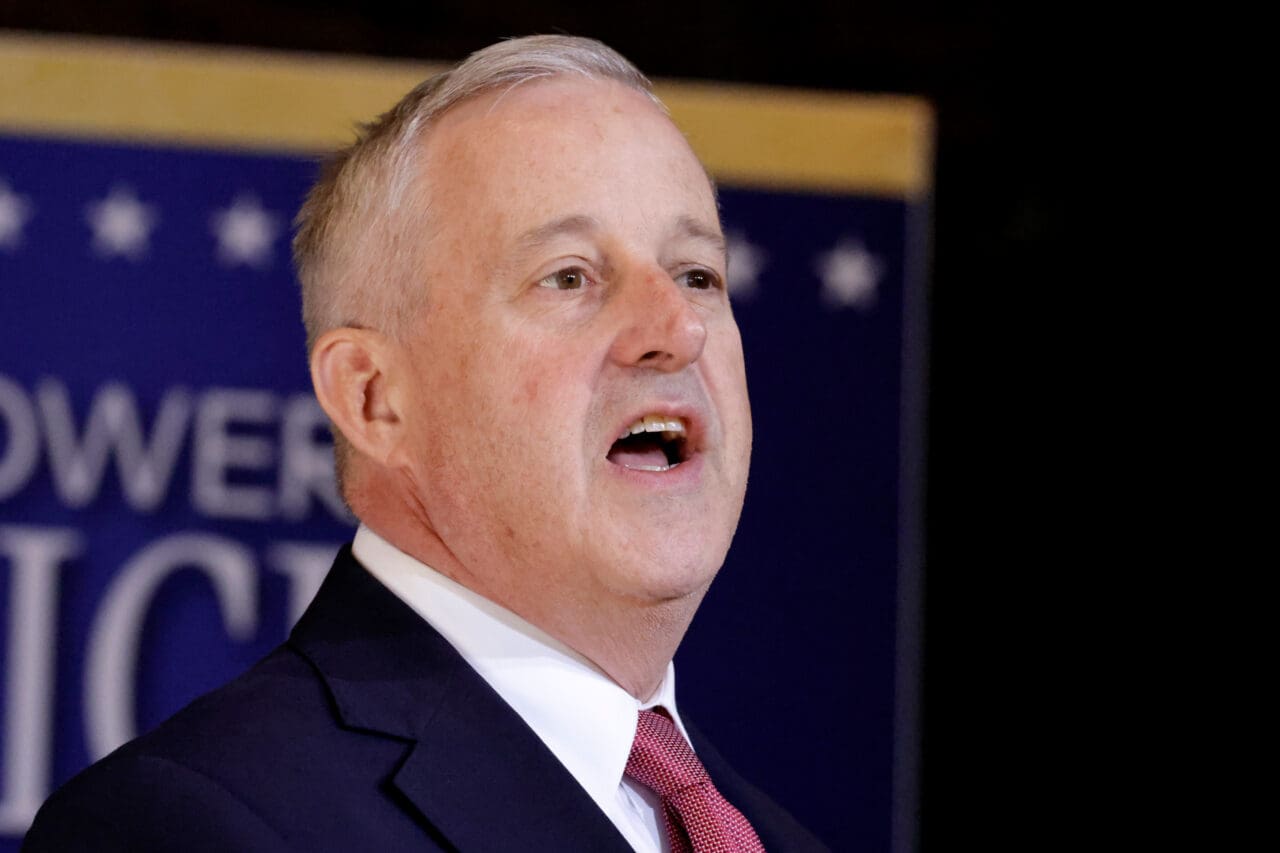
As North Carolina’s U.S. Senate race heats up, health care costs have emerged as a pivotal issue between candidates Republican Michael Whatley and Democrat Roy Cooper. The contest holds significant weight as it could shift the balance of power in the Senate.
Michael Whatley has repeatedly claimed, including in an interview with Breitbart News and at the Republican midterm convention in Dallas, Texas, that during Cooper’s governorship, health insurance premiums in North Carolina surged by 183%. “Under Roy Cooper’s reign, North Carolina became the most expensive state in the nation for health care costs,” Whatley asserted, attributing significant financial strain on families to these alleged increases.
Examining the Data Behind the Claims
Whatley’s claims appear to be rooted in a 2021 Heritage Foundation analysis, which noted a 183% increase in premiums from 2013 to 2019. However, this period largely spans Republican Gov. Pat McCrory’s tenure, with Cooper assuming office in 2017. In fact, data from the Centers for Medicare & Medicaid Services (CMS) indicates that North Carolina actually saw a 12% decrease in average premiums during Cooper’s time in office, marking one of the most significant reductions nationwide from 2017 to 2024.
Controversial Cost Rankings
In addition to premium increases, Whatley suggested that North Carolina topped the nation in health care costs. However, this assertion was challenged by a January 2025 Forbes study, later removed from its website, which was criticized for its reliance on employer-sponsored insurance data. Ascendient Healthcare and Republican state treasurer Brad Briner expressed doubts about the study’s methodology and implications, highlighting potential flaws in its conclusions.
Voter Concerns and the Election
Health care affordability remains a pressing issue for voters. An April KFF tracking poll underscored the significance of health care costs in influencing electoral decisions, with nearly nine in 10 voters considering it a top concern. As the November elections approach, how each candidate addresses these concerns could be decisive in swaying voter sentiment.