Residents Engage Michigan Republicans in Environmental Concerns Discussion
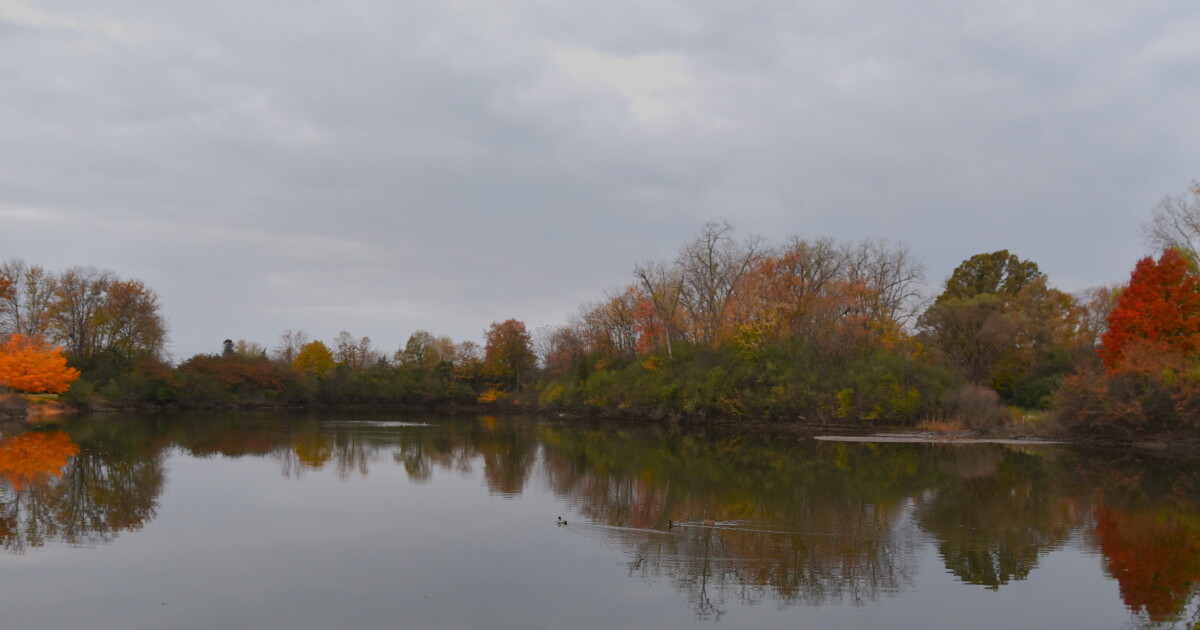
Residents in St. Clair Shores, Michigan, highlighted their environmental worries during a recent community event with Michigan Republicans. The focus of the conversation revolved around Lake St. Clair, a vital drinking water source for many Michigan communities, with pollution, invasive species, and sewer overflow ranking high on the list of concerns.
Republican gubernatorial nominee John James expressed his commitment to addressing the issue if elected, stating, “It is otherworldly to force the best people in the world, Michiganders, to drink from a toilet bowl. Lake St. Clair is a treasure. It is a crown jewel of Michigan. We’re going to start treating it that way.”
Various ideas were discussed to fund the necessary work, including reallocating state spending and increasing contributions from bottled water companies that use Great Lakes resources. Macomb County, home to multiple sewer flow outfalls, has already taken steps to reduce wastewater entering the lake, as noted by Public Works Commissioner Candice Miller.
Miller pointed out ongoing construction projects as evidence of efforts to improve the situation, emphasizing the removal of toxic algae species and attributing some of the pollution issues to waste from Oakland County.
Local resident Mike Gutow, who leads the group Save Lake St. Clair, expressed appreciation for James’ support, highlighting the importance of acknowledging and addressing environmental problems to drive positive change.
The policymakers stressed the need for the state to play a more significant role in tackling waterway and wetland challenges without expanding the government’s size but by enhancing efficiency. State Rep. Jay DeBoyer cited the management of phragmites, also known as the common reed, as an area that requires more attention to prevent its overgrowth in marshes.
On the environmental front, Democratic nominee Jocelyn Benson and her running mate, Senate Majority Leader Winnie Brinks, aim to replace aging pipelines and enforce stricter regulations on polluters to safeguard water resources, offering an alternative approach to environmental conservation in Michigan.