Michigan Democratic Senate Primary: A Battle of Strategy and Ideals
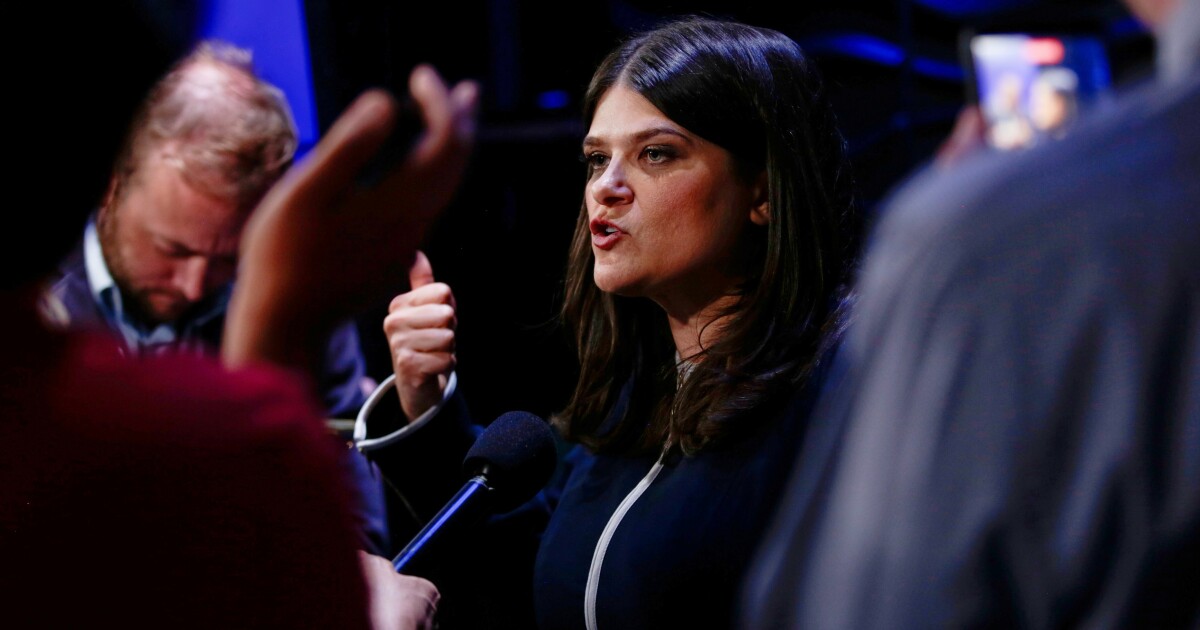
As Michigan’s Democratic Senate primary approaches, U.S. Rep. Haley Stevens and progressive Abdul El-Sayed are vying for the spotlight. Stevens, known for her track record in winning tough races, emphasizes electability, while El-Sayed champions bold policy proposals and rejects corporate PAC money.
The Electability Argument
Stevens has garnered support from influential Democrats like Senate leader Chuck Schumer and former Sen. Debbie Stabenow, who believe she offers the best chance against the Republican candidate, Mike Rogers. They argue that Stevens’ history of flipping a Republican-held House seat and her ability to win tough races make her a formidable contender.
On the other hand, El-Sayed’s surge in popularity is fueled by his rejection of running towards the middle. Supporters like Dave Burdick believe that Democrats need a candidate who can bring about real change and resonate with voters on a deeper level.
A Campaign Style Contrast
Stevens’ campaign style focuses on retail politics, engaging with voters in small venues like local businesses and union halls. While she may lack the viral moments that El-Sayed has, her allies argue that her personalized approach resonates with Michigan voters.
El-Sayed, in contrast, has drawn crowds with his bold policy proposals and high-profile endorsements. His rejection of corporate PAC money and advocacy for progressive ideals have captured the attention of many voters.
Michigan’s Populist Streak
El-Sayed’s platform of Medicare for All, campaign finance reform, and other progressive policies has raised concerns among Democratic leaders in Washington, who view Michigan as a moderate state centered on manufacturing. However, Michigan has a history of rewarding candidates who challenge the political establishment.
In a state where both Bernie Sanders and Donald Trump found success by appealing to voters’ frustrations, El-Sayed’s outsider status could be an asset rather than a liability. His message of change and challenging the status quo may strike a chord with Michigan’s electorate.
As the primary nears, Michigan Democrats face a choice between electability and ideology. Whether they prioritize winning tough races or pushing for bold policy changes will determine the outcome of this closely watched race.
In a recent development in Michigan’s political landscape, state Sen. Mallory McMorrow has suspended her campaign, significantly altering the dynamics of the upcoming Democratic primary. This move has prompted establishment Democrats to rally behind candidate Haley Stevens, with notable endorsements from Democratic group EMILY’s List and Attorney General Dana Nessel.
Stevens, who has a track record of winning competitive races and resonating with voters on a personal level, has garnered support from key players in the political arena. On the other hand, Abdul El-Sayed has secured backing from influential labor groups like the United Auto Workers, showcasing a diverse range of support within the Democratic party.
Despite the shifting allegiances and endorsements, Fems for Dems, a prominent grassroots organization in Michigan, has opted not to endorse a candidate in the primary. However, the group’s founder, Lori Goldman, expressed her personal support for El-Sayed, emphasizing the need for candidates who will advocate for change and fight for the people’s interests.
Goldman, reflecting on the evolving political landscape, highlighted a departure from traditional party lines and a growing demand for transformative leadership. She emphasized the importance of voting for candidates who prioritize the concerns of the electorate and are committed to enacting meaningful change.
As Michigan gears up for a closely contested Democratic primary, the race between Haley Stevens and Abdul El-Sayed is poised to shape the future of the state’s political landscape. With a renewed emphasis on progressive values and a departure from conventional political norms, voters are presented with a choice that could redefine the trajectory of Michigan’s political future.