Michigan Voters Can Change Their Absentee Ballots Ahead of 2026 Primary Election
As Michigan’s 2026 primary election approaches on Aug. 4, voters are facing a unique situation due to candidates dropping out after the ballots were finalized. Three candidates for statewide office have ended their campaigns, leaving some voters wondering how to change their absentee ballots if they have already cast their vote.
Michigan Deputy Secretary of State Aghogho Edevbie recently addressed these concerns in an interview with Morning Edition host Doug Tribou. One of the key questions raised was what voters can do if they want to switch their choice after a candidate has withdrawn from the race.
Edevbie explained that voters who have already submitted their absentee ballots can request to spoil their vote and receive a fresh ballot to cast a new vote. By contacting their local clerk and submitting a written request, voters can ensure that their updated choice is counted in the upcoming primary election.
Changing Party Ballots and Voting Options
Regarding the ability to switch party ballots, Edevbie clarified that Michigan’s state primaries consist of a single ballot with Republican and Democratic options. Voters must choose one side of the ballot to participate in their preferred party’s primary.
Furthermore, voters have the flexibility to change their entire ballot, including decisions on other races, millages, and ballot questions. Edevbie emphasized that the voting process is confidential, allowing individuals to modify their selections freely within the chosen primary.
Ensuring Ballot Integrity and Candidate Selection
To maintain the integrity of the voting process, clerks utilize the Qualified Voter File (QVF) system to track issued and spoiled ballots. When a ballot is spoiled, the corresponding ballot number is voided in the system, preventing multiple votes from being counted for the same individual.
Despite candidates withdrawing from the race, Edevbie noted that votes cast for them can still contribute to their potential victory if their name remains on the ballot. However, candidates have the discretion to decline taking office even if elected, triggering specific protocols in such scenarios.
Early Voting Options and Preparation
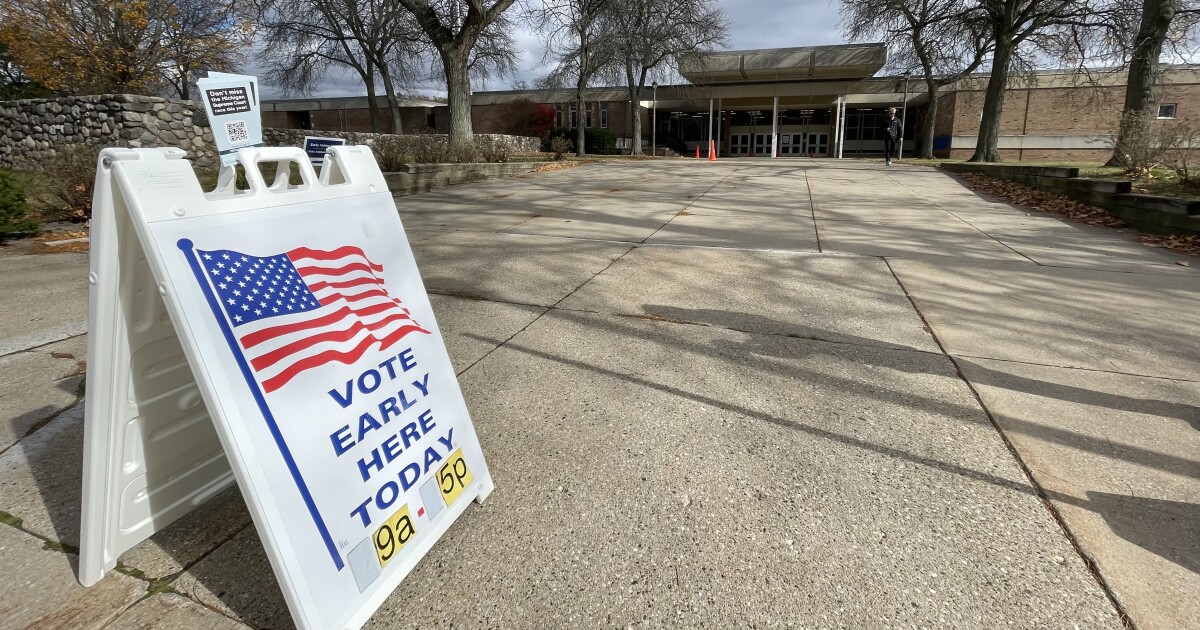
With the mandatory early in-person voting period set to commence in Michigan, Edevbie highlighted that the primary’s early voting phase starts on July 25. This option, introduced in 2024, offers voters the opportunity to cast their ballots ahead of the official election day.
Edevbie advised voters to check the official website for early voting locations, as the polling sites may differ from the usual election day venues. This early voting period aims to accommodate voters’ preferences and streamline the voting process for the upcoming primary election.
Original News Article:
Article Title: Study Finds Link Between Social Media Use and Mental Health Issues
A recent study conducted by researchers at a leading university has found a concerning link between social media use and mental health issues. The study, published in the Journal of Psychological Research, surveyed over 1,000 participants aged 18-35 and found that those who reported spending more time on social media platforms also reported higher levels of anxiety, depression, and feelings of loneliness.
Lead researcher Dr. Smith stated, “Our findings suggest that there is a significant relationship between social media use and poor mental health outcomes. The constant exposure to curated and often unrealistic representations of others’ lives on social media can lead to feelings of inadequacy and a distorted sense of reality.”
The study also found that participants who engaged in social media use for more than two hours per day were significantly more likely to experience mental health issues compared to those who spent less time on these platforms. Additionally, individuals who reported comparing themselves to others frequently on social media were at a higher risk of developing anxiety and depression.
These findings highlight the need for further research into the impact of social media on mental health and the importance of promoting healthy digital habits among users, especially young adults who are more vulnerable to these negative effects.
New Article:
Article Title: Research Reveals Connection Between Social Media Activity and Mental Well-being
In a recent study published in the Journal of Psychological Research, researchers have uncovered a noteworthy association between social media usage and mental health concerns. The study, which involved over 1,000 participants aged 18-35, indicated a correlation between increased social media engagement and higher levels of anxiety, depression, and feelings of isolation.
According to Dr. Smith, the lead researcher of the study, “Our results suggest a significant link between social media use and negative mental health outcomes. The constant exposure to idealized portrayals of others’ lives on social media may contribute to feelings of inadequacy and a distorted perception of reality.”
Furthermore, the study revealed that individuals spending more than two hours daily on social media platforms were at a heightened risk of experiencing mental health issues compared to those with lower usage. Notably, participants who frequently engaged in social comparisons online were more prone to developing anxiety and depression.
These findings underscore the importance of exploring the impact of social media on mental well-being and advocating for healthy digital behaviors, particularly among young adults who are susceptible to these adverse consequences.