The Michigan 35th Senate District Special Election: A Crucial Race for Lansing
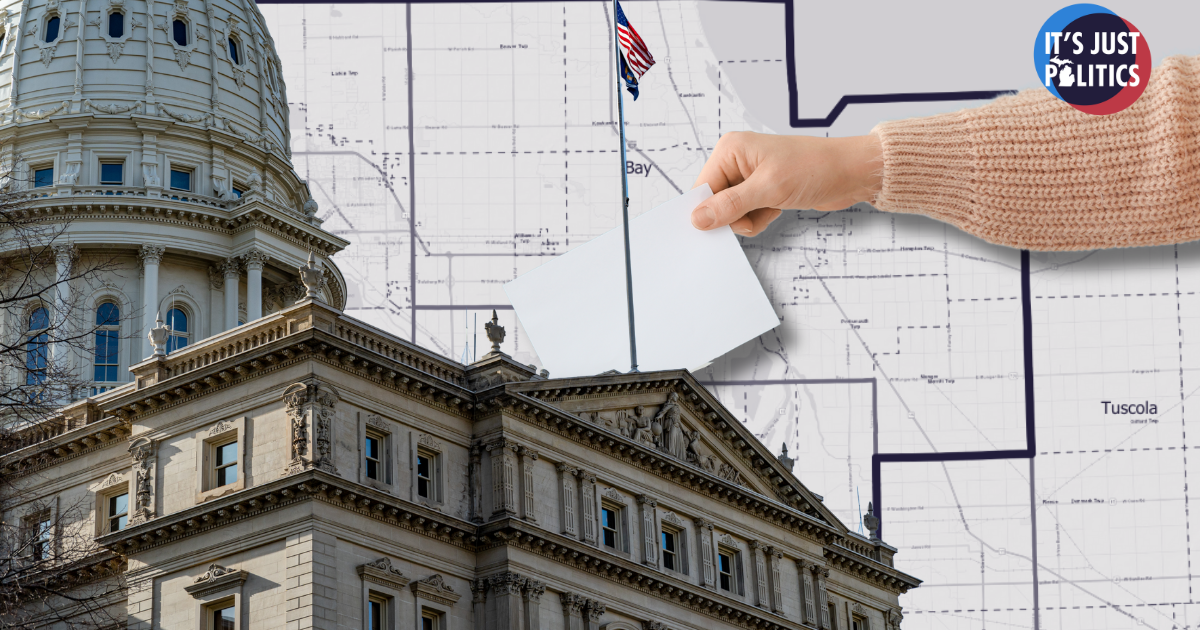
Voters in Michigan’s 35th state Senate District are gearing up for a pivotal primary election set to shape Lansing’s political landscape. The special election scheduled for Tuesday is not just about filling a vacant seat but could have far-reaching implications for the state’s governance. Let’s delve into the critical factors at play in this closely watched race.
Key Political Dynamics at Play
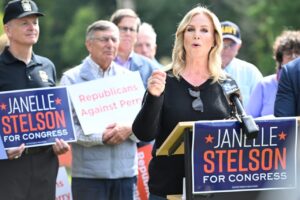
The Democrats currently hold a tenuous majority in the Senate, with a delicate 19-18 split. The vacant seat, left by former Senator Kristen McDonald Rivet, has heightened the stakes. Governor Gretchen Whitmer’s delayed decision to call the special election sparked controversy, drawing criticism from Republicans and even prompting public pressure from within her own party.
The outcome of this election is crucial as it could determine the balance of power in Lansing and influence policy decisions in the upcoming legislative sessions. The significance of defending an incumbent seat versus an open one adds to the political gravity of this race.
Geopolitical Significance
The 35th District encompasses a diverse demographic, making it a true swing seat. Saginaw County, a pivotal region within the district, has historically mirrored statewide voting trends. With Midland’s GOP stronghold and Bay County’s Democratic leanings, the district represents a microcosm of Michigan’s political landscape.
Top Issues and Campaign Focus
Affordability has taken center stage in both the Democratic and Republican primaries, with candidates addressing cost-of-living concerns. Republicans are advocating for property tax reforms and fostering a business-friendly environment, while Democrats are emphasizing education, literacy, and countering extremist narratives.
Looking Ahead
As voters head to the polls for the primary, it’s essential to remember that this special election is just the beginning. The winners will proceed to a general election in May to complete McDonald Rivet’s term until 2026. However, the race doesn’t end there, with another primary in August and a general election in November for a full four-year term starting in 2027.
Michigan’s 35th Senate District special election is not just a local affair but a bellwether for the state’s political landscape and governance. Stay tuned for more updates on this crucial race.
Find more information about Michigan’s 35th Senate District here.
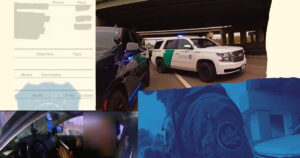
In a recent development in Michigan’s political landscape, Senators Gary Peters and Elissa Slotkin are urging Secretary of Homeland Security Kristi Noem to testify before the Senate Homeland Security and Governmental Affairs Committee next month. The call comes in the wake of fatal shootings of two American citizens by federal immigration agents in Minneapolis, prompting demands for Noem’s resignation or removal. Peters and Slotkin issued a joint statement expressing concerns about Noem’s actions, citing their impact on the Department’s credibility, public safety, and national unity.
On a different note, businessman Perry Johnson has thrown his hat into the ring once again in the Republican primary for governor. Johnson, who previously ran for governor in 2022 but faced ballot disqualification due to invalid voter signatures, is focusing his campaign on government efficiency and fiscal discipline. He aims to phase out Michigan’s 4.25% income tax, which generates over $13 billion in annual state revenue. Johnson, known for his previous long-shot presidential bid in 2024, has pledged to invest $9 million of his own money in the upcoming campaign.
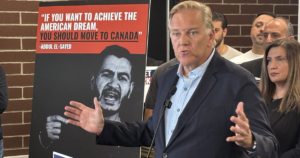
Shifting gears to the 2026 U.S. Senate race in Michigan, new polling data reveals that State Senator Mallory McMorrow is leading the pack among Democratic candidates. The survey indicates that McMorrow holds 22% support, followed by U.S. Rep. Haley Stevens at 17% and Physician Abdul El-Sayed at 16%. With a significant portion of voters undecided ahead of the August primary, the race remains open. In head-to-head matchups against Republican candidate and former U.S. Rep. Mike Rogers, McMorrow leads with 46% support, Stevens with 47%, and El-Sayed in a tie with Rogers at 43%.
These political developments underscore the dynamic and competitive landscape shaping Michigan’s upcoming elections. As candidates gear up their campaigns and navigate key issues, the stage is set for a closely watched race with implications for the state’s future direction. Stay tuned for more updates on Michigan’s political scene.