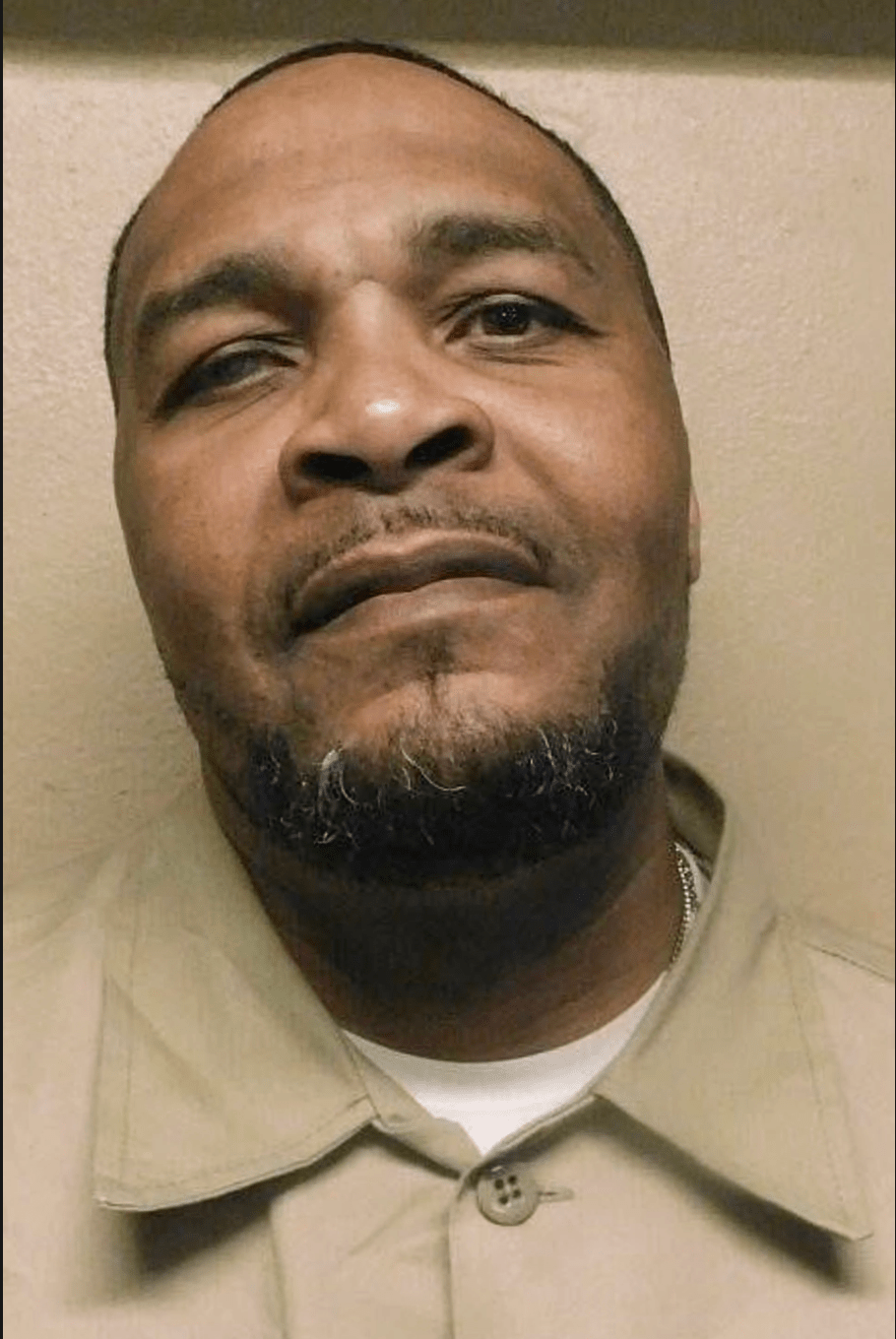
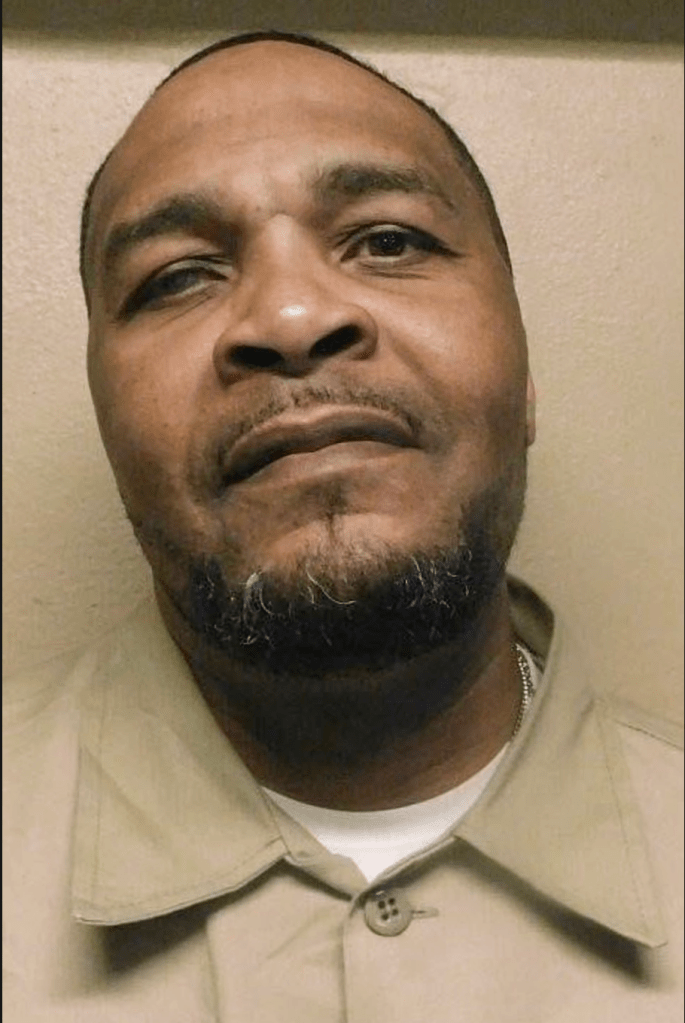
Alabama braces for a significant legal and ethical moment as Jeffery Lee faces execution at the hands of the state. This controversial event follows a history of courtroom decisions and public debate.
According to AP, Jeffery Lee’s execution is scheduled for 6 p.m. on Thursday at the William C. Holman Correctional Facility via lethal injection. Lee was convicted in 2000 for the murders of Jimmy Ellis, a well-known Elvis impersonator, and Elaine Thompson at Ellis’s pawn shop.
Although the jury recommended life imprisonment without parole by a 7-5 vote, the judge overrode this decision, sentencing Lee to death.
Lee has been on death row for 26 years and initially chose nitrogen gas as his method of execution in 2018, even before the state had the capacity for such a procedure.
NBC News reports that Alabama’s use of nitrogen gas in executions has sparked controversy since its adoption in 2024. The state has carried out seven executions using this method, with witnesses describing the process as distressing. The family of Kenneth Smith, the first person executed with nitrogen gas, reported it took 15 minutes longer than anticipated.
“It was the awfullest thing I’ve ever seen in my whole life,” Steven Tiggleman, Smith’s son, commented. “You got a scuba mask strapped to your face, and they’re suffocating you to death.”
Due to these concerns, Lee filed a lawsuit against the state, arguing that nitrogen gas causes “conscious suffocation” and is “cruel and unusual because it superadds terror and pain during the execution.” Multiple courts, including district and appeals courts, sided with Lee.
The 11th U.S. Circuit Court of Appeals ruled that nitrogen gas executions likely violate the Eighth Amendment’s prohibition of cruel and unusual punishment. Alabama’s appeal to the Supreme Court resulted in a 6-3 ruling upholding the lower courts’ decisions, delaying Lee’s execution from its original date of June 11.
Protesters gathered at the Alabama Capitol on Tuesday with signs stating “HONOR THE JURY.” The ACLU has also advocated for clemency for Lee. Although Alabama Gov. Kay Ivey banned judicial overrides in 2017, the rule does not apply retroactively to individuals like Lee. The ACLU argues for clemency for those in similar situations.
“If we’ve made a determination as a state that this is the law going forward, it’s only appropriate and fair and just to apply that same law to the people that are currently on death row with those verdicts,” Alison Mollman, legal director for the ACLU of Alabama, told WHNT.
Despite these efforts, an Ivey spokesperson indicated no clemency plans for Lee. On death row, Lee has embraced Christianity and expressed remorse, accepting his fate.
“I don’t fear dying, and nothing like that, because I know where I would be,” Lee stated in an interview, referring to heaven.
SEE ALSO:
Supreme Court Blocks Alabama Execution Of Black Man Using Nitrogen Gas
Alabama Governor Commutes Sentence Of Black Man 2 Days Before Execution