Arizona Residents Increasingly Carrying Identification Amid Federal Immigration Crackdown
In the early hours of the morning, Raul Piña and his Rottweiler, Beau, embark on their daily walk in Buckeye, Arizona. As part of this routine, Piña now ensures he carries his passport card and ID, a precaution prompted by recent changes in immigration enforcement.
Piña, a U.S. citizen and Air Force veteran, has joined many Arizonans in adapting to heightened scrutiny by carrying additional forms of identification. The increased presence of Immigration and Customs Enforcement (ICE) in Phoenix, described in reports, has prompted this shift.
Reflecting on his new habit, Piña remarked, “It’s a new practice. It’s just as I’m walking out, and it’s something to think about now, right? Do I have a flashlight, do I have my wallet, do I have my phone? It’s a mental checklist.”
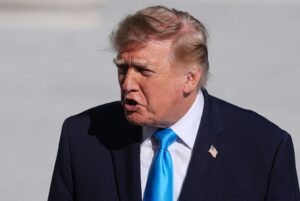
This adjustment comes in response to the Trump administration’s immigration policies, which have intensified fears of deportation even among American citizens. Piña became particularly concerned after witnessing increased ICE raids and the detention of U.S. citizens.
The current atmosphere evokes memories of former Maricopa County Sheriff Joe Arpaio’s era. Arpaio, a staunch supporter of State Bill 1070, implemented policies that allowed law enforcement to demand identification from individuals suspected of being undocumented. Although the Supreme Court blocked parts of the law, the “show me your papers” provision remains, albeit with limitations.
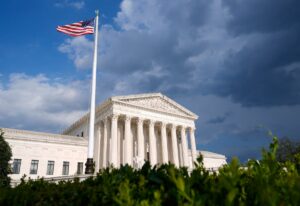
Piña’s concerns are compounded by the 2025 Supreme Court decision in Noem v. Vasquez Perdomo, which permits ICE to consider race and language as factors in immigration stops. Justice Brett Kavanaugh noted, “apparent ethnicity alone cannot furnish reasonable suspicion,” but acknowledged it as a “relevant factor.”
Community activists, like Piña, worry about the implications of these practices. They fear being targeted based on racial or ethnic profiling, despite their citizenship status.
In response, organizations such as No More Deaths have intensified their efforts to educate communities about their rights and provide support during ICE operations. Christy Stewart, associated with the group, conducts Know Your Rights and rapid response training sessions bi-weekly, each attended by 100 participants.
Local Indigenous communities have also felt the impact of federal immigration policies. The detention of a Navajo Nation citizen in Peoria raised concerns, prompting the Navajo Nation and other tribal communities to educate their members about carrying tribal IDs and knowing their rights.
Amidst these developments, individuals like Todd Middleton have taken steps to always carry multiple forms of identification, including tribal IDs, passport cards, and Real IDs. This move follows incidents of ICE detaining individuals, such as a Navajo man, sparking fears of history repeating itself.
Middleton commented on the parallels between current events and historical injustices, stating, “It’s frustrating and sad listening to stories of people detained by ICE. Knowing the history of the Navajo people and the Long Walk, there’s a lot of parallels that can be pointed out between now and then.”
Despite the ongoing challenges, communities continue to adapt by raising awareness and preparing for encounters with immigration authorities. Efforts to protect vulnerable groups and preserve their rights remain a significant focus across Arizona.