In a significant development for Bangladesh’s electoral landscape, the Supreme Court announced on Thursday the reinstatement of the nonpartisan caretaker government system for future national elections. However, this change will not affect the upcoming elections scheduled for early next year.
The caretaker government system, first established in 1996, was initially lauded both domestically and internationally as an essential step towards ensuring fair elections in Bangladesh, a nation with a population of 170 million. This system saw retired chief justices leading nonpartisan interim governments during two elections, with a former central bank governor overseeing the 2008 election.
Controversy led to the dissolution of the caretaker system in 2011, following a court suggestion under the administration of then-Prime Minister Sheikh Hasina. Her critics argued that the move was intended to give her government an undue advantage in subsequent elections. As a result, elections in 2014, 2018, and 2024, which kept Hasina in power, faced criticism over their credibility. The Bangladesh Nationalist Party, led by Hasina’s main political rival, Khaleda Zia, refused to participate in the 2014 and 2024 elections, demanding the return of the caretaker system—demands that Hasina rejected.
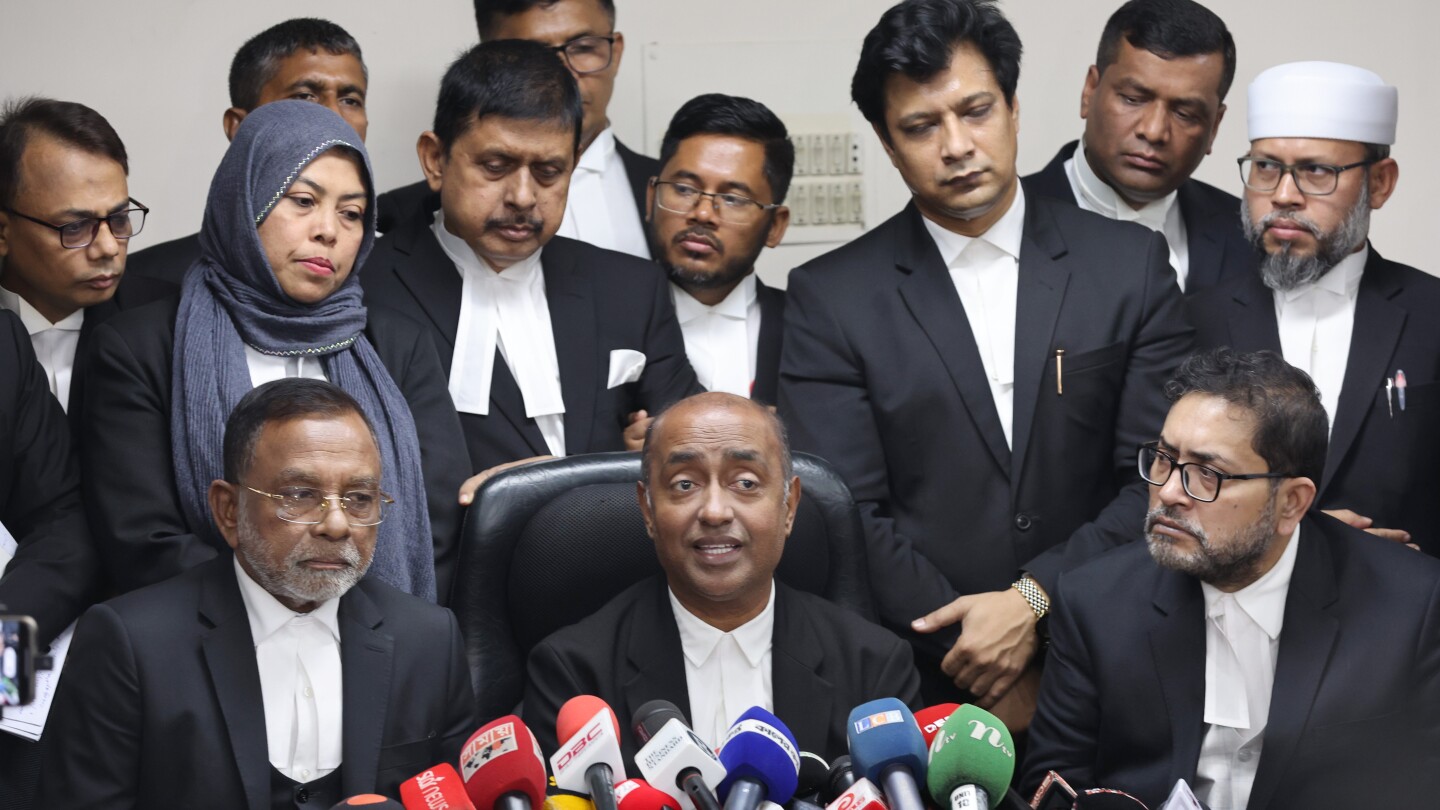
Thursday’s unanimous decision by the seven-member court came after reviewing two appeals and four petitions challenging the 2011 verdict. The court’s ruling dictates that the caretaker government system will be reinstated for the 14th national election, but it will not apply to the 13th election, which will be conducted by an interim government led by Nobel Peace Prize laureate Muhammad Yunus.
Attorney General Mohammed Asaduzzaman praised the ruling, stating, “The caretaker government system has been declared supportive of Bangladesh’s democracy, and this may be elaborated in the full judgment of the court. We believe Bangladesh has now begun its journey on a truly democratic highway.”
The decision was also welcomed by Khaleda Zia’s party. Amir Khasru Mahmud Chowdhury, a prominent member of the party, remarked, “The verdict of restoring the caretaker government system will mark the beginning of a new horizon.”
Muhammad Yunus assumed the role of interim leader following the ousting of Sheikh Hasina on August 5, 2024, during a mass uprising that concluded her 15-year reign. Currently in exile in India, Hasina was sentenced to death on charges of crimes against humanity.
As the nation approaches its next election, analysts suggest Bangladesh could face a challenging path under the leadership of Yunus, as the country stands at a crossroads, navigating its political landscape with the restored caretaker government system.