Within the vivid dance sequences of Ryan Coogler’s Sinners, the presence of the Zaouli mask transforms the atmosphere. The dancer’s rapid footwork under this mask is mesmerizing, merging the human with the supernatural as the upper body remains calm and composed. This is not merely a performance; it is a significant manifestation.
Originating from the Guro communities in central Côte d’Ivoire, Zaouli is renowned for its swift footwork and remarkable control. Yet, focusing solely on its speed overlooks its true essence. The mask embodies more than just aesthetics; it symbolizes a deep connection to beauty, spirit, community, and ancestral memory.
This powerful symbolism resonates deeply in New Orleans.
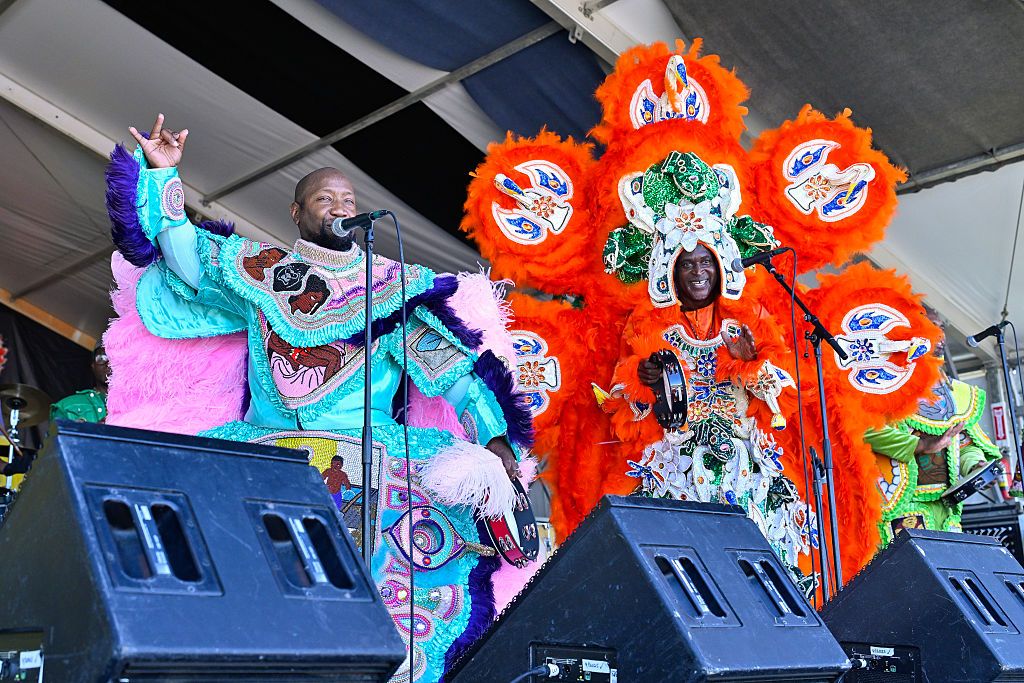
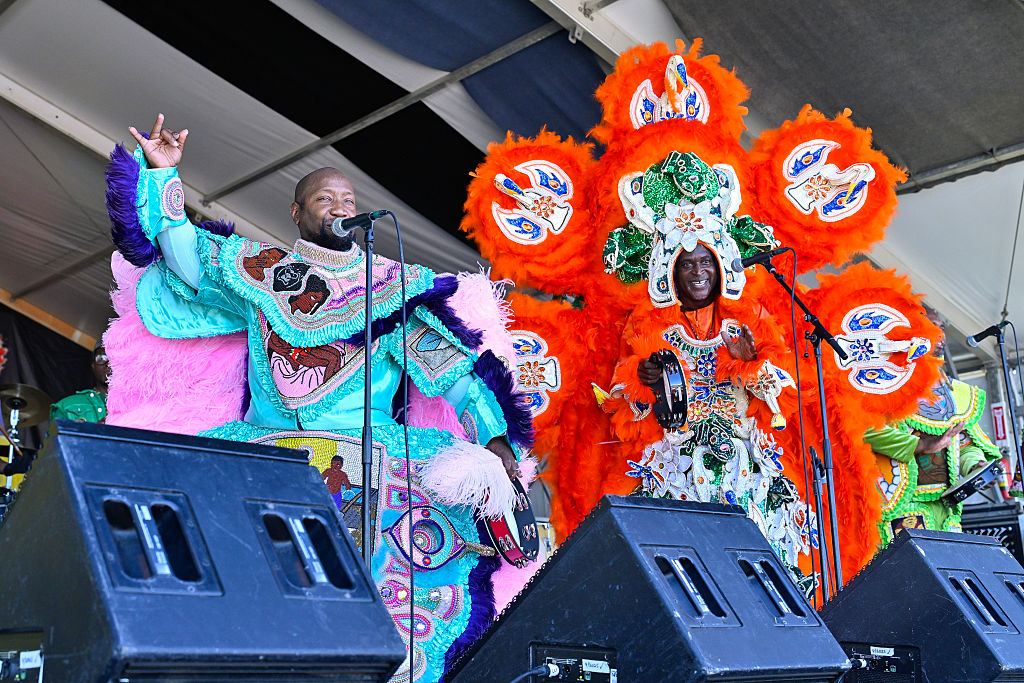
Big Chief Shaka Zulu of the Golden Feather Hunters elucidates the distinction: “A costume you put on to cover who you are, a suit you put on to reveal who you are.”
In Black Masking culture, these suits transcend decoration. They represent wearable art and altars, embodying countless hours of sewing, prayer, sacrifice, and communal effort. Each bead and sequin is a testament to spiritual labor.
The protection of these forms is not for the sake of spectacle, but for the preservation of visible memory.
The narrative then shifts to Janjanbureh, Gambia, where the Oku/Olu masquerade unfolds. This community, descended from those captured and displaced before completing the Atlantic crossing, had to rebuild their lives in Freetown, creating new kinship and cultural expressions from their ruptured past.
The masquerade becomes a vessel of resilience, carrying forward what displacement failed to erase.
New Orleans reappears through the vibrant Second Line.
The Divine Ladies Social Aid and Pleasure Club energizes the streets with music, fabric, and joyous movement. The First Line leads, but it is the Second Line that transforms the street into a dynamic celebration. Shaka Zulu explains that handkerchiefs can cleanse bad spirits, while umbrellas catch spiritual energy from above. Here, the street becomes a ceremonial path, a communal altar, and a living embodiment of sound, spirit, and movement.
While traditions like Zaouli, Black Masking, Oku/Olu masquerade, and Second Line are distinct, they share a common thread.
These traditions illustrate how Black communities have consistently used their bodies to preserve what history sought to dismantle.
The mask does not hide culture; it reveals the enduring spirit within.
SEE ALSO:
‘Sinners’ Surreal Montage Connects Ancestral, Modern Black Music, Dance
The Beat Did Not Die. It Found Another Body