The latest trade tensions between Brazil and the United States have intensified as Brazil threatens to retaliate following a new U.S. tariff on Brazilian imports. The move marks a significant development in the economic relations between the two countries, potentially impacting industries and political landscapes.
On Wednesday, the U.S. government announced a 25% tariff on certain Brazilian goods, citing unfair trade practices by Brazil, the world’s tenth-largest economy. The tariffs, effective from July 22, exempt some products like coffee, beef, oranges, orange juice, and aircraft components that are crucial to supply chains and not produced in the U.S.
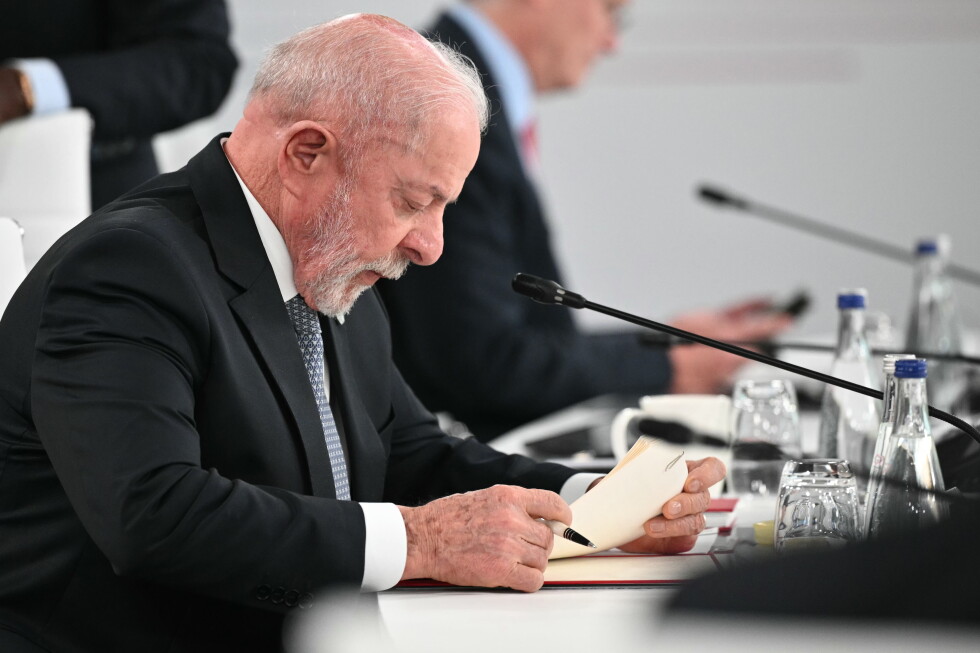
In response, Brazilian President Luiz Inácio Lula da Silva’s office refuted the U.S. claims, pointing out that 76% of U.S. imports to Brazil would be duty-free by 2025, with an average tariff of merely 3.1%. Brazil has signaled its intention to impose reciprocal tariffs and pursue the issue through the World Trade Organization’s dispute settlement mechanism.
The U.S.-Brazil Trade Dynamics
Historically, the U.S. has maintained a trade surplus with Brazil, unlike its usual global trade deficit. Last year, U.S. exports to Brazil surpassed imports by nearly $42 billion, with only the Netherlands and the United Kingdom having larger U.S. trade surpluses. This anomaly makes the current tariff imposition on Brazilian imports particularly noteworthy.
Brazil’s National Confederation of Industry expressed concern over the potential impact on national exports and the increased uncertainty for businesses in both nations. The Trump administration had previously imposed tariffs, citing a “witch hunt” against former Brazilian President Jair Bolsonaro, who was tried and convicted for attempting a coup after losing the 2022 election to Lula. Some of these tariffs were later rescinded.
Accusations of unfair trade practices from the Trump era persist, with U.S. Trade Representative Jamieson Greer investigating Brazil under Section 301 of the Trade Act of 1974. The U.S. charged Brazil with lax anti-corruption measures and unfair tariffs among other issues.
Brazil’s President Lula attributed the latest tariffs to the legacy of the Bolsonaro administration, stating his government does not acknowledge investigations not aligned with international trade rules. U.S. Secretary of State Marco Rubio suggested the tariffs resulted from Lula’s failure to negotiate effectively, a claim Brazil denies, asserting its commitment to dialogue.
Political Implications in Brazil
The tariff dispute could influence Brazil’s upcoming presidential elections in October, where Lula is anticipated to run against Senator Flávio Bolsonaro, son of the former president. Flávio Bolsonaro criticized Lula following the tariff announcement, likening him to President Biden and expressing doubts about his leadership.
The political discourse between the two leading candidates has already focused on their handling of the unpopular U.S. tariffs, indicating its potential significance in the electoral outcome.
For more updates on Latin America, visit AP’s Latin America coverage.