In a turn of events that keeps one of Brazil’s most prominent states in limbo, the Supreme Court has deferred its decision on the governorship of Rio de Janeiro. This delay extends the ongoing political crisis that has left the state’s administration in a state of uncertainty.
Since March 23, the office of the governor has been vacant following Cláudio Castro’s resignation to pursue a senatorial campaign, as mandated by the law. The question of who should assume the role, however, remains unresolved.
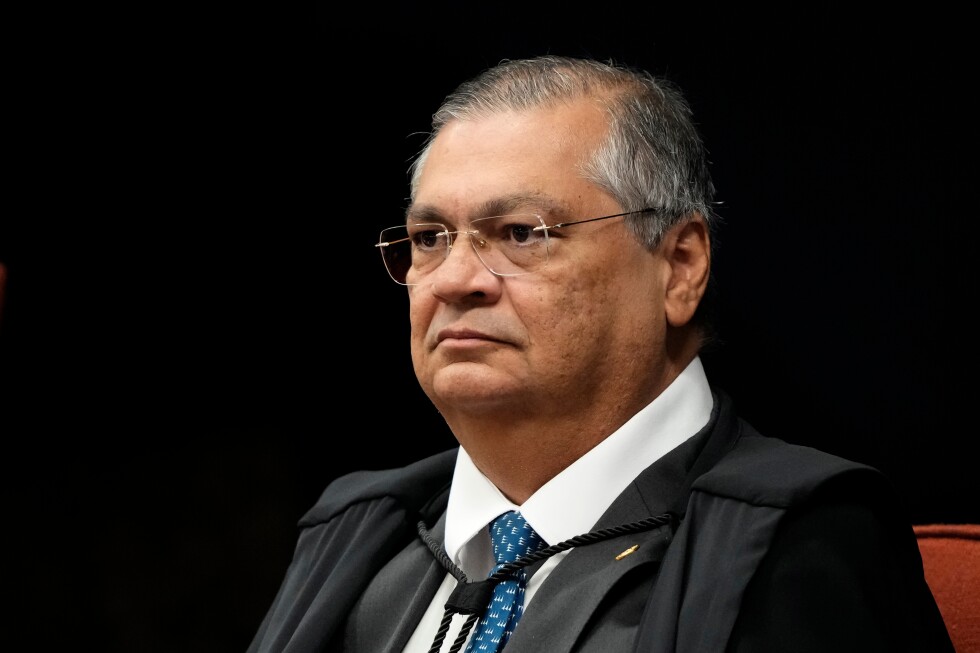
Justice Flávio Dino has requested a review of the case to determine whether the role will be filled through an early election by the populace or by the state legislature, which is not free from controversy. He has a 90-day window to deliver his verdict. Currently, the Supreme Court leans towards a legislative vote with a 4-1 stance among its 10 members.
The line of succession has been complicated by several factors. Thiago Pampolha, who would have been next in line, resigned from his deputy governor position in 2025 to join a government watchdog agency. Meanwhile, Rodrigo Bacellar, the speaker of the state legislature, has been jailed and removed from office.
At present, Ricardo Couto de Castro, the head of the state’s judiciary, is acting as the interim governor. However, his temporary appointment has led to difficulties in securing cooperation from other officials, according to local media reports.
With elections originally scheduled for October, a new governor might not take office until January next year. Political consultant Thomas Traumann expressed concern over the prolonged instability, stating, “Brazil’s government has just offered a deal to reduce diesel prices, which are high because of the conflict in the Middle East. Rio is one of the few that did not agree because there’s no one to authorize it. Now we will have Brazil’s most expensive diesel,” he explained, highlighting the potential dangers of the current situation.
The judiciary in Rio is also reportedly apprehensive about the impact of this leadership vacuum on ongoing legal proceedings.
In the political arena, Flávio Bolsonaro, a senator and son of former President Jair Bolsonaro, is advocating for the election of state lawmaker Douglas Ruas through the state legislature. Meanwhile, supporters of Luiz Inácio Lula da Silva and his candidate, Eduardo Paes, are calling for an election to allow voters to decide.
Stay updated with developments in Latin America by visiting AP’s Latin America coverage.