New Florida Law Targets Student Groups Under Terrorism Designation
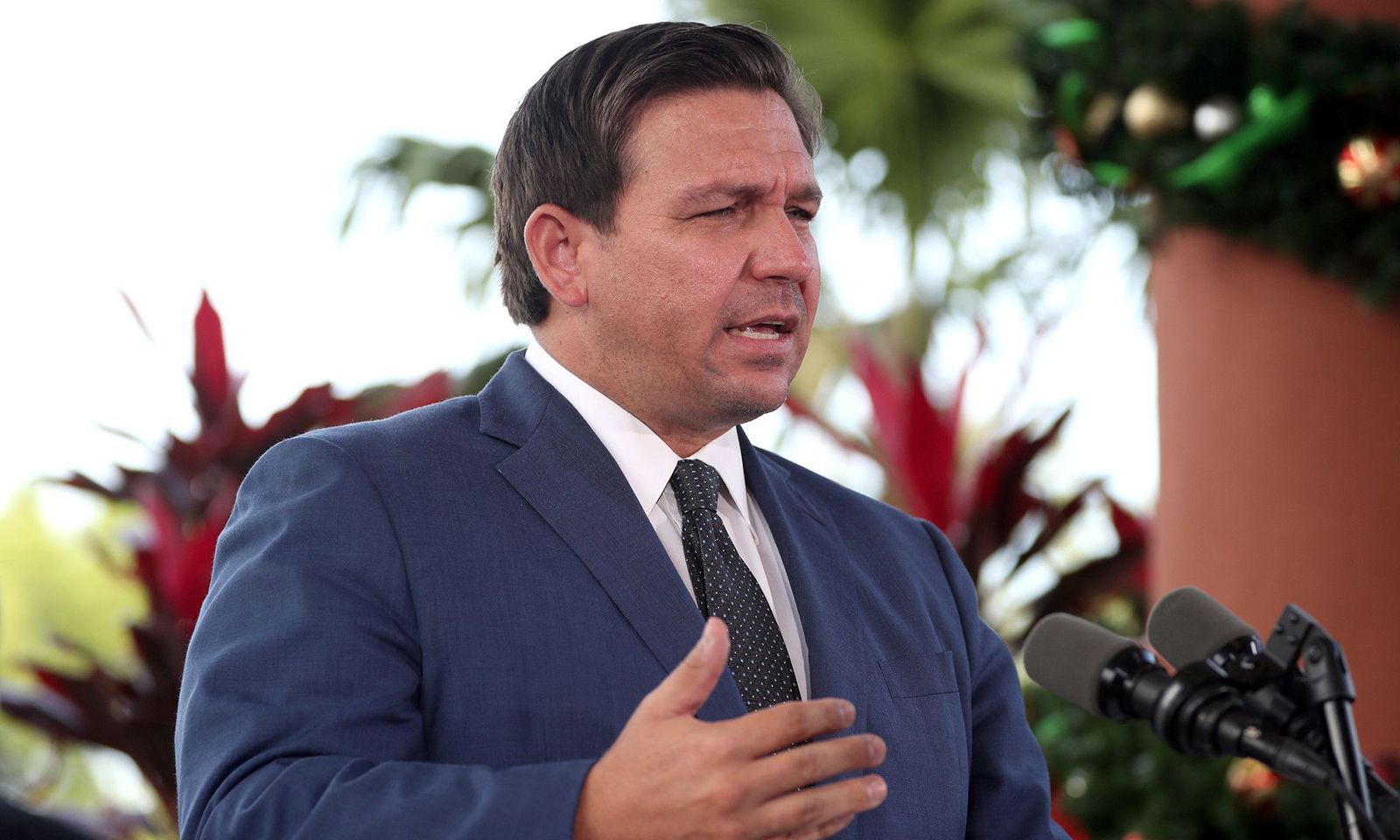
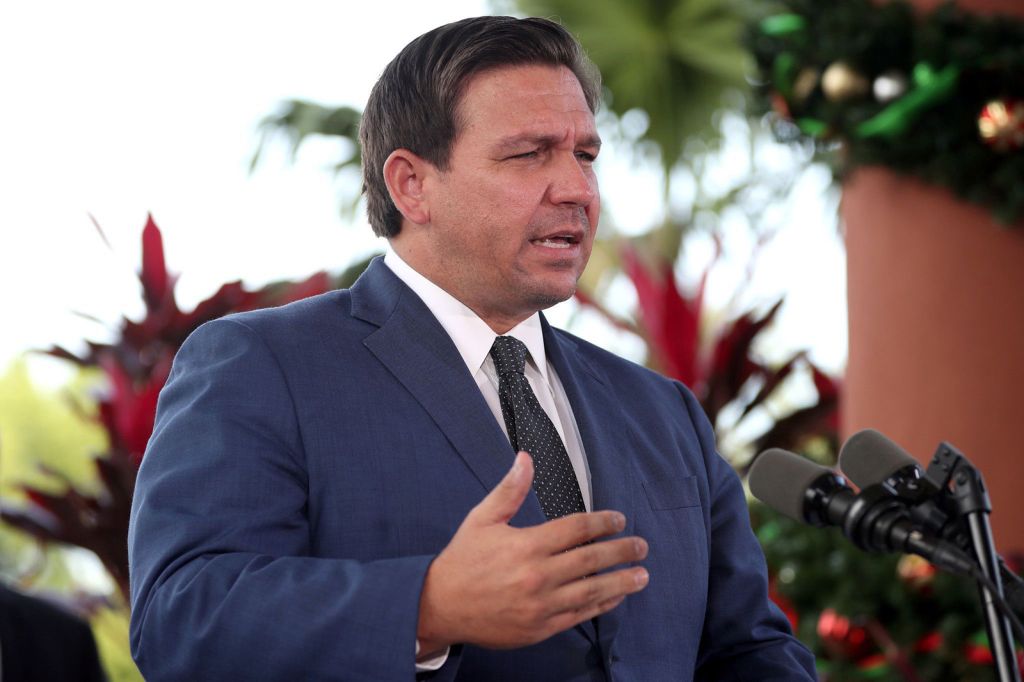
In a move stirring significant debate, Florida’s Governor Ron DeSantis has enacted a law enabling state leaders to label student organizations as terrorist groups, a decision that could have profound implications for academic institutions across the state. The law, signed on Monday, empowers the state’s top officials to decide which student groups might pose a threat.
As reported by AP, the law grants the Florida Department of Law Enforcement authority to categorize student entities as domestic or foreign terrorist groups. This decision is subject to approval by a cabinet consisting of DeSantis, the state attorney general, the chief financial officer, and the agriculture commissioner.
Once a student group is tagged with this designation, it will lose state funding from school districts or state agencies. Additionally, if a student on a visa gets expelled for supporting such a group, universities are required to notify U.S. Immigration and Customs Enforcement.
Governor DeSantis remarked at a Tampa news conference, “So this will help the state of Florida protect you. It’ll help us protect your tax dollars. It’ll help us protect things that should not be happening in the United States of America, but certainly shouldn’t be happening in the free state of Florida.”
However, the law has faced criticism from free speech advocates. PEN America, an organization promoting free expression, has expressed concerns about the vague language of the law. William Johnson, PEN America’s Florida director, highlighted the potential risks, stating the law “could chill education at every level. The implications are fraught.”
Critics argue that the law allows state authorities to suppress dissent by labeling opposing student groups as terrorist organizations. This concern echoes previous controversies surrounding DeSantis, such as the Stop WOKE Act, which faced its own legal challenges.
With the state’s history of political dynamics, including recent Democratic victories, some speculate on the potential future use of this law against right-wing student groups should political power shift.
The debate continues on whether this policy violates fundamental First Amendment rights, and many anticipate potential legal challenges to its implementation.
SEE ALSO:
Ron DeSantis Signs Bill To Rename Major Florida Airport After Trump
Florida Gov. Ron DeSantis Announces Special Session For Redistricting