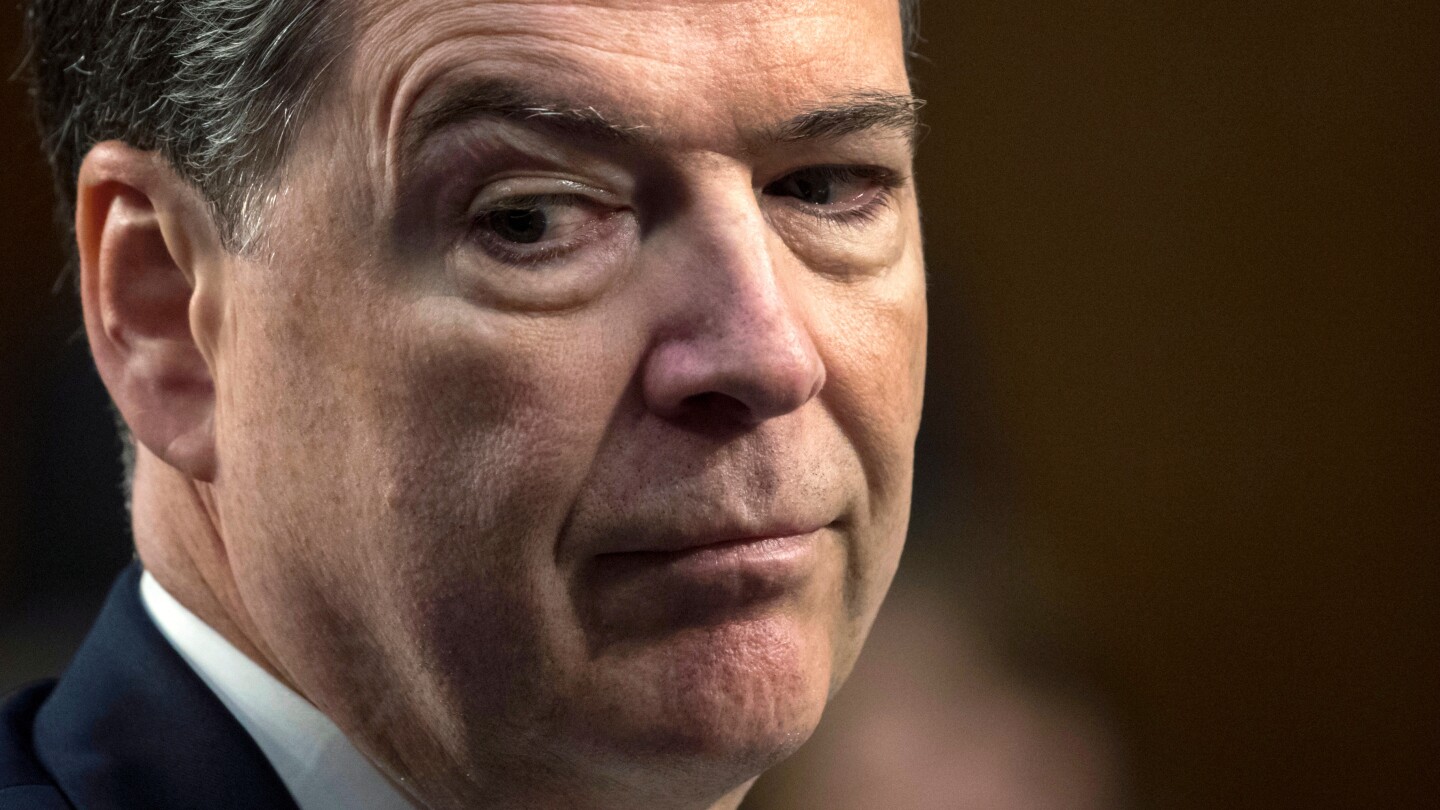
The legal proceedings surrounding former FBI Director James Comey have drawn significant attention to the secretive workings of grand juries in the U.S. federal court system. At the heart of the issue is whether the indictment against Comey will be upheld, as concerns arise over its presentation to a grand jury in Alexandria, Virginia.
The U.S. Justice Department has acknowledged potential issues in the case’s grand jury presentation. Comey, facing charges of making a false statement in 2020 and obstructing Congress, has pleaded not guilty. He argues that the charges are politically motivated, stemming from a vendetta by President Donald Trump.
Understanding Grand Juries
In the U.S., the grand jury system has its origins in England, where ordinary citizens evaluated whether crimes had been committed without the influence of the monarchy. “It was grafted into our constitution: No federal case can be charged without consideration of a federal grand jury,” noted Mark Chutkow, a former federal prosecutor.
Matthew Schneider, a former U.S. attorney, highlighted that the threshold for an indictment is lower than that for a conviction. “They’re not being asked to decide, beyond a reasonable doubt, whether a crime occurred,” Schneider stated. “They’re being asked if there’s probable cause that a crime occurred.”
How Grand Juries Operate
Grand juries consist of 16 to 23 members who meet privately, though not in constant session. Prosecutors present evidence through various means, and a judge intervenes only if issues arise with a witness. To indict, a minimum of 12 votes is required.
All participants, including jurors, prosecutors, and investigators, are sworn to secrecy. However, witnesses may choose to speak out later, though this is often discouraged by authorities. The grand jury can also request to see additional evidence or witnesses on its own initiative, as explained by Chutkow.
The Role and Discretion of Grand Juries
Grand juries have significant discretion, despite the common saying that they could “indict a ham sandwich,” attributed to a New York judge. They can choose to reject or limit indictments based on the evidence presented.
Instances in Washington have shown grand juries declining to indict, especially following actions by the Trump administration. Critics, including U.S. Attorney Jeanine Pirro, have accused politics of influencing these decisions, citing a “broken” system.
The Current State of Comey’s Case
U.S. Magistrate Judge William Fitzpatrick has raised concerns about whether the full grand jury reviewed Comey’s indictment. A Justice Department lawyer admitted that it had not been presented to the entire jury.
Comey’s lawyer, Michael Dreeben, argues that this oversight is grounds for dismissing the case. U.S. District Judge Michael Nachmanoff, responsible for any potential trial, is currently deliberating the matter.
For further information, refer to this article on the AP News website.