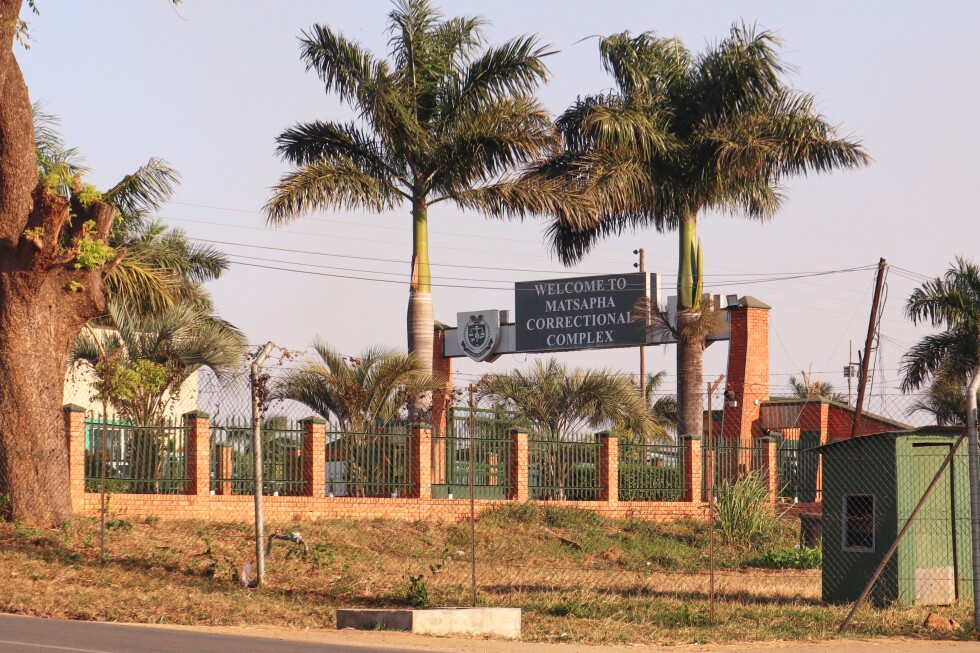
In a significant legal development, the Supreme Court of Eswatini has granted four men, deported by the United States under a third-country deportation arrangement, the right to meet with a lawyer. This decision comes after they spent nine months in a maximum-security facility without in-person legal representation.
Initially, a lower court had allowed Sibusiso Nhlabatsi, acting on behalf of U.S.-based legal counsel, to meet these men. However, this decision faced immediate challenges from Eswatini’s government. The Supreme Court’s recent judgment dismisses the government’s claims that the deportees neither desired legal consultation nor were entitled to it since they were not charged with a crime in Eswatini.
Eswatini, Africa’s last absolute monarchy, has been under scrutiny for its treatment of pro-democracy activists, often resorting to aggressive measures. Alma David of Novo Legal Group, representing two of the men, remarked that the prolonged legal battle to secure basic rights for the men “speaks volumes about how hard the government of Eswatini is fighting to deny these men the most basic of rights.”
The men, originating from Cuba, Yemen, Laos, and Vietnam, have only been able to communicate with their U.S. lawyers via phone. Eswatini is one of at least eight African nations participating in the U.S. deportation program, which aims to swiftly deport migrants who cannot be returned to their home countries. Critics argue that this program violates deportees’ rights in nations with questionable human rights records.
The Program’s Financial and Political Implications
Documents from the U.S. State Department reveal that Eswatini received $5.1 million to accommodate deportees. Since July, at least 19 individuals have been sent to Eswatini, with the country claiming they could be detained for up to a year. Two have already been repatriated. Other African countries involved in similar deals include South Sudan, Rwanda, Uganda, Ghana, Cameroon, Equatorial Guinea, and Congo.
These arrangements, often shrouded in secrecy, have raised concerns. For instance, details about payments and conditions, such as the $7.5 million agreement with Rwanda, have been partially disclosed. In South Sudan, discussions included dropping sanctions against a senior official. However, there’s no evidence that these requests were fulfilled by the U.S.
Ongoing Concerns and Future Negotiations
Senate Democrats have expressed skepticism about a $7.5 million payment to Equatorial Guinea, a nation with a history of corruption and repression. Many elements of these deals remain undisclosed, including the whereabouts and detention durations of deportees.
According to a Senate Foreign Relations Committee report, the Trump administration allocated at least $40 million to deport about 300 migrants to third countries, including African and Central American nations. As of now, 47 deportation agreements have been established or are under negotiation.
Eswatini’s government is yet to decide on any further actions following the Supreme Court’s decision, as stated by spokesperson Thabile Mdluli.
For more on Africa, visit AP Africa news.