Health Care Costs Set to Surge as Subsidies Expire
With the approach of open enrollment on November 1, millions of Americans are bracing for significant changes in their health care costs. Despite assurances from the Trump administration and Dr. Oz, a rise in premiums is more than a few dollars away.
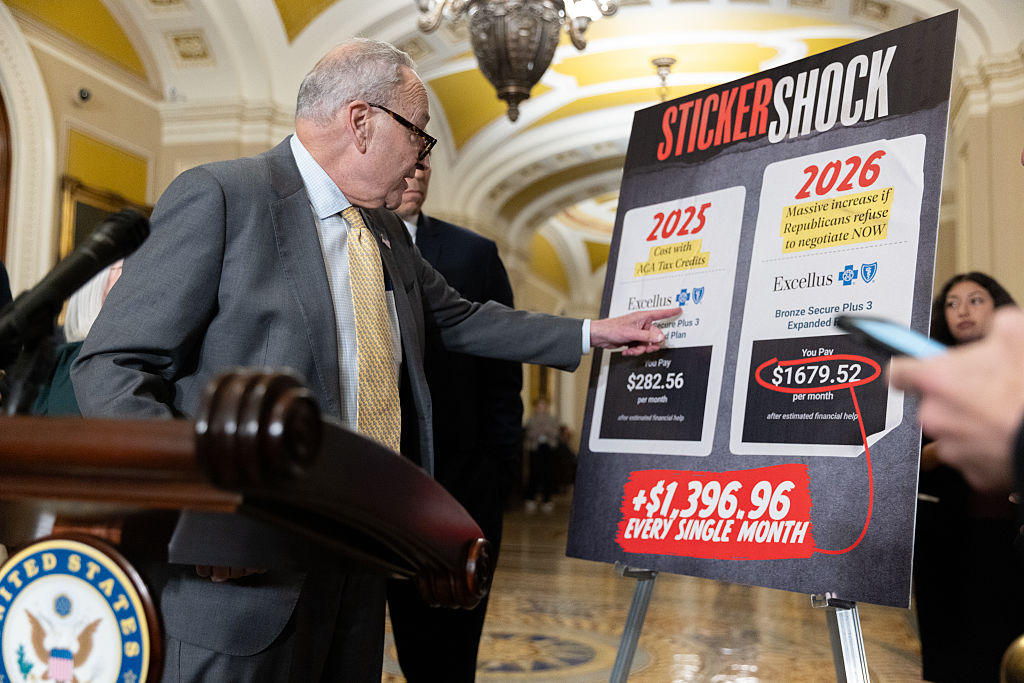
Dr. Oz has disputed claims made by the Kaiser Family Foundation (KFF) and other organizations, asserting that healthcare premiums are not on the verge of a steep increase. However, according to KFF, plans available on the ACA marketplace were already projected to rise by 26%. With the expiration of the enhanced premium tax credit, many could see their premiums increase by an estimated 114%.
This means that monthly premiums for some could potentially double. The enhanced premium tax credit, introduced during the Biden-Harris administration as part of COVID-ERA relief, currently aids 22 million Americans. Its expiration could remove an essential financial buffer for numerous families.
Employer-provided health insurance costs are also on the rise, marking the largest hike in 15 years, according to reports. The extent of this increase will depend on how much of the cost employers pass on to employees, potentially affecting the pricing of other goods and services.
Switching to a plan with lower premiums could lead to higher out-of-pocket expenses, loss of access to preferred providers, and increased wait times. This leaves individuals deciding between essential healthcare and other basic needs.
As costs for essentials such as food, utilities, and rent outpace wages, many Americans face overwhelming financial pressure. The situation is compounded by recent layoffs and potential future job losses, disproportionately impacting certain communities, including Black Americans.
Current political and financial strategies appear to favor cutting direct benefits to working families, shifting the burden of rising costs instead of offering relief. This situation prompts calls for extending and making tax credits permanent, reducing medication costs, and adequately funding programs like SNAP to support vulnerable populations.
People are looking for genuine options and relief, advocating for tax dollars to support everyday citizens rather than luxury subsidies.
SEE ALSO:
What Happens If SNAP Stops? What You Should Know
25 States Sue Trump Administration Over SNAP Benefits