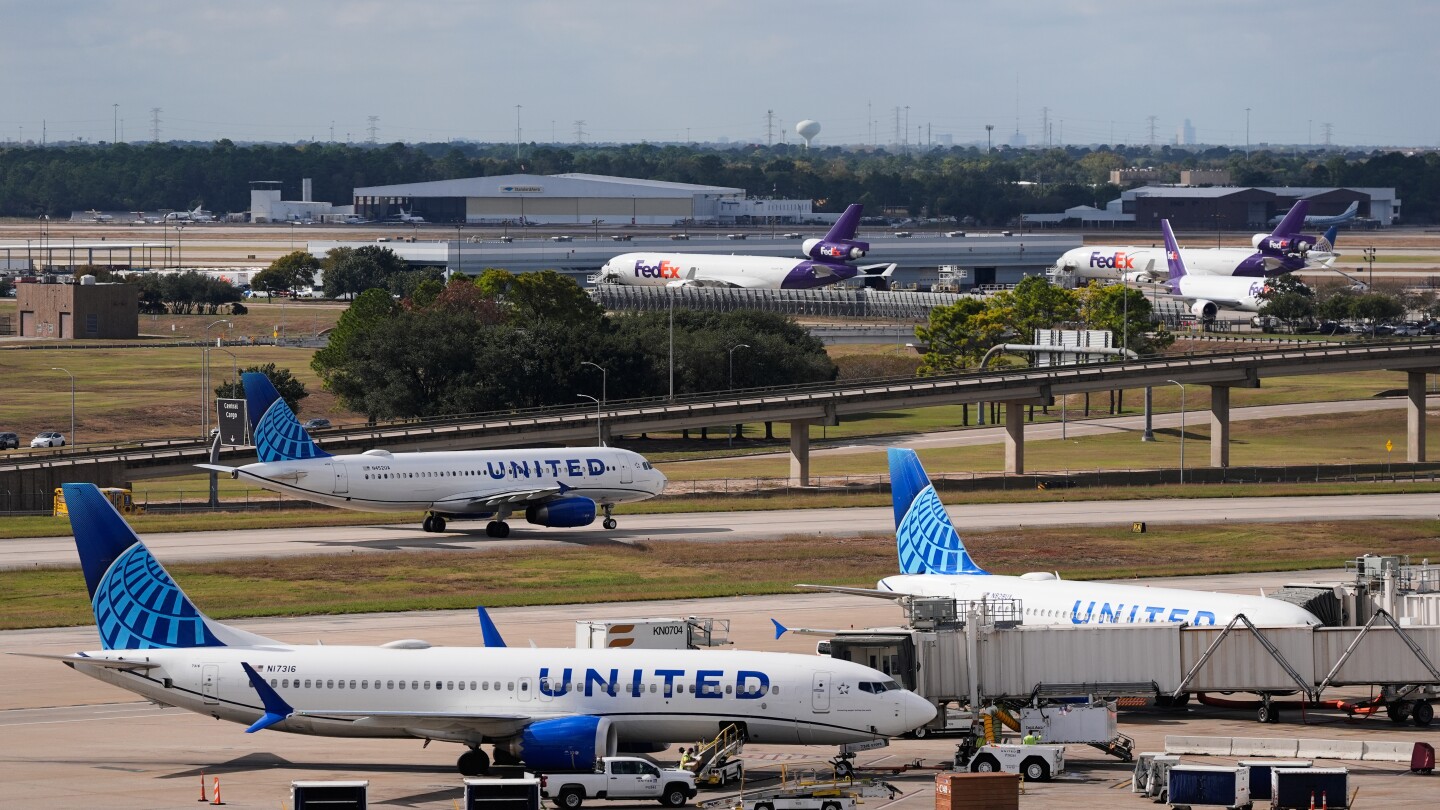
The Federal Aviation Administration (FAA) has taken an extraordinary step to reduce nationwide flights amid a prolonged government shutdown. This decision, effective Friday morning, has left many passengers scrambling for alternative travel plans.
Airlines, anticipating the FAA’s directive, began cutting flights on Thursday. Travelers with upcoming plans are anxiously monitoring their flight statuses, with airlines advising them to use apps for real-time information. The FAA’s flight reduction affects 40 airports across more than two dozen states.
Initially, the FAA plans to decrease flights by 4%, eventually reaching a 10% reduction by November 14. These cutbacks are intended to ease the burden on air traffic controllers who have been working without pay and under strenuous conditions.
Alleged ‘inhumane’ Conditions at Chicago-area ICE Facility Under Scrutiny
Measures have been ordered to improve conditions at a U.S. Immigration and Customs Enforcement facility in Broadview, Illinois. Changes include regular cleanings and better access to drinking water and bedding for detainees, following a U.S. District Judge Robert Gettleman’s order.
Judge Gettleman, after hearing detainees’ testimonies about poor conditions, described the situation as “unnecessarily cruel.” The government claims compliance with the judge’s order, although plaintiffs’ attorneys remain skeptical and seek facility inspections.
Supreme Court Temporarily Blocks Full SNAP Benefits Amid Shutdown
The Supreme Court has approved an emergency appeal from the Trump administration to halt a court order mandating full Supplemental Nutrition Assistance Program (SNAP) payments during the shutdown. Some states have already started distributing the payments, maintaining uncertainty for the program which aids about 1 in 8 Americans.
Deployment of Troops to Portland Ruled Unlawful
A federal judge ruled that the Trump administration did not meet legal requirements for deploying the National Guard to Portland, Oregon. The city and state had sued to halt the deployment, arguing protests at a local ICE building did not justify military use under federal law.
Thanksgiving Dinner Cost Claims Disputed
President Trump’s claim that Thanksgiving dinner costs are down 25% this year is misleading. While a Walmart meal basket may cost less, it includes fewer items compared to last year’s offering. Economists highlight the differences in products and retailers’ strategies.
Complexities Behind Trump’s Narco-Terrorist Accusations
U.S. military strikes on boats alleged to be drug-smuggling vessels have resulted in over 60 deaths. While the administration describes these operators as narco-terrorists, further investigation reveals many were first-time smugglers or low-level criminals, complicating the narrative.
Veterans Day Events Canceled Due to Shutdown
The ongoing government shutdown has led to the cancellation of some Veterans Day events, including the annual program at Dallas-Fort Worth National Cemetery. A lack of resources has forced organizers to halt these events, prompting alternative means to honor veterans.
Surge in Beef Prices Explained
Beef prices are climbing due to a smaller herd size and high demand. Economic factors such as drought and tariffs contribute to the situation. Experts note no significant change in the meat packing industry’s ownership, countering claims of market manipulation.
New York AG Seeks Dismissal of Trump’s Case
New York Attorney General Letitia James has filed a motion to dismiss a mortgage fraud case against her, citing it as retaliatory action from President Trump. The case stems from James’ previous lawsuit against Trump and his companies.
Transportation Secretary Warns of Potential Further Flight Reductions
Transportation Secretary Sean Duffy indicated that continued controller absences could necessitate further flight reductions if the government shutdown persists, possibly increasing cuts from 10% to 20%.
Alternative Travel Methods Considered Amid Flight Disruptions
Travelers are turning to alternative modes of transport due to flight cancellations and delays. Some, like Jonathan Welle, have opted for train travel despite its longer duration, reflecting growing concerns over the reliability of air travel during the shutdown.