As gas prices continue to rise, drivers are on the lookout for cost-saving opportunities. Native American reservations have become unexpected havens for affordable fuel, attracting motorists seeking relief from high prices exacerbated by geopolitical tensions.
In Fort Collins, Colo., Junelle Lewis discovered a solution to the escalating Seattle-area gas prices, influenced by the ongoing Iran war, through a simple app on her phone. Her quest led her to the Tulalip Reservation, only a short drive from her home, where she found gas priced significantly lower than in her neighborhood.
Exploring the Quest for Cheaper Fuel
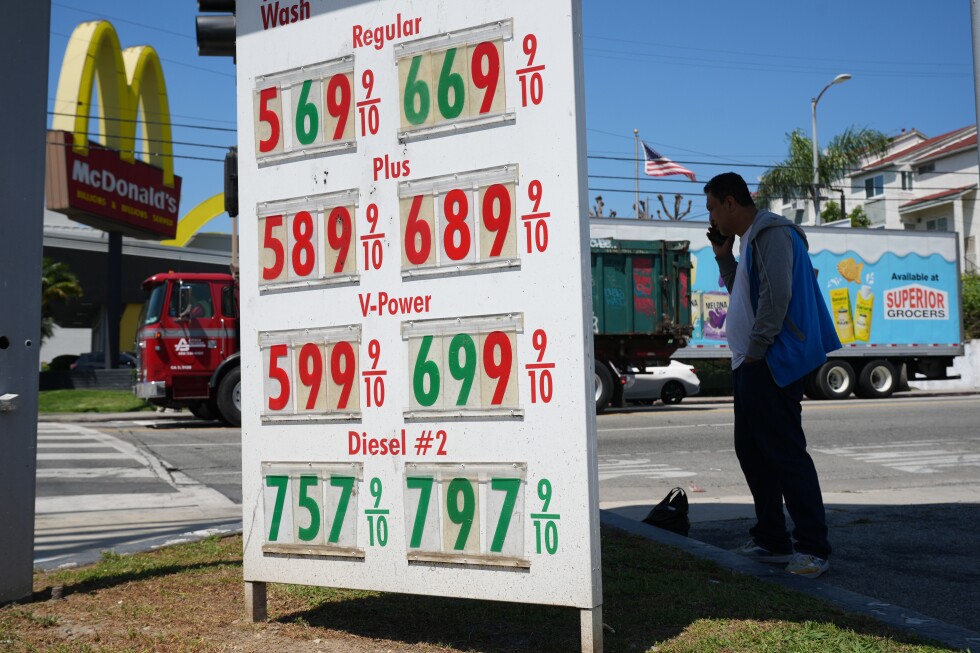
Mobile apps like Gas Buddy have made it easier than ever for consumers to locate the most affordable gas options. With national gasoline prices rising by over $1 since the Iran war commenced on February 28, the average price has climbed to $4.15 per gallon, according to AAA.
Despite previous highs, with prices surpassing $5 during the summer of 2022, economists predict that the trend will continue upward, further contributing to inflation as geopolitical tensions persist.
However, cost-conscious drivers can still find bargains at many of the nearly 500 tribally owned gas stations across the United States. For instance, the Chukchansi Crossing Fuel Station & Travel Center in California offers gas 60 cents cheaper than nearby stations.
Understanding Tribal Gas Tax Exemptions
The advantage of tribal gas stations lies in their tax exemptions. While tribes must pay federal fuel taxes, they are exempt from state fuel taxes, allowing them to sell gas at reduced prices. This principle, upheld by U.S. courts for over a century, allows tribes to avoid state tax collection on their lands.
Federally recognized tribes operate in 35 states with varying state gas taxes. Court rulings, such as the 2019 Supreme Court decision favoring the Yakama Nation, have reinforced these rights, allowing tribes to offer competitive pricing on fuel.
Diversifying Revenue Streams
Beyond fuel sales, tribal businesses generate revenue through convenience stores and additional services. These stores often serve as vital resources in “food deserts,” providing groceries and household supplies where other options are scarce.
Tribal enterprises also include car washes, smoke shops, and truck stop amenities, with some stations located near casinos, enhancing their appeal to travelers. Notably, a significant portion of tribally owned gas stations are situated at or near casinos, creating a unique dual attraction.
Revenue from these operations supports essential services on reservations. Tanya Burns, CEO of the Tulalip Tribes Federal Corporation, noted that rising gas sales contribute to funding roads, healthcare, education, and more.
Ultimately, for many customers, it’s not just about savings. As Mark Foster, a regular patron of a tribally owned gas station, expressed, “I like the way the tribe operates, and the price is good too.”