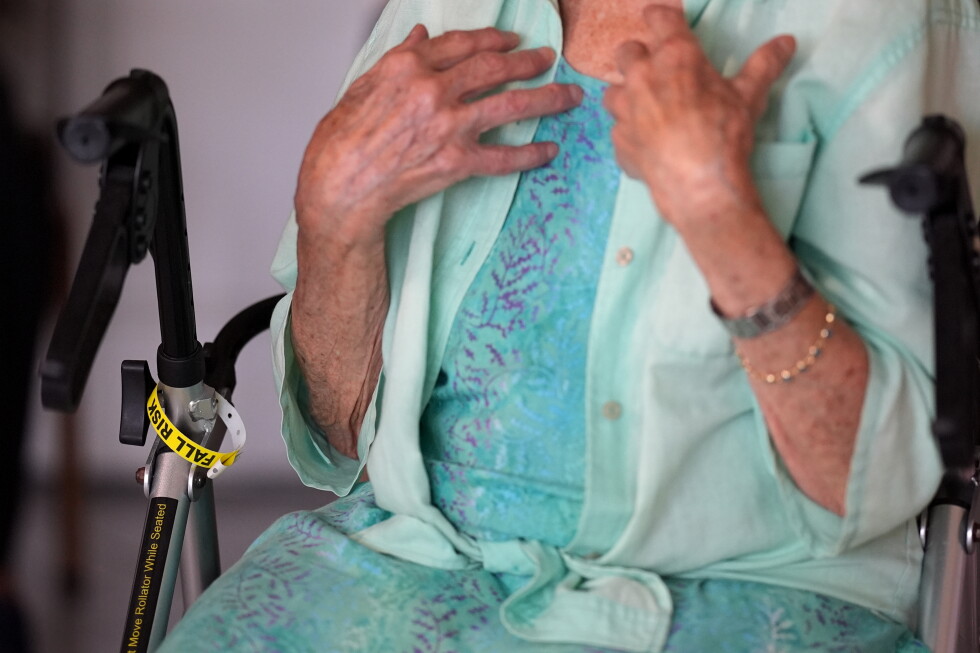
In the heart of New York, a quiet crisis is unfolding. For Solange French, a 91-year-old resident, the potential loss of her dedicated caregiver, Martha Nelson, could mean a seismic shift in her daily life. With the Supreme Court’s recent nod to the White House’s immigration restrictions, Nelson, who hails from Haiti and holds a Temporary Protected Status (TPS), faces the possibility of returning to a country she left behind.
The Trump administration’s decision to dismantle TPS protections not only affects caregivers like Nelson but also the vulnerable individuals who depend on them across the United States. Home health agencies and care facilities are bracing for the impact, as the loss of TPS workers might exacerbate an already strained caregiving sector.
Impact of the Supreme Court Decision
The Supreme Court’s ruling allows the Trump administration to terminate TPS for certain groups, notably affecting 350,000 Haitians and 6,000 Syrians. However, this decision could extend to a larger pool of 1.3 million people from 17 countries. The aftermath of the ruling has left many in confusion as immigration officials initially provided extensions to TPS holders, causing uncertainty among workers and employers alike.
Employers, wary of legal repercussions, have started letting go of TPS workers, much to the dismay of their clients. This has left many elderly and disabled individuals anxious about their future care, highlighting how deeply intertwined the lives of caregivers and those they care for have become.
The Search for Replacement Caregivers
Immigrants form a significant portion of the U.S. caregiving workforce. According to PHI, a nonprofit focused on this sector, about one-third of home health aides are immigrants. For many, their caregiver is more than just a helper; they are a lifeline in their daily lives. These workers often provide essential companionship and advocacy, especially in institutional settings.
Facilities like Cabrini of Westchester, where the workforce is predominantly immigrant, are scrambling to find replacements and manage the potential workload increase for remaining staff. For those facing the loss of TPS, the future is uncertain, with many fearing a return to unstable conditions in their home countries.
The Human Cost
For caregivers like Nelson and her client French, the bond goes beyond mere employment. Both women share a history of migration from Haiti to New York, albeit decades apart. Nelson has been an integral part of French’s life, providing not just care but also companionship.
The looming threat of separation weighs heavily on both of them. French, who once saw the U.S. as a land of opportunity, is disheartened by the changing attitudes towards immigrants. Nelson, who has been with French through thick and thin, fears for her future and the impact on French’s life without her presence.
As Nelson continues her daily routine with French, every moment is tinged with the uncertainty of whether it might be their last day together. Nelson’s story is a poignant reminder of the human connections and dependencies that hang in the balance amidst broader immigration policy shifts.