Major Attack Leads to Uncertainty in Iran’s Leadership
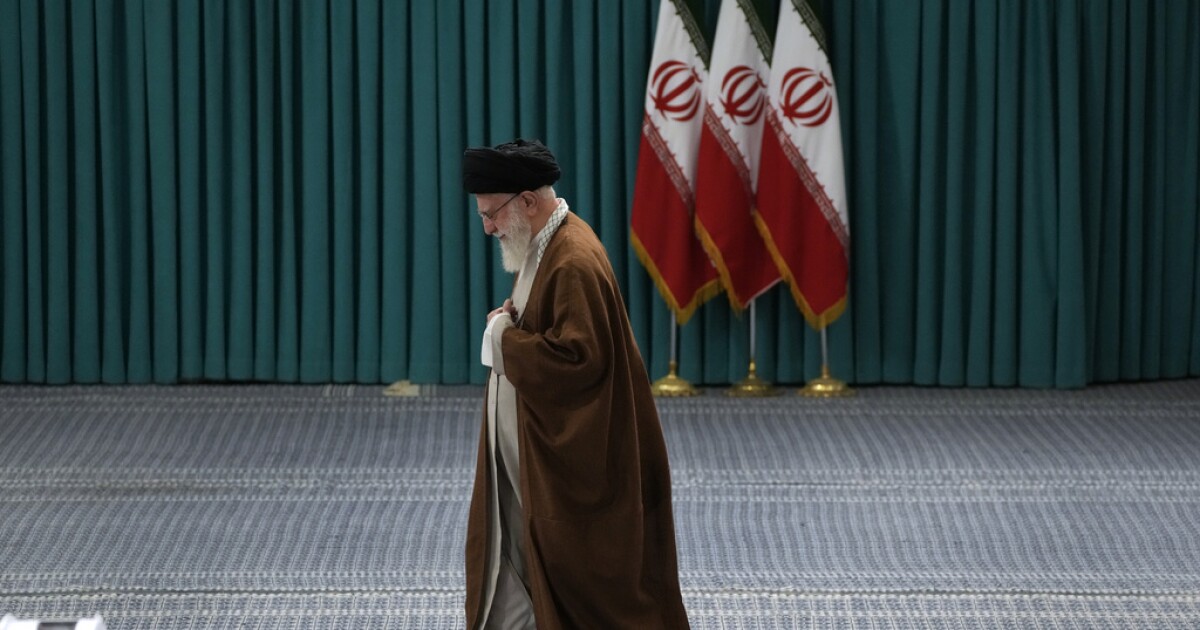
A dramatic escalation unfolded as Supreme Leader Ayatollah Ali Khamenei was reportedly killed in an attack on Iran by Israel and the United States. This unprecedented event raises questions about the future of the Islamic Republic, given the absence of a designated successor for Khamenei.
According to Israeli officials, Khamenei was killed during a targeted strike on his compound early Saturday. The announcement has yet to receive confirmation from the U.S. or Iran, but Israeli Prime Minister Benjamin Netanyahu indicated there were “growing signs” of the leader’s death during a public address.
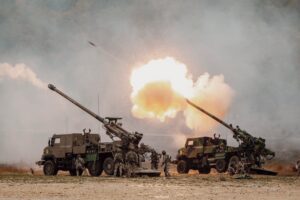
In the wake of the strike, Iran’s state media reported over 200 fatalities and hundreds more injured, leading to retaliatory missile strikes on Israel and U.S. bases. The conflict threatens to escalate as exchanges of fire continue.
In a video message, President Donald Trump urged the Iranian people to rise against their leadership, suggesting a pivotal moment for change. He stated, “when we are finished, take over your government. It will be yours to take. This will be probably your only chance for generations.”
As the situation develops, the attack has stirred international reactions, including from Iran’s Foreign Minister Abbas Araghchi, who denounced the strikes as “unprovoked, illegal and absolutely illegitimate.” Meanwhile, the U.N. Security Council has scheduled an emergency meeting to discuss the crisis.
The strikes occurred during the holy month of Ramadan and mark a significant moment in U.S. involvement in Iran, following a history of rising tensions over Iran’s nuclear program.
Despite the aggressive actions, the U.S. military reported minimal damage to its bases. The attack appears to have been aimed at Iran’s military and governmental infrastructure, including the Revolutionary Guard and key leadership figures.
Escalating Tensions and Global Repercussions
The attack follows months of heightened tensions, exacerbated by unsuccessful nuclear negotiations and internal dissent within Iran. The current situation reflects a period of vulnerability for Iran’s leadership, which has faced challenges since the 1979 Islamic Revolution.
Responses to the attack have varied, with some members of the international community criticizing the Trump administration’s unilateral military actions. The U.N.’s nuclear watchdog continues to monitor the situation for potential radiological impacts.
In the broader region, the strikes could disrupt global markets, particularly oil exports through the Strait of Hormuz, a critical waterway for international trade. Additionally, the conflict has already impacted air travel and regional security, with multiple countries reporting missile and drone attacks.
The cooperation between Israel and the U.S. in planning the operation highlights a significant geopolitical strategy, aiming to dismantle Iran’s military capabilities and influence. However, the potential for further escalation remains a concern as Iran continues to assert its right to defend its sovereignty.
As the world watches, the unfolding events in Iran could have far-reaching consequences, not only for the Middle East but for international relations and global stability.