Tensions Rise Over ICE Tactics in Chicago: A Legal and Human Rights Clash
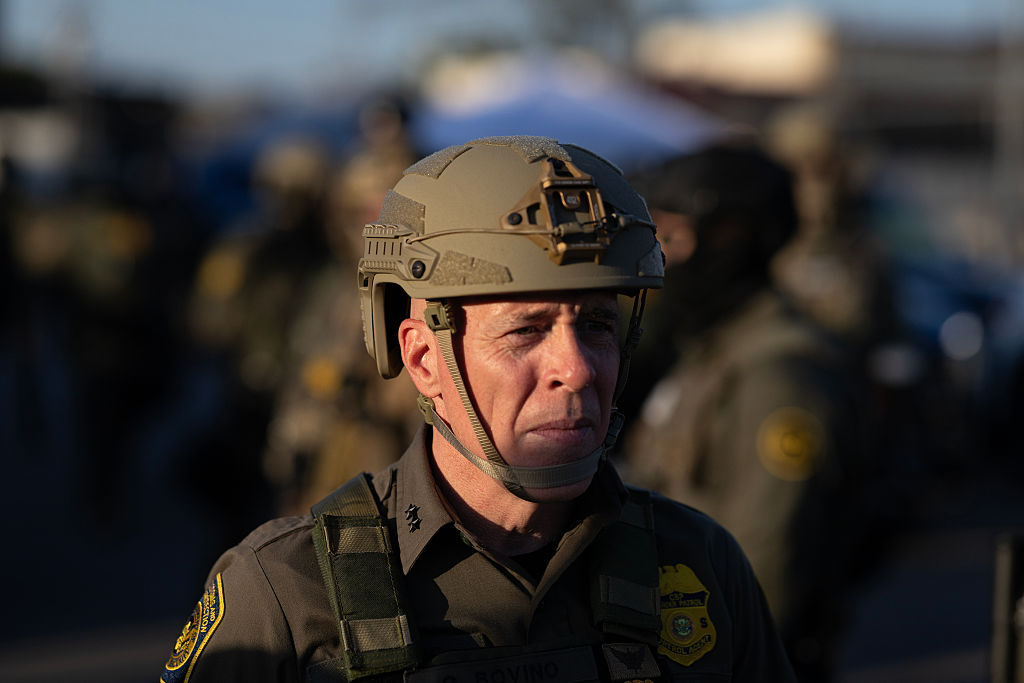
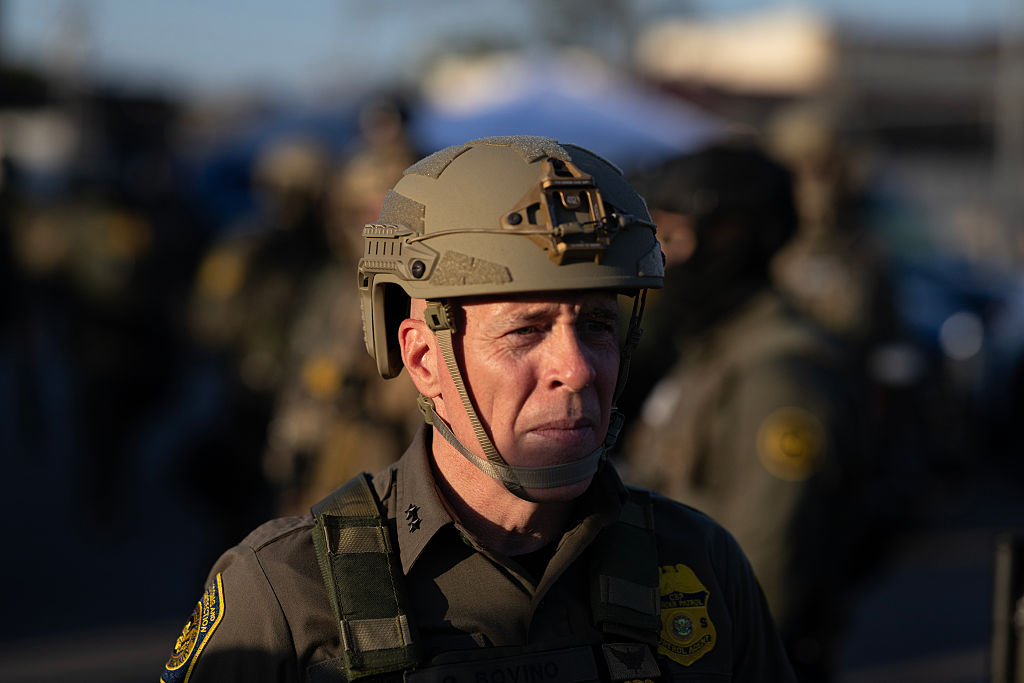
Recent legal battles in Chicago have drawn significant attention to the conduct of U.S. Customs and Border Patrol, particularly under Commander Gregory Bovino. Federal Judge Sara L. Ellis has expressed frustration with Bovino’s agents for allegedly ignoring her order to limit the use of tear gas in residential areas. The judge took the unusual step of requiring Bovino to personally report to her daily, a move temporarily blocked by the 7th Circuit Court following a Department of Justice appeal, as reported by ABC 7.
Judge Ellis’s orders were prompted by incidents such as the one in Aurora, where agents reportedly used pepper spray on a vehicle with children inside. A witness, Pineda, described the event to ABC7, saying, “They didn’t acknowledge that my kids were in the car. I had no form of weapon in order for them to attack me how they did.” The judge insists that agents use body cameras and display visible identifiers, and she has prohibited the use of chemical agents without warning unless there is a direct threat.
Despite the legal challenges, Bovino has publicly stated on Fox News that he is not concerned about the daily court hearings, claiming they would expose the reality of Chicago’s streets. He said, “We’re going to speed those apprehensions up, and no, we are going to go harder. We go harder now. I’m not worried about it at all.”
Meanwhile, the Department of Justice has indicted several political figures, including Kat Abughazaleh, involved in protests against ICE operations. Abughazaleh, a Democratic candidate for Congress, was charged after participating in a protest at an ICE processing center. She labeled the charges as “political prosecution” intended to suppress dissent. Her case, along with others, reflects ongoing tensions between federal authorities and activists.
The whereabouts of over 3,000 individuals arrested in Chicago remain unclear, prompting concerns from human rights groups. Mark Fleming of the National Immigrant Justice Center noted that these detainees are not violent criminals, but individuals with deep community ties. His organization has filed lawsuits to prevent warrantless arrests and is pressing for clarity on the detainees’ status.
In Chicago, resistance against ICE continues, with activists setting up the “Yes We Canopy” tent in Broadview to support detainees’ families despite village ordinances. As legal and community battles persist, the situation remains a focal point for discussions on immigration policies and human rights.