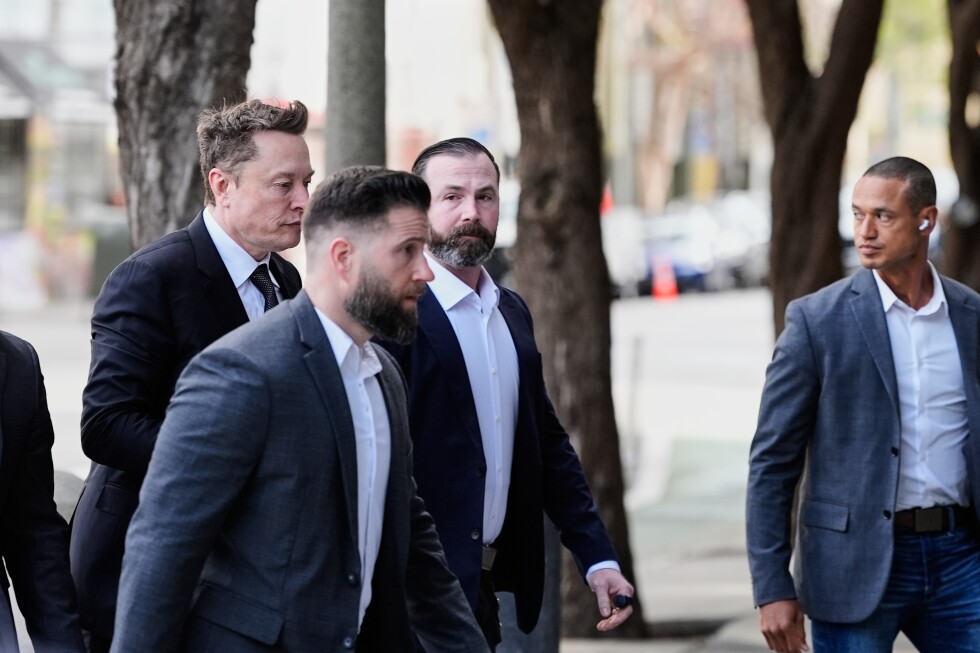
In a significant turn of events, a San Francisco jury has ruled against Elon Musk, finding him liable for misleading investors in the lead-up to his $44 billion acquisition of Twitter in 2022. While the jury determined that Musk’s actions did constitute fraud, they also concluded that he did not orchestrate a deliberate scheme to deceive investors.
The class-action lawsuit, initiated just before Musk’s takeover of Twitter—now rebranded as X—focused on whether Musk’s communications, particularly two tweets and remarks made during a May 2022 podcast, were intended to mislead shareholders into selling their stocks. The jury’s decision came after nearly four days of deliberation, concluding a trial that spanned almost three weeks starting March 2.
Shareholders are set to receive damages ranging from approximately $3 to $8 per share per day, tallying up to around $2.1 billion in stocks and an additional $500 million in options, according to the plaintiffs’ legal team. Musk’s fortune, largely tied to Tesla shares, stands at an estimated $814 billion.
Mark Molumphy, representing the plaintiffs, remarked, “It’s an important victory, not just for investors of Twitter, but for the public markets. I think the jury’s verdict sends a strong message that just because you’re a rich and powerful person, you still have to obey the law, and no man is above the law.”
Musk’s defense team, led by Quinn Emanuel Urquhart & Sullivan, has announced plans to appeal the verdict, citing recent legal victories in other cases involving Musk. They commented, “We view today’s verdict, where the jury found both for and against the plaintiffs and found no fraud scheme, as a bump in the road. And we look forward to vindication on appeal.”
A central theme of the trial was Musk’s assertions about the prevalence of fake accounts on Twitter. Musk claimed that Twitter had significantly more bots than the 5% disclosed in official filings, using this as justification for attempting to withdraw from the acquisition deal. After Musk sought to back out, Twitter pursued legal action to enforce the original agreement, which Musk eventually honored.
The jury determined that while Musk’s tweets, including a notable one on May 13, 2022, claiming the acquisition was “temporarily on hold,” did mislead investors, his podcast statements were deemed as opinions rather than deliberate misrepresentations. Musk, who testified for over a day, accused Twitter’s management of providing deceptive data regarding bot accounts, calling their estimates “BS.”
During the trial, Musk contended that completing the acquisition at the agreed price resulted in substantial gains for most Twitter shareholders. However, Twitter’s stock price dipped below $33, significantly lower than Musk’s original purchase offer, affecting shareholders who sold amid uncertainty.
Legal representatives for the plaintiffs argued that Musk’s tweets were strategic, aimed at reducing Twitter’s stock value to renegotiate the purchase terms or exit the deal. Mark Molumphy emphasized this point in his closing statement, urging the jury to compensate investors who suffered losses due to Musk’s tweets.
Musk’s legal team repeatedly sought a mistrial, arguing that public sentiment in San Francisco could unfairly influence the trial outcome, given Musk’s controversial public persona.
This case adds to Musk’s legal challenges concerning his social media use. Previously, Musk faced a San Francisco federal court in a similar case concerning his 2018 proposition to take Tesla private, where he was ultimately found not guilty of wrongdoing. Business litigation lawyer Monte Mann commented, “The verdict sends a clear message—if you move the market with your words, you own the consequences.”