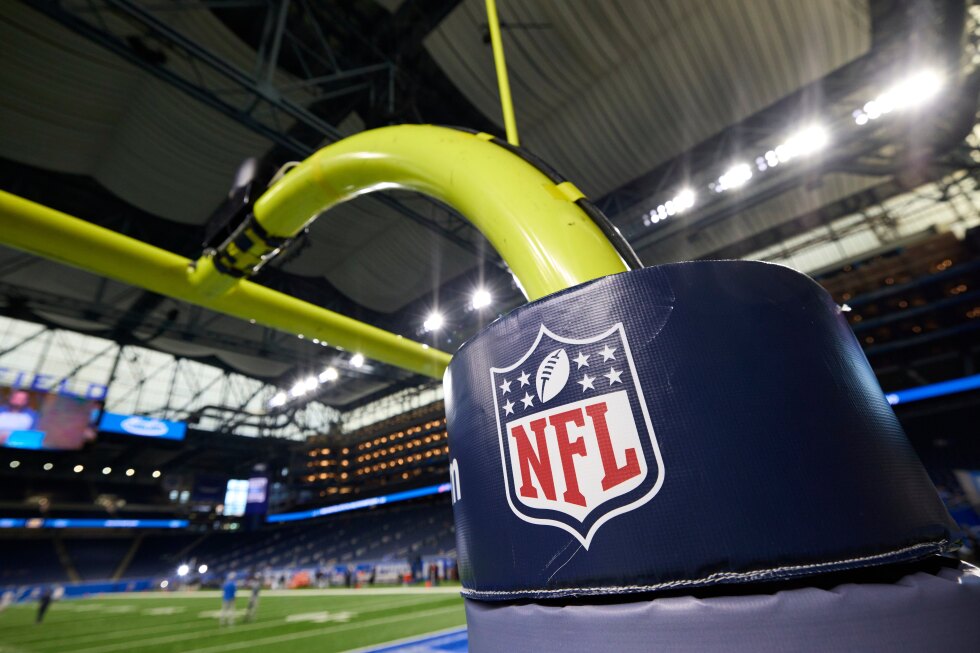
In a move that underscores the growing examination of sports broadcasting practices, the U.S. Department of Justice is delving into the National Football League’s (NFL) business operations to determine if they engage in anticompetitive behavior. This investigation aims to assess the impact of the NFL’s practices on consumer affordability and market fairness, a source familiar with the matter disclosed under anonymity.
While the investigation has not been formally communicated to the NFL, two other insiders confirmed the league’s current lack of notification, maintaining confidentiality due to the legal implications involved.
This inquiry aligns with heightened federal interest in the financial burden borne by sports enthusiasts for televised sports. The Federal Communications Commission (FCC) is actively soliciting public opinion on the migration of live sports from traditional broadcast channels to streaming platforms. For more on this, visit the AP News article.
In response, the NFL highlighted that over 87% of its matches remain accessible on broadcast TV, with all local games reaching their respective markets. “The NFL’s media distribution model is the most fan and broadcaster-friendly in the entire sports and entertainment industry,” stated the league.
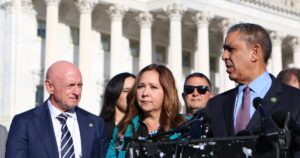
Senator Mike Lee, who chairs the Senate judiciary subcommittee on antitrust, has prompted the Justice Department and the Federal Trade Commission to scrutinize the NFL’s media strategies against the Sports Broadcasting Act. This legislation allows teams to collectively license broadcasts, providing limited antitrust immunity. In his correspondence, Lee emphasized, “The modern distribution environment differs substantially from the conditions that precipitated this exemption.”
Lee further highlighted the substantial financial outlay by football fans on cable and streaming services, citing a Forbes estimate of $765 for full NFL game access last season. The league’s extensive broadcasting partnerships include major networks and streaming giants like CBS, NBC, ABC/ESPN/ESPN+, Fox, NFL Network, Amazon Prime Video, Netflix, and YouTube TV.
Despite the NFL’s lucrative media revenue, averaging $11 billion annually, the league’s right deals extend through the early 2030s, with an opt-out possibility in 2029. Given that NFL games accounted for a significant portion of top broadcasts, this clause presents strategic leverage for future negotiations.
Legal nuances surrounding the Sports Broadcasting Act, which primarily covers broadcast television, are also being reexamined. Previous court rulings indicate the exemption does not apply to cable, satellite, or streaming services.
Efforts to reassess antitrust exemptions for major sports leagues have gained traction, with a recent House Judiciary Committee initiative seeking insights from the NFL, NBA, NHL, and MLB on their broadcasting rights strategies.
The backdrop to these developments includes a previous legal challenge where a jury found the NFL in violation of antitrust laws concerning the distribution of out-of-market games. However, a federal judge later overturned the verdict, citing flawed witness testimony.
For more updates on NFL-related news, visit the AP NFL hub.