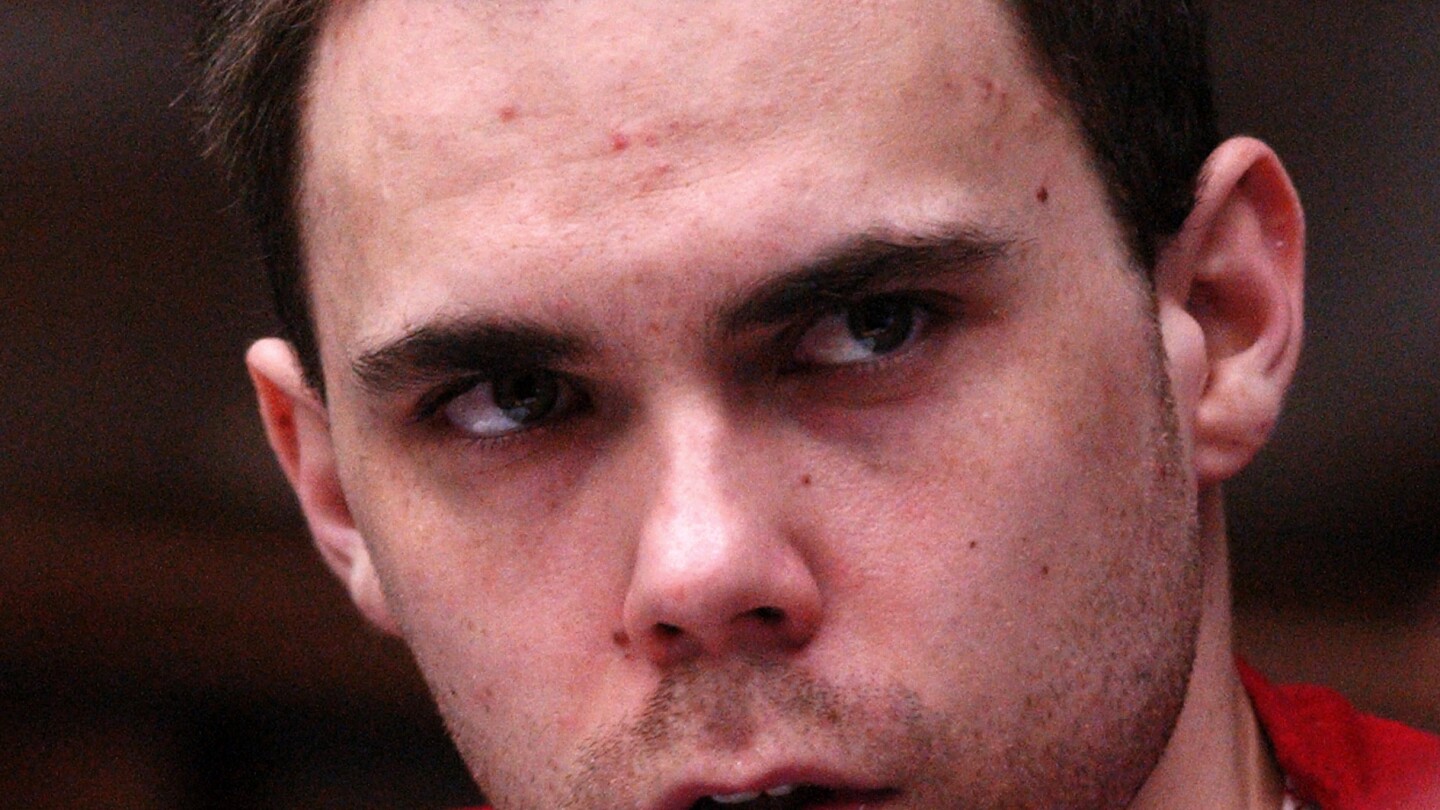
In a complex legal battle, attorneys for South Carolina death row inmate Stephen Bryant are urgently working to halt his impending execution, scheduled for later this month. Their argument hinges on the claim that the judge who sentenced Bryant to death did not have the opportunity to consider the extent of brain damage he suffered due to his mother’s substance abuse during pregnancy.
Bryant, now 44, is facing execution for the 2004 murder of Willard “TJ” Tietjen. Investigators allege that after shooting Tietjen, Bryant committed horrific acts, including burning the victim’s eyes and painting taunting messages in blood on the walls. Prosecutors have also linked Bryant to the deaths of two other men during a violent spree that terrorized Sumter County that same year.
The state maintains that the series of crimes were calculated and not impulsive actions of a man with a damaged brain. They argue that Bryant’s actions were deliberate and that he took pleasure in the fear he instigated, including taunting Tietjen’s family over the phone.
In their final appeal to the South Carolina Supreme Court, Bryant’s defense team is highlighting a lack of consideration for his Fetal Alcohol Spectrum Disorder. They assert that Bryant’s original defense did not adequately detail how his condition impaired his ability to follow the law.
Court documents reveal that Bryant did not receive a comprehensive brain scan before his trial in 2008, which could have shown prenatal brain damage.
Further support for Bryant’s appeal includes a 2024 interview with a clinical psychologist, in which Bryant recounts childhood abuse by numerous individuals, including family members and people in his community.
Prosecutors argue against reopening the case with new defenses, asserting that the crimes’ premeditated nature and Bryant’s actions during the murders demonstrate calculated malice rather than mental illness.
Prosecutors stated, “Bryant was methodical, cunning, and took pleasure in deadly rampage including the gratuitous infliction of horror on Mr. Tietjen’s family.” They underscore that delaying his execution could undermine the justice system’s integrity.
Beyond the legal appeals, Bryant holds the option to petition the governor for clemency, a decision that would come last-minute if granted. Historically, no governor in South Carolina has ever granted clemency under modern death penalty laws.
Bryant is set to become the third individual executed by firing squad in South Carolina this year, a method reinstated after a 13-year hiatus due to difficulties in obtaining lethal injection drugs. Only a few executions by firing squad have occurred in the U.S. since 1977, all in Utah.
His execution will mark the seventh in South Carolina since the state resumed capital punishment in September 2024. While most inmates have chosen lethal injection, Bryant will face the firing squad, where a hood is placed over his head, and three volunteer executioners fire from 15 feet away.