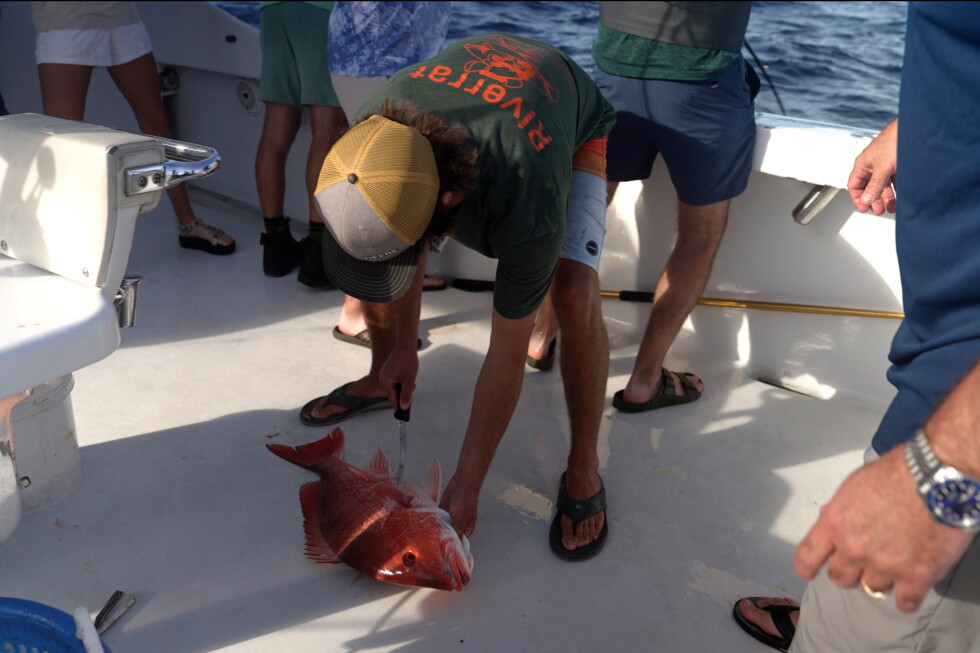
Off the coast of St. Augustine, Florida, a battle unfolds not just beneath the waves but also in the courts. Chris Kemp, a recreational fisherman, reels in a hefty red snapper, only to watch it returned to the sea, following federal regulations designed to protect the fish population. This scene highlights a larger struggle over the management of red snapper fishing, with legal and environmental implications.
The red snapper, a prized catch for its flavor and fight, has become a focal point in a contentious dispute involving anglers, commercial fishers, and environmental groups. This conflict has stalled a plan for an extended fishing season, emblematic of broader debates over the Trump administration’s regulatory changes to fishing laws.
In an effort to loosen federal oversight, the National Oceanic and Atmospheric Administration (NOAA) issued special permits in May, exempting certain states from restrictions under the Magnuson-Stevens Act. However, this decision was blocked by a federal judge, citing environmental concerns.
Florida’s Governor Ron DeSantis, along with officials from other southeastern states, has pushed for state control of snapper management. They argue this would uphold anglers’ rights to fish, while NOAA’s plan proposed a 39 to 62-day season with specific catch limits. The decision was anticipated to herald the longest snapper season in recent memory, but legal challenges intervened.
Legal Tensions Surface as Fishing Season Is Halted
The legal battle erupted just before the planned May 22 opening of the season. U.S. District Judge Rudolph Contreras issued an injunction, relying on data from Ocean Conservancy, which warned of potential overfishing. The nonprofit’s estimates suggested recreational fishing might exceed sustainable catch numbers by up to 20 times in Florida alone.
Reactions were swift and polarized. Florida wildlife officials criticized the judicial decision as overreach, while some involved in the lawsuit faced backlash and threats amid accusations from Governor DeSantis of monopolizing quotas.
Commercial fishermen, like North Carolina’s Jeff Oden, argue they face increasing pressures from imports and costs. They fear that increased recreational fishing could deplete snapper stocks before their commercial season commences. “We’re vanishing,” Oden remarked, emphasizing consumer impacts.
Assessing the Fishery’s Health
Disagreements persist over the snapper population’s health. NOAA research suggests a quarter of released fish perish despite survival techniques like venting to help them return to deep waters. Contrarily, anglers report robust fish numbers, with Kemp’s team catching multiple snapper within minutes.
“To be completely honest, we have never seen an unhealthy stock,” said Haley Stephens, who runs a charter boat in Florida. Yet, scientists caution that what appears as abundance may actually be young fish, not fully mature or reproductively peak, as explained by Ocean Conservancy’s Meredith Moore.
With NOAA declining to comment due to ongoing litigation, the agency continues to collaborate with fisheries managers nationwide. This aligns with the goals of President Trump’s executive order on seafood competitiveness.
Judge Contreras criticized the states for not providing independent harvest data, relying instead on contested federal estimates. Despite frustrations, Oden stresses the necessity of shared conservation responsibilities. “There’s only so many fish to go around,” he noted.