The tragic death of Elijah McClain in 2019 continues to echo through the judicial system and the streets of Colorado, as recent developments bring new attention to the case. The court’s decision to overturn homicide convictions against two paramedics marks another twist in a saga that has sparked questions about the use of force and medical intervention in law enforcement encounters.
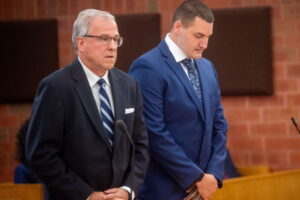
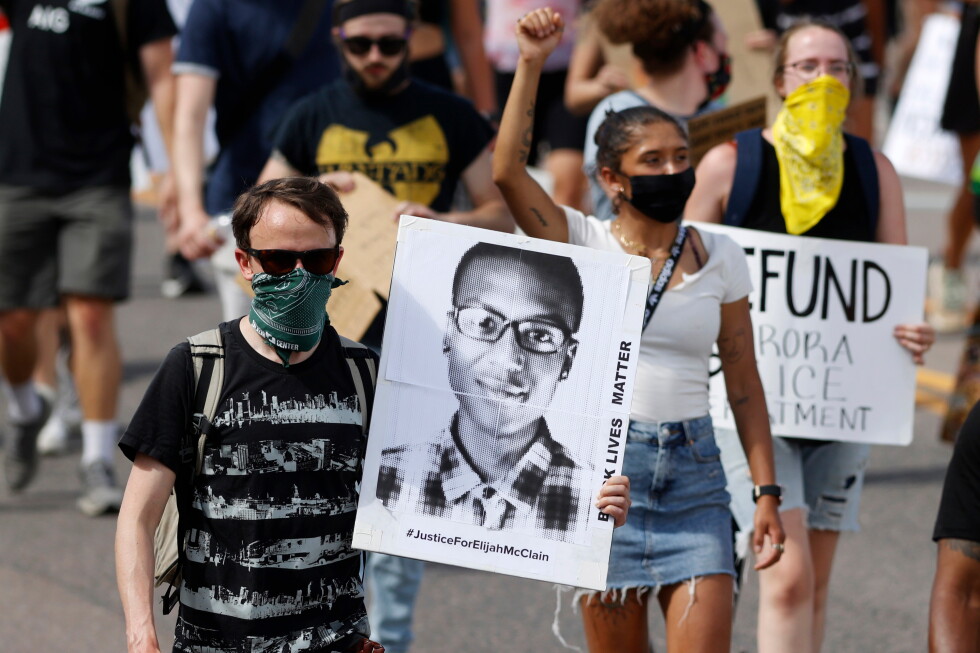
An appeals court in Colorado has vacated the homicide convictions of paramedics Jeremy Cooper and Peter Cichuniec, who played a role in the death of Elijah McClain. McClain, a 23-year-old Black man, passed away after being restrained by police and administered a lethal dose of ketamine. His final words, “I can’t breathe,” eerily mirrored those of George Floyd and became rallying cries during the social justice movements of 2020.
New Trials Ordered for Paramedics
The court has ordered new trials for Cooper and Cichuniec, members of Aurora Fire Rescue, who were previously found guilty of criminally negligent homicide. The original incident occurred when McClain was stopped by police responding to a report of a suspicious individual. During the encounter, he was placed in a neck hold and subsequently injected with ketamine by the paramedics.
Legal actions against emergency responders in such contexts are unusual, but McClain’s case has prompted widespread scrutiny of ketamine’s use in subduing suspects. This prosecutorial approach has created unease among first responders across the nation. University of Miami criminologist Alex Piquero noted that the renewed trials will keep this issue in public view, potentially influencing the actions of first responders in similar situations.
“At 11 o’clock tonight when they’re on a call, and the circumstances are the same, is this going to influence their behavior?” Piquero asked. “It may not be the first thing that comes into their heads, but it’s going to be there.”
Appeals and Sentencing
A jury had initially convicted Cooper and Cichuniec, with Cichuniec also found guilty of second-degree felony assault. Cichuniec was sentenced to five years in prison, whereas Cooper received 14 months in jail with probation. However, the appeals court upheld Cichuniec’s assault conviction while raising issues with jury instructions related to the homicide charges, prompting a retrial.
In response to the appeal court’s decision, Colorado Attorney General Phil Weiser announced plans to challenge the ruling. “Bringing these cases to trial was the right thing to do for justice, for Elijah McClain, and for healing in the Aurora community,” Weiser stated.
While Cichuniec was released early from prison in 2024, his sentence was reduced to probation due to “unusual and extenuating circumstances” as cited by Judge Mark Warner, considering the urgency of the decisions made during the incident.
Broader Implications and Community Response
The International Association of Fire Fighters expressed support for the paramedics, acknowledging the difficult decisions made under pressure. Edward Kelly, the association’s president, commented on the ruling’s recognition of the challenges faced by paramedics in high-stakes situations.
Initially, local prosecutors refrained from filing charges due to inconclusive autopsy results. However, a subsequent investigation instigated by Governor Jared Polis led to a grand jury indictment after the autopsy findings were revised, attributing McClain’s death to ketamine.
The city of Aurora agreed to a $15 million settlement with McClain’s family for a civil rights lawsuit. Despite the appellate court’s ruling, the community remains divided. Activist MiDian Shofner articulated the ruling’s impact, questioning what accountability means when faced with such tragic circumstances.
For further reading on the new trials ordered for the paramedics, visit the Associated Press.