In a significant legal development, Minnesota school districts and the state’s primary teachers union have joined forces to challenge a federal policy change that has lifted restrictions on immigration enforcement in sensitive areas like schools. This policy shift, initially instituted by the Trump administration, has sparked controversy and concern among educators and communities alike.
Legal Battle Over Immigration Enforcement
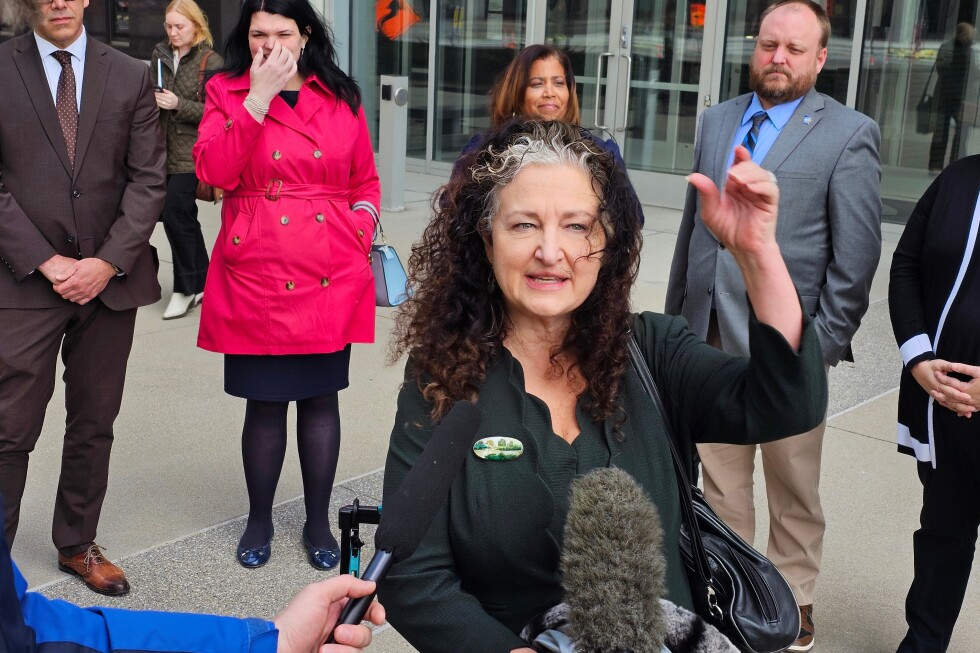
Attorneys for the Fridley and Duluth school districts, alongside Education Minnesota, appeared before a federal judge in St. Paul this Wednesday. They sought a judicial intervention to halt the Department of Homeland Security’s decision to remove longstanding limitations on immigration operations near schools, churches, and hospitals. These locations were previously designated as off-limits for immigration actions except under exceptional circumstances.
The legal action comes after the Department’s Operation Metro Surge, which deployed approximately 3,000 federal officers to Minnesota, resulting in the deaths of two citizens in Minneapolis earlier this year. The plaintiffs are requesting either a stay or a preliminary injunction to revert to the previous enforcement restrictions.
Impact on Schools and Communities
The policy shift has had profound effects on schools and communities. Fridley Superintendent Brenda Lewis noted a “deep impact” on school attendance, as fears about safety prompted many families to keep their children at home. The district has reported a loss of 72 students since December, which has affected funding tied to student enrollment and meal services.
In Duluth, Superintendent John Magas highlighted that the repercussions of the policy change were felt well before the surge, despite the district’s distance from the Twin Cities. Absenteeism spiked across multiple districts, with St. Paul and Minneapolis schools seeing significant numbers of students staying home during January.
Legal and Political Implications
The arguments presented to U.S. District Judge Laura Provinzino focused on whether the districts and the union have the legal standing to challenge the policy change and if the new guidance qualifies as a final agency decision subject to judicial review. Jessica Lundberg, an attorney for the Justice Department, argued that reinstating the prior restrictions might not significantly alter enforcement actions, as schools were never completely exempt under the old rules.
The situation has also fueled broader political debates, with Democrats urging federal authorities to cease enforcement activities around sensitive locations. This demand remains a contentious point in ongoing negotiations over Homeland Security funding between Congress and the administration.
While the official end of Operation Metro Surge has meant a temporary reprieve for some areas, the long-term implications for Minnesota school districts and their communities remain uncertain. As the legal proceedings continue, educators and families await the court’s decision with bated breath.