Pima County Embraces New DNA Technology to Reinvestigate 1979 Cold Case
Decades-old mysteries can often seem unsolvable, but the Pima County Sheriff’s Department is proving otherwise as they delve into a cold case from the late 1970s with the aid of cutting-edge DNA technology.
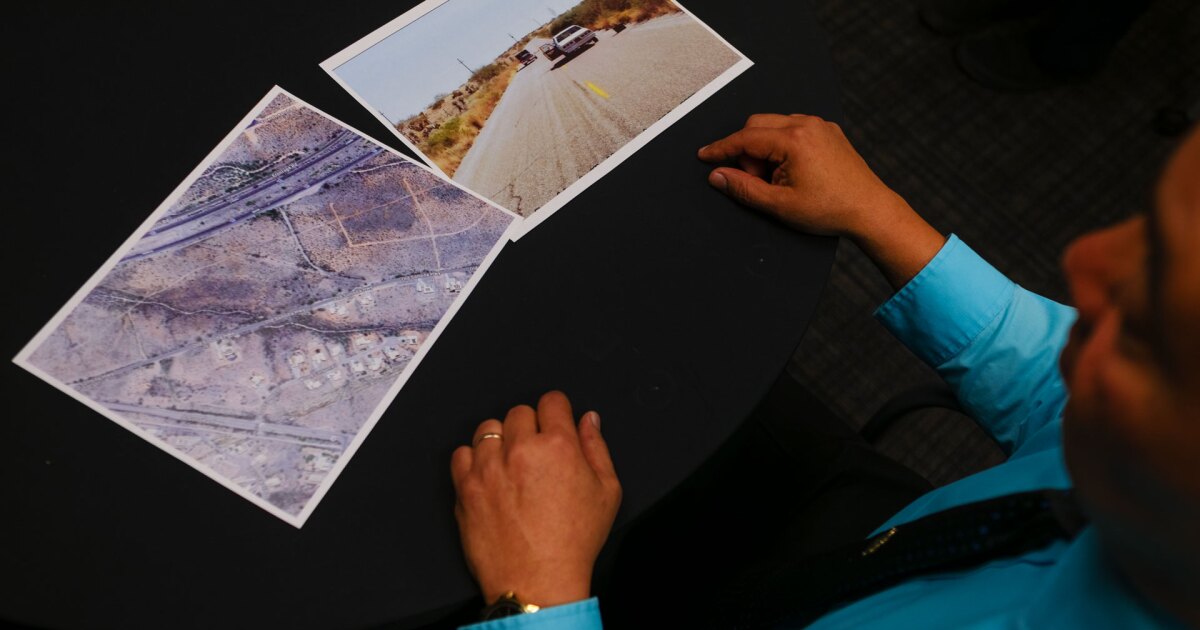
The case involves a female victim, believed to be around 17 years old and of Honduran descent, whose body was discovered near I-10 outside Tucson in 1979, bearing gunshot wounds. Despite extensive efforts, the identities of both the victim and her assailant have remained unknown until a recent breakthrough offered fresh hope.
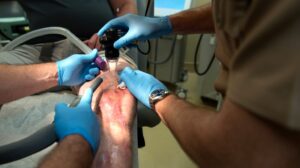
Detective Miguel Flores from the Pima County Sheriff’s cold case unit shared insights into the new approach, which employs forensic investigative genetic genealogy. Flores explained, “So these cases that have sat unresolved for years are now being re-approached, and rather than target the individual, we’re targeting the family tree of the individual.”
The team managed to connect the victim’s DNA with a potential relative who had submitted their DNA to an at-home genealogy service, such as 23&Me or Ancestry.com, and consented to law enforcement access. This method surpasses older technologies that required an exact DNA match to be in the database.
The investigation is now entering a more complex phase, which could span several months. The Sheriff’s Department, in collaboration with the FBI, is working to determine the degree of relatedness between the victim and her possible relative. This process will also involve international genetic databases, given the limited regional data available. Flores noted, “The investigative lead we have right now appears to be from the same region [as the victim]. The issue is that the database we have for that region is very very limited right now.”
Further genetic analysis will be conducted to expand on this lead, with the aim of uncovering more about the case. In addition, the National Center for Missing and Exploited Children recently published a new artist’s rendering of the victim, offering another potential avenue for identification.
This investigation is just one of over 200 cold cases currently under review by the department, as they leverage advancements in DNA technology to bring long-awaited answers to unresolved cases.