On the occasion of Juneteenth, a significant day marking the end of slavery in the United States, the Obama Presidential Center is set to welcome the public for the first time. Situated in Chicago’s South Side, this center pays homage to the nation’s first Black president and aims to motivate individuals to enact change within their communities.
Opening of Obama’s Presidential Center
The Obama Presidential Center’s unveiling coincides with Juneteenth, a holiday commemorating the arrival of Union troops in Texas on June 19, 1865, who declared all enslaved people free. The center, spanning nearly 20 acres, features a museum, a garden designed by Michelle Obama, a basketball court, and a branch of the Chicago Public Library.
Events are scheduled throughout the week, including a dedication ceremony. Louise Bernard, the museum’s director, emphasizes the center’s mission to inspire visitors to “bring change home,” encouraging personal reflection and community engagement.
Significance of Juneteenth
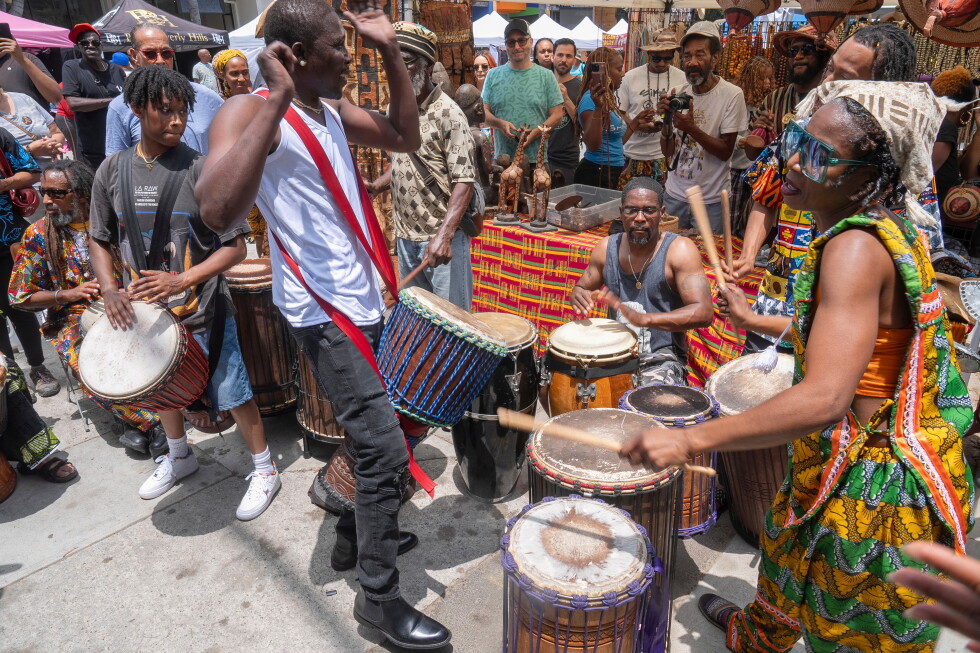
Juneteenth has been recognized as a federal holiday for five years, thanks to efforts by individuals like Opal Lee, who is often called the “grandmother of Juneteenth.” The holiday, which originated in Texas, is a blend of “June” and “nineteenth,” the day when freedom was declared in Galveston. Celebrations typically include parades, picnics, and music, reflecting a rich history of community empowerment among Black Americans.
W. Caleb McDaniel, a Rice University professor, notes that Juneteenth not only commemorates the end of slavery but also highlights the ongoing struggle for equality in America.
National Celebrations
Across the country, Juneteenth is celebrated with various events. Galveston will host a daylong gathering with music and fireworks, while Houston will feature musical performances and a domino tournament. Other cities, including Atlanta and Los Angeles, will also host parades and festivals.
Several walks across the U.S. will honor Opal Lee, with participants covering 2 1/2 miles to symbolize the delay in enforcing the Emancipation Proclamation in Texas.
Reflections on History
Juneteenth provides an opportunity to reflect on America’s complex history, as Corey D. B. Walker from Wake Forest University suggests. It is a time to acknowledge the contributions of Black Americans and the importance of understanding a comprehensive narrative of the nation’s past.