Complexities in Poland’s Judicial Reform Efforts
In Poland, the ambition to dismantle judiciary control established by previous nationalist leaders has faced numerous challenges under the current government led by Donald Tusk. Despite the initial optimism, reversing the previous administration’s influence over judicial institutions has proven to be more intricate than anticipated.
From 2015 to 2023, the Law and Justice party (PiS) secured their hold on the judiciary by appointing aligned judges to higher courts and exerting pressure on dissenting voices through disciplinary measures. They also aligned the Constitutional Tribunal such that a PiS-friendly president could delay governmental initiatives under constitutional review. This has resulted in condemnation from European courts and created confusion within Poland’s legal system. However, attempts to reverse these changes remain hindered by two consecutive PiS-supportive presidents.
Poland’s political landscape is marked by a stark divide between urban, pro-European Union supporters of Tusk and conservative factions backing PiS. This division is further exacerbated by the stalled judicial reforms. Tusk’s promise to address these issues saw a setback when Justice Minister Adam Bodnar was removed in July, citing insufficient progress. “All those dreams have faded away by now and we can forget about them,” Bodnar expressed to the Associated Press.
Judiciary Under Scrutiny
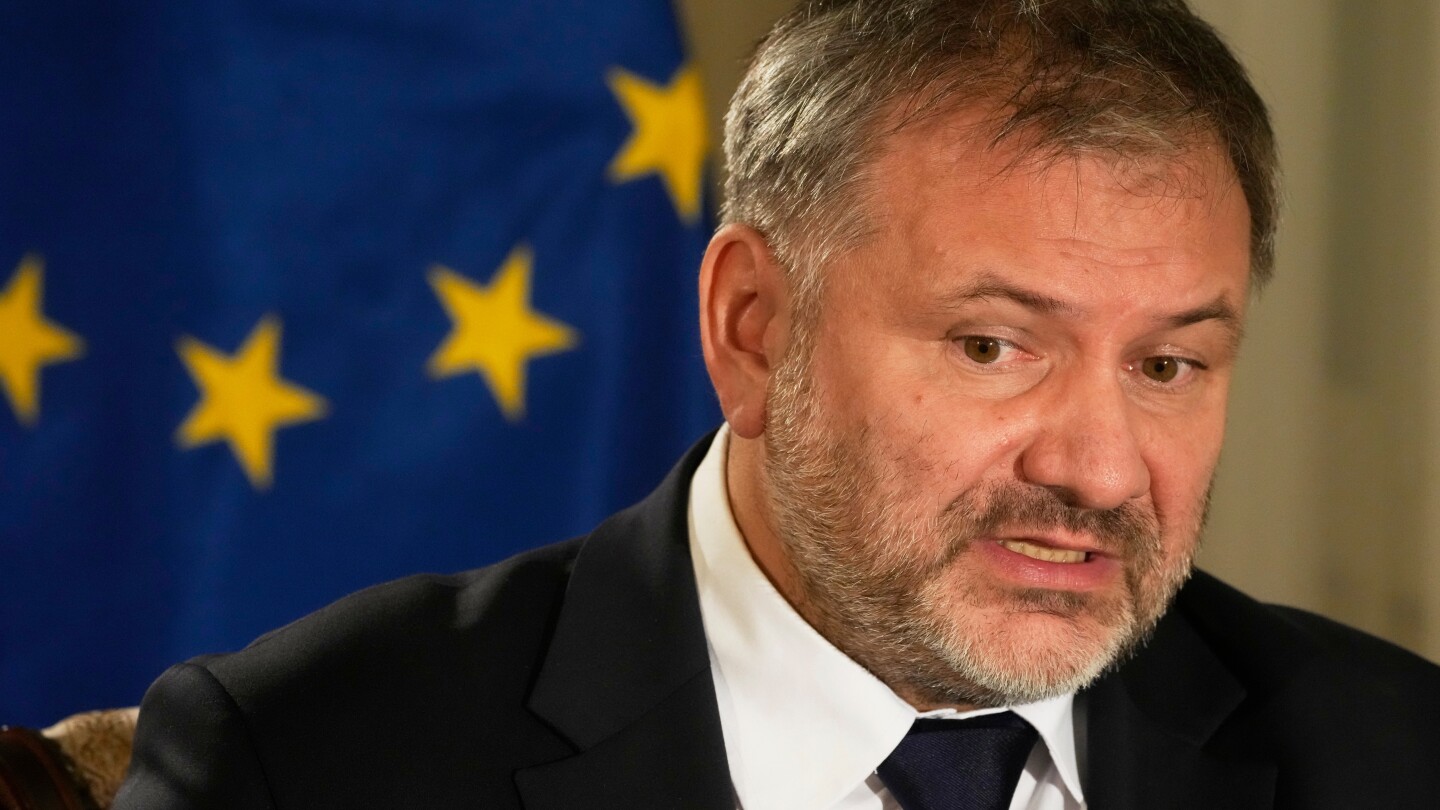
Waldemar Żurek, who succeeded Bodnar, is recognized for his stance against the PiS’s judicial reforms. In a recent development, Żurek announced that prosecutors were prepared to file charges against former Justice Minister Zbigniew Ziobro, accusing him of misusing funds meant for victims, including the acquisition of Israeli Pegasus surveillance software (source). Tusk’s party alleges that Pegasus was employed for unlawful surveillance of political adversaries, though Ziobro maintains his actions were within legal boundaries.
Żurek is well aware of the potential repercussions should PiS regain power in upcoming elections. He has openly discussed the possibility of imprisonment, stating, “it would be an honor,” as he vows not to let power abuse go unpunished, even under threat of incarceration.
Presidential Veto and Legislative Hurdles
Efforts to reform the judiciary hinge on legislative approval, which must also pass presidential scrutiny. The coalition initially viewed their cohabitation with President Andrzej Duda, a PiS affiliate, as a temporary hurdle until the end of his term in August 2025. During his tenure, Bodnar proposed legislative drafts and engaged in negotiations with the president’s office, yet Duda remained steadfast.
Bodnar’s agenda included reinstating the independence of the National Council of the Judiciary (KRS), a body responsible for judicial appointments, which was put under party control by PiS in 2018 (source). Despite these efforts, an independent candidate supported by PiS, Karol Nawrocki, narrowly won the presidential election in June, a setback attributed to the coalition’s failure to restore judicial independence.
Nevertheless, Bodnar managed to achieve some reforms, including removing PiS-appointed court presidents and concluding disciplinary cases against independent judges. However, the coalition felt a more assertive approach was necessary, leading to Żurek’s appointment.
Żurek’s Approach and Continued Challenges
Following Nawrocki’s election victory, Żurek proposed comprehensive measures to address the judicial system. Nonetheless, indications from the president’s office suggest likely vetoes. Nawrocki has indicated he will not promote judges who opposed PiS’s judicial changes. Żurek prefers dialogue to resolve what he calls the “Polish-Polish war.”
With legislative progress impeded, Żurek’s office is focusing on legal actions against PiS allies, a strategy summarized by legal expert Jakub Jaraczewski: “We will go after the ‘bad guys’ and we will make them pay.” Even absent convictions, the exposure of power abuses is deemed crucial for voter awareness.
Looking Ahead and Broader Implications
Nawrocki’s election implies that a PiS coalition could potentially win future elections. The question remains whether Tusk’s coalition has fortified judicial independence enough to prevent retribution from PiS, should they return to power. Żurek remains committed, even at personal risk.
For sustained progress, Jaraczewski points to the need for a broader conversation about safeguarding democracy, highlighting similar concerns in Hungary and the United States (source). He argues that constitutional frameworks must be strengthened against political overreach. “Political polarization makes protecting the rule of law harder,” he notes, emphasizing the importance of reducing polarization and educating the public.
Żurek advocates for engaging beyond one’s political base, encouraging dialogue with those not versed in legal discourse but who participate in elections and may be susceptible to political rhetoric.