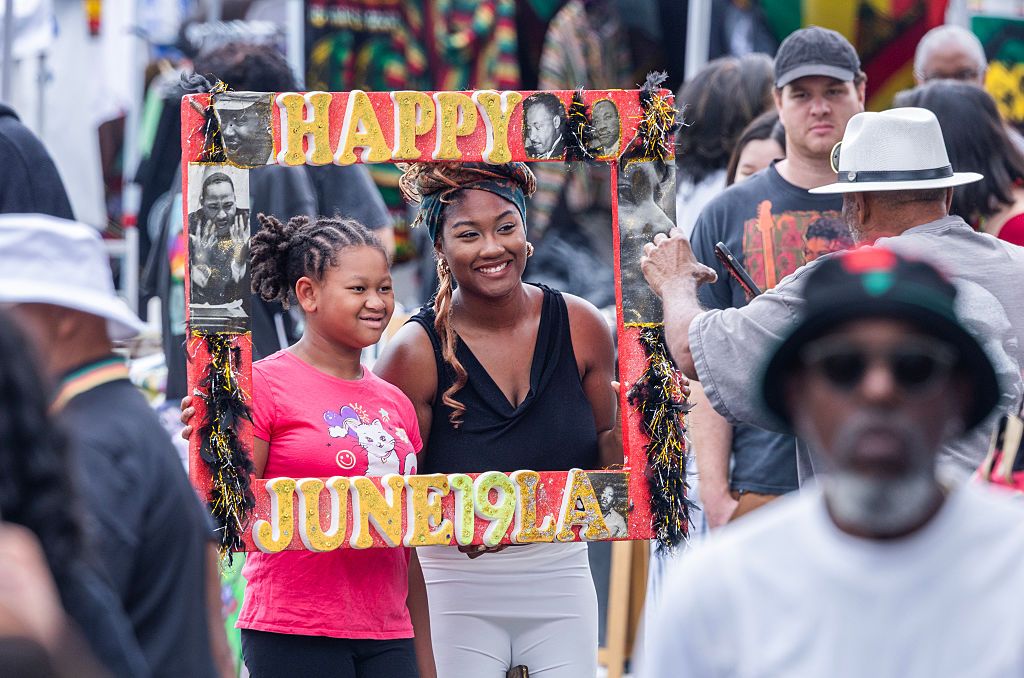
A Reflection on Juneteenth: Freedom’s Continuous Struggle
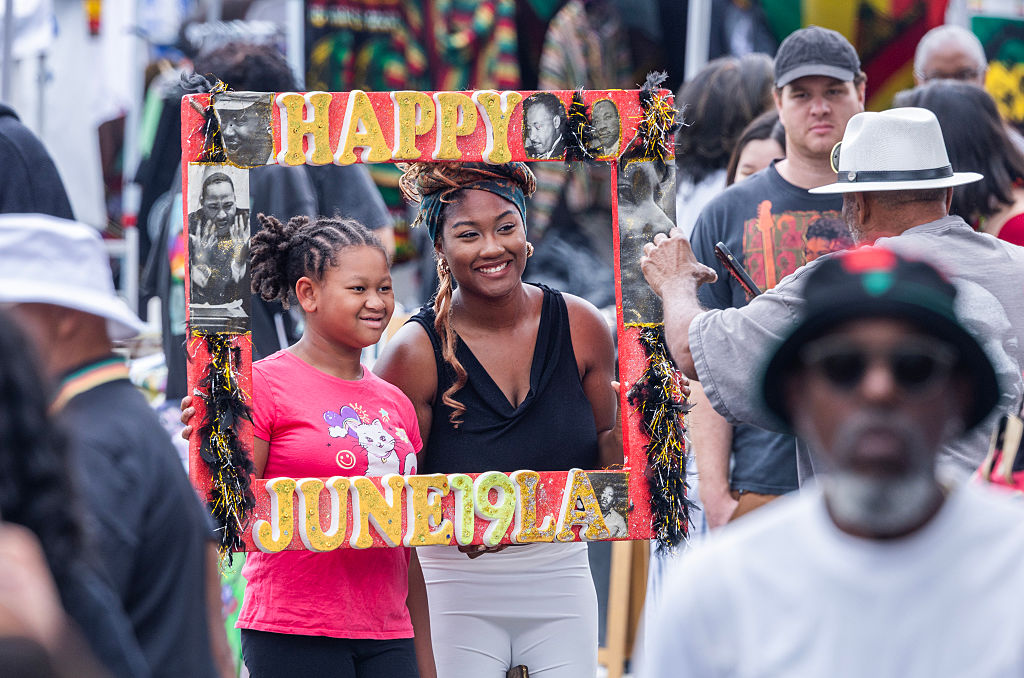
As Juneteenth becomes a more widely recognized holiday, it serves as a poignant reminder of the ongoing journey towards freedom and equality. While many celebrate with gatherings and festivities, the day’s deeper significance calls for reflection on the enduring fight for liberation and justice, emblematic of the challenges that still persist.
Congressman John Lewis, known for his relentless pursuit of civil rights, epitomized this struggle. From his courageous march across the Edmund Pettus Bridge in 1965 to witnessing the Voting Rights Act’s signing, Lewis dedicated over 50 years to advocating for Black Americans’ rights. Sadly, he also saw significant parts of this landmark legislation undone in a much shorter span than it took to establish.
Lewis, the youngest speaker at the 1963 March on Washington, stood alongside Dr. Martin Luther King Jr. to demand voting rights for Black Americans. His enduring legacy is a testament to understanding that true freedom requires ongoing effort. As Lewis poignantly noted, “Freedom is not a state; it is an act… it is the continuous action we all must take, and each generation must do its part to create an even more fair, more just society.”
Juneteenth marks the day in 1865 when federal troops arrived in Galveston, Texas, announcing the end of slavery in the Confederacy, two and a half years after the Emancipation Proclamation. However, the struggle was far from over as new obstacles, such as the Black Codes, quickly emerged to undermine these newfound freedoms.
Legal scholar Derrick Bell’s theory of “interest convergence” describes how Black Americans’ rights are often recognized only when they align with the interests of those in power. This pattern of fleeting progress followed by regression has been evident throughout history, most notably during Reconstruction.
The post-Civil War era saw the passage of the 13th, 14th, and 15th Amendments, which abolished slavery, granted citizenship, and secured voting rights for Black Americans. Despite these advancements, Southern states implemented poll taxes and literacy tests to bypass these rights, drastically reducing Black voter registration by the early 20th century.
The Voting Rights Act of 1965 eventually restored these voting rights, but its effectiveness was curbed by a 2013 Supreme Court ruling, illustrating the cyclic nature of progress and rollback that persists today. This pattern extends beyond voting rights, affecting various aspects of civil rights and social justice.
Under recent administrations, rollbacks have impacted civil rights protections, with significant effects on Black women in the workforce. The dismantling of diversity initiatives and federal workforce cuts have led to a notable decline in employment rates among Black women, reversing prior advancements.
Research and data collection efforts have also suffered as funding cuts to organizations like NIH and NSF have halted studies on racial disparities, such as Black maternal health. Without this research, systemic issues remain obscured, hindering efforts to address them.
The cultural and historical narratives surrounding Black Americans have also been challenged. From the removal of slavery exhibits in national parks to the controversial reinstatement of Confederate statues, these actions reflect ongoing debates over how history is presented and remembered.
Historian Dr. Mary Frances Berry, who has witnessed these legal and social changes firsthand, emphasizes the importance of continued activism. She believes in the necessity of persisting in the fight for justice, regardless of consensus, citing historical figures like Rosa Parks as exemplars of decisive action.
As we observe Juneteenth, the enduring lesson is clear: the pursuit of freedom and equality is an ongoing endeavor that each generation must embrace. The struggle for justice is not defined by a single victory but by the collective impact of continuous effort and determination.
SEE ALSO:
BLD PWR Is Bringing A 3-Day Juneteenth Celebration To Houston
How To Celebrate Juneteenth While Civil Rights Are Under Threat