Invasive Grasses Threaten Sonoran Desert Ecosystem and Fuel Wildfires
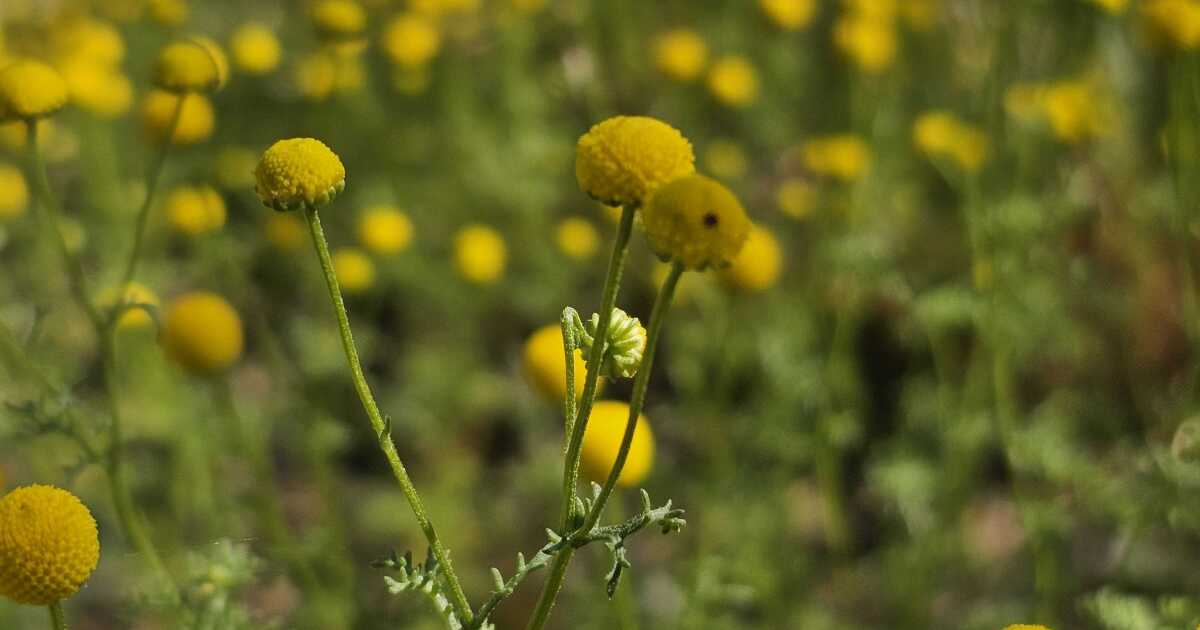
The spread of invasive grasses such as buffelgrass and stinknet is transforming the Sonoran Desert landscape by increasing the risk of wildfires. These non-native plants are filling in gaps between native vegetation, effectively providing a pathway for fires to move through areas that previously acted as natural firebreaks.
To tackle this growing threat, researchers from Arizona’s three state universities have united in an effort to locate and map these invasive species. Their work, supported by a Regents’ Grant from the Arizona Board of Regents in collaboration with the Arizona Department of Forestry and Fire Management, aims to develop methods for managing these grasses and mitigating fire risk.
Learn more about the Regents’ Grant initiative.
Andi Thode, a fire ecology professor from Northern Arizona University, explained the issue: “With the Sonoran Desert being the most biodiverse desert in the world, we also have a large diversity of invasive species that are causing problems.” She noted that invasive species like red brome, buffelgrass, and stinknet are key players in exacerbating wildfire risks.
Lauren Gilger, host of The Show, delved deeper into the matter with Thode and Fabio Albuquerque, an associate professor at Arizona State University. Thode highlighted that in certain years, wildfires fueled by these grasses have burned over 100,000 acres, fundamentally altering the desert ecosystem.
The project aims to fill gaps in knowledge about the location and behavior of these invasive grasses. Albuquerque pointed out, “Knowing where these species are is the first step towards understanding the process.” He emphasized the importance of mapping these areas to help fire managers predict and manage fire risks more effectively.
To achieve this, the team relies on advanced modeling techniques to predict the presence of invasive grasses based on environmental conditions, as explained by Albuquerque. This approach helps overcome the lack of comprehensive field data.
Thode also stressed the importance of experimenting with different treatment strategies to manage these grasses. Traditional methods such as mechanical removal and herbicide application are complemented by novel approaches like targeted propane burning, which minimizes harm to native plants.
“We’re really going to be putting in some experiments on the ground to look at what sort of treatments people can do that would be most effective,” Thode stated. This experimentation includes both monitoring existing treatment efforts and testing new methods in controlled experimental blocks.
Ultimately, the goal is to create a range of effective management options that balance the eradication of invasive species with the preservation of native flora. As Albuquerque noted, mapping high-risk areas allows for targeted interventions, enabling better fire prevention and habitat protection strategies.
“`