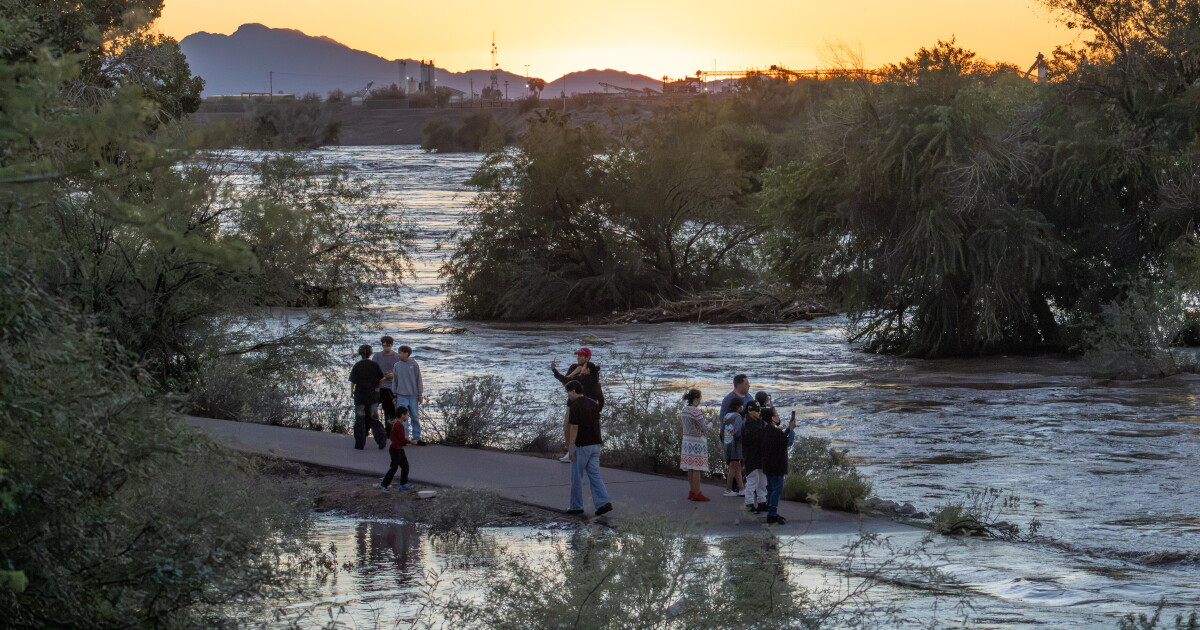
In a city where the Salt River is often a dry, gravelly stretch beneath freeway bridges, a rare phenomenon has transformed it into a vigorous stream. Recent heavy rains have filled its bed with rushing water, marking a striking change from its usual emptiness.
After an extraordinary autumn storm drenched the Salt and Verde watersheds, the reservoirs near Phoenix saw significant inflow. To maintain dam safety, the Salt River Project released substantial water volumes downstream, creating a river wider than a city block through central Phoenix. Click here to read more about the water release.
The Ecological Impact of the Flow
This sudden influx of water is both a blessing and a challenge for the local ecosystem. According to Tricia Balluff, environmental programs manager for Phoenix, “There is a line between what is enough water and what is too much water for the river.”
A segment of the river by the Rio Salado Audubon Center, which relies on city storm drains to sustain native plants, could see increased wildlife activity. However, some flora may be uprooted by the forceful water. “We want to celebrate the good things it brings,” Balluff stated, emphasizing the need for post-flood assessment and habitat restoration.
Native species such as coyote willow are adapted to these surges, bending and rebounding with the water’s ebb. The river’s retreat will leave behind fertile grounds for new growth, benefiting insects and the birds that feed on them.

Historical and Current Management of the River
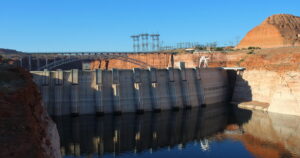
The Salt River’s flow through Phoenix is rare due to extensive damming since the early 20th century. This infrastructure is crucial for water storage, irrigation, and hydroelectricity, limiting the river’s natural flow through urban areas.
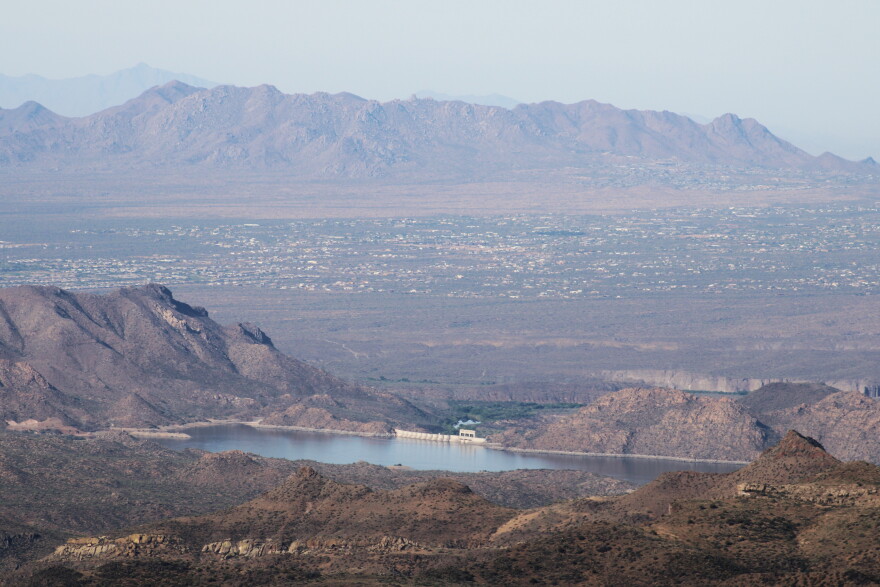
Paul Tashjian from Audubon Southwest noted that desert rivers thrive on this cycle of drought punctuated by floods, which rejuvenate their ecosystems. He remarked, “There’s habitat still within there. That’s sort of the miracle of these Southwestern rivers.”
Residents are encouraged to witness this rare natural event. Balluff highlighted the opportunity to connect with nature, stating, “It’s an exciting thing to be able to do and to notice and just sit and observe and be aware that we are part of nature, and that it is part of us.”