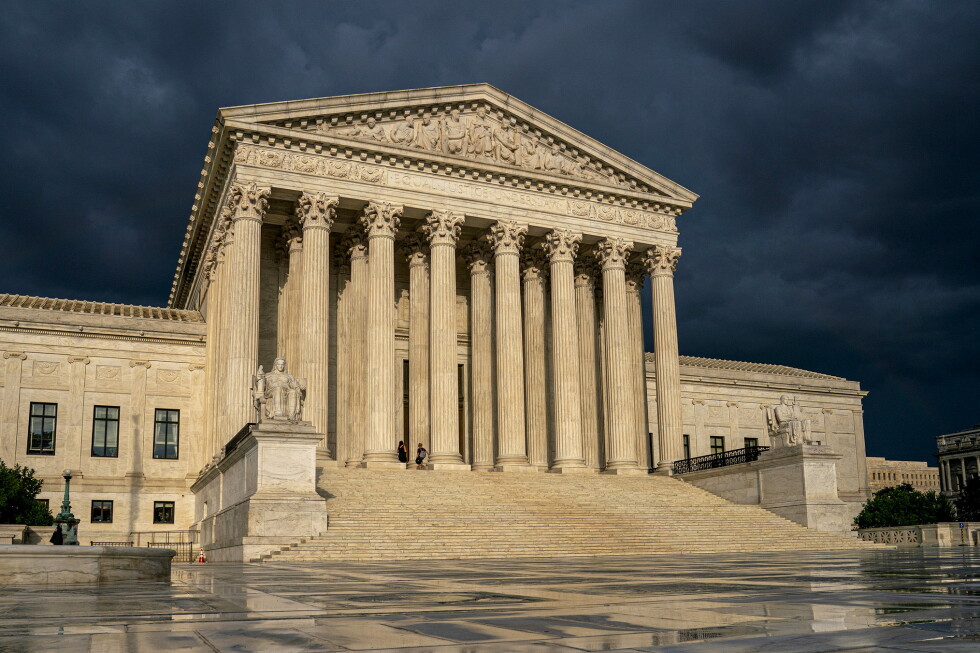
WASHINGTON (AP) — As the Supreme Court gears up for significant rulings on key elements of President Donald Trump’s policies, the nation watches closely. These upcoming decisions will address critical issues such as the definition of American citizenship and the extent of presidential authority over independent federal entities.
The court has already made influential decisions in several major cases. One notable ruling reduced the capacity of minorities to elect their preferred candidates under the historic Voting Rights Act. Additionally, the court found Trump’s global tariffs, imposed using an emergency powers statute, to be unlawful—a legal maneuver not previously employed in such a manner.
Cases impacting the political process, such as those involving the Voting Rights Act and Republican-led challenges to extended mail-in ballot deadlines and political party spending caps, may intensify scrutiny. Critics argue that the conservative majority, appointed by Republican presidents, prioritizes partisan interests over impartial legal principles.
Simultaneously, the court appears to delineate limits on some of Trump’s more assertive initiatives, as evidenced by the tariffs case. This ruling, which challenged a core component of Trump’s economic strategy, prompted a strong reaction from the president, who directed personal critiques at specific justices.