The Trump administration has expedited the enactment of new regulations that expand the authority of the Federal Protective Service (FPS), a division within the Department of Homeland Security. Initially intended to take effect early next year, these rules have been implemented immediately in response to heightened violence, according to government officials.
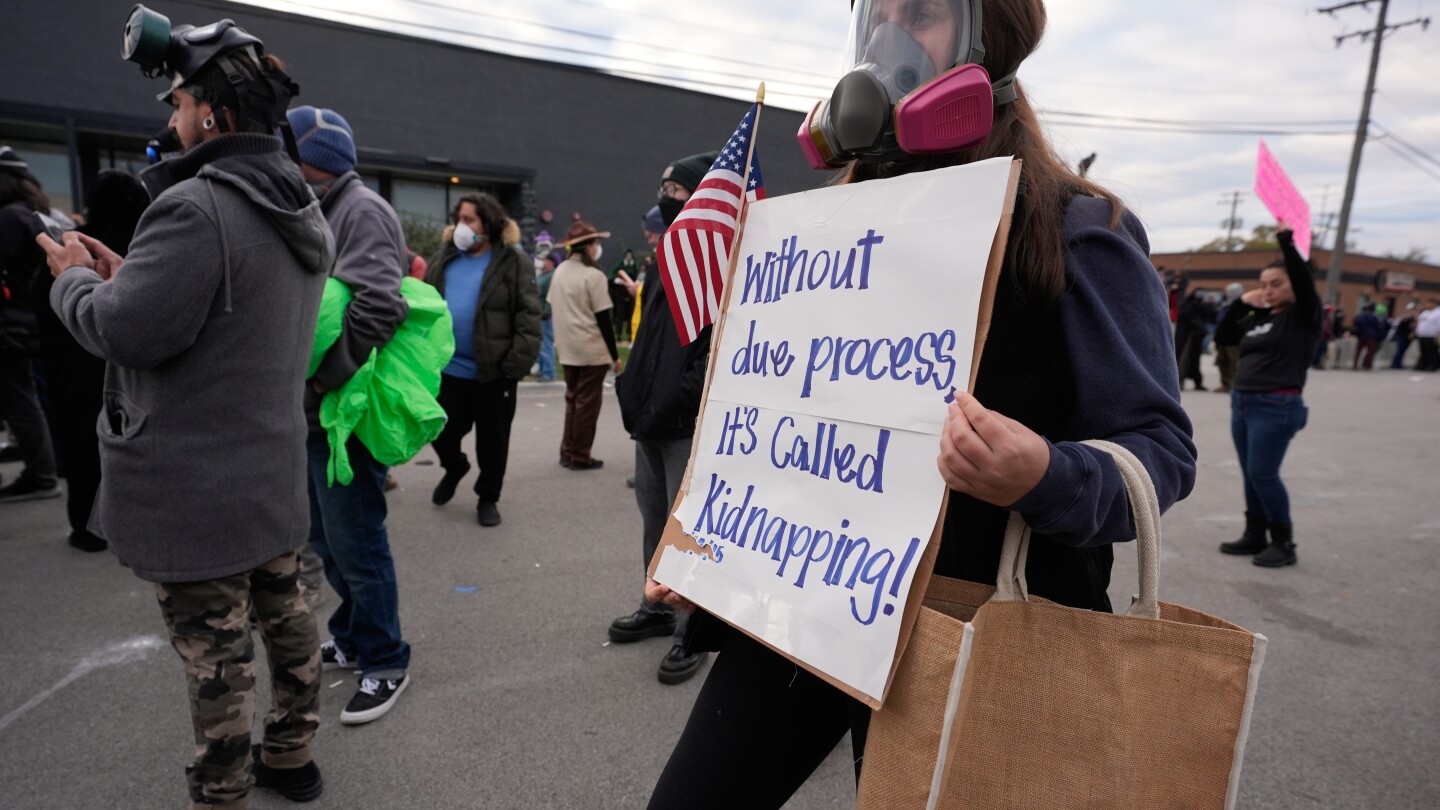
The decision to fast-track these rules coincides with increased protests against President Donald Trump’s immigration policies, particularly around facilities linked to immigration enforcement, such as Immigration and Customs Enforcement (ICE) offices. Legal challenges have also emerged in cities like Chicago and Portland, where the administration faces criticism for allegedly excessive force used by federal agents against demonstrators.
Critics, including activists and political leaders, argue that Homeland Security is aggressively targeting peaceful protesters and activists. They express concerns that the newly enhanced powers could further suppress dissent. “DHS is using every tool possible to protect the lives of our law enforcement as they face a surge in violence and lawlessness at many of our federal facilities,” stated Assistant Secretary Tricia McLaughlin in a news release that referenced a recent shooting at a Dallas ICE facility.
The updated regulations allow FPS officers to arrest and charge individuals for activities near federal property and address issues such as unauthorized drone usage and tampering with digital networks. The Homeland Security announcement detailed specific actions that could now result in charges, including wearing masks during crimes, obstructing access to federal sites, and interfering with government IT systems.
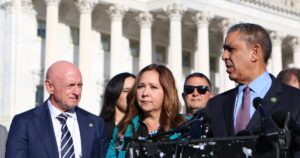
Spencer Reynolds, previously an intelligence lawyer at the Department of Homeland Security and now affiliated with the Brennan Center for Justice, expressed apprehension over these developments. He noted, “I see this as being guidance to go after peaceful protests where they are happening in the vicinity or even not in the vicinity of federal property.” Reynolds highlighted in a report that following the events of September 11, the FPS experienced significant growth, leading to potential overreach due to political pressures.
In Chicago, a federal judge is overseeing a case alleging that federal agents, during an immigration crackdown, used excessive force against journalists and protesters. The judge has decided to limit the use of force by federal agents to protect First Amendment rights, stating that their actions were not justified and their account of events was not credible.
Meanwhile, in Portland, the administration defended the deployment of National Guard troops to manage demonstrations at ICE facilities. However, U.S. District Court Judge Karin Immergut temporarily barred this deployment, citing a lack of credible evidence that protests were out of control before federal intervention.
The Federal Protective Service, responsible for safeguarding federal properties, was originally part of the U.S. General Services Administration. Following the establishment of the Department of Homeland Security post-9/11, the FPS was integrated into this department.