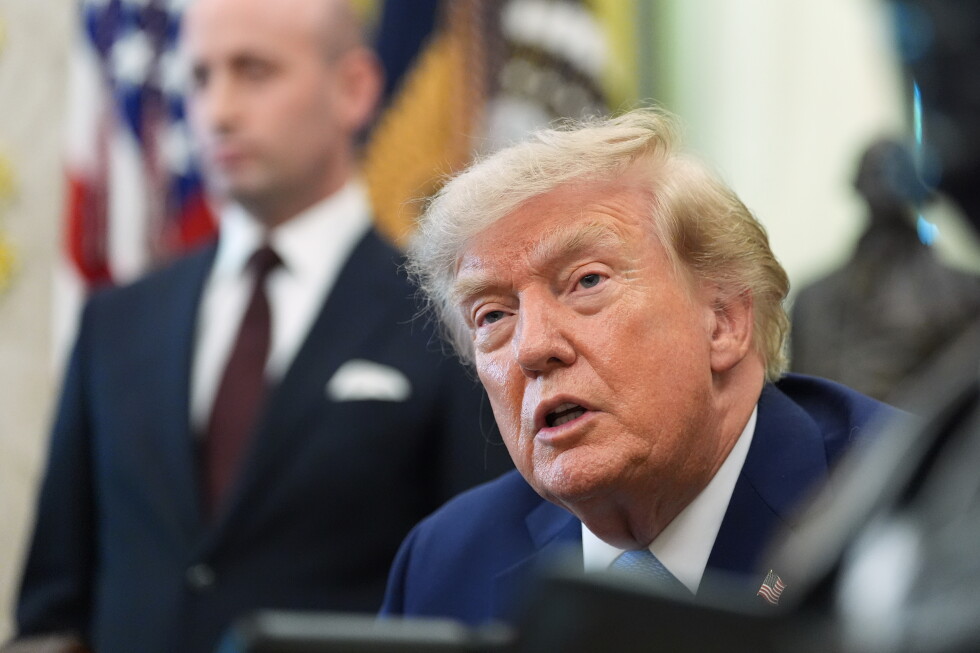
The debate over birthright citizenship in the United States has been reignited as President Donald Trump announces new executive actions targeting specific groups. Despite a previous setback from the Supreme Court, Trump remains determined to alter the current framework of citizenship for those born in the country.
Trump’s Renewed Effort on Birthright Citizenship
In a recent announcement, President Trump revealed his intention to sign two executive orders concerning immigration. One of these orders is designed to limit automatic citizenship to certain individuals born in the U.S., specifically targeting children of foreign diplomats and those deemed “alien enemies.” Additionally, the order seeks to deny citizenship to children whose parents engaged in fraudulent activities to obtain their citizenship status.
Another executive action aims to address what Trump describes as “birth tourism,” by imposing stricter visa regulations for foreign nationals intending to give birth in the United States. Trump expressed confidence in the constitutionality of these measures, despite past legal challenges.
Legal Challenges and Supreme Court Rulings
Earlier this year, the Supreme Court rejected Trump’s previous attempt to restrict birthright citizenship, which sought to exclude children born to undocumented or temporarily present individuals from automatically becoming citizens. The Court upheld the traditional interpretation of the 14th Amendment, which guarantees citizenship to nearly all individuals born on U.S. soil.
On the first day of his second term, Trump signed an executive order aiming to end birthright citizenship, a move immediately met with legal opposition. Critics argued that the order contradicted the 14th Amendment, which has long been understood to confer citizenship with limited exceptions.
Although lower courts blocked the initial order, the Supreme Court ultimately struck it down with a 6-3 decision. The narrow margin of the ruling left many immigration advocates uneasy, as they believe the principle of birthright citizenship should remain unquestioned.
As the debate continues, the implications of Trump’s latest actions are yet to be fully understood. Observers await further legal challenges and potential legislative responses to these controversial executive orders.