In a significant twist in the political landscape, attempts to redraw congressional districts by the Republicans have encountered obstacles in both South Carolina and Alabama. These developments mark a notable challenge to efforts spearheaded by former President Donald Trump to secure a stronger foothold for the GOP in forthcoming elections.
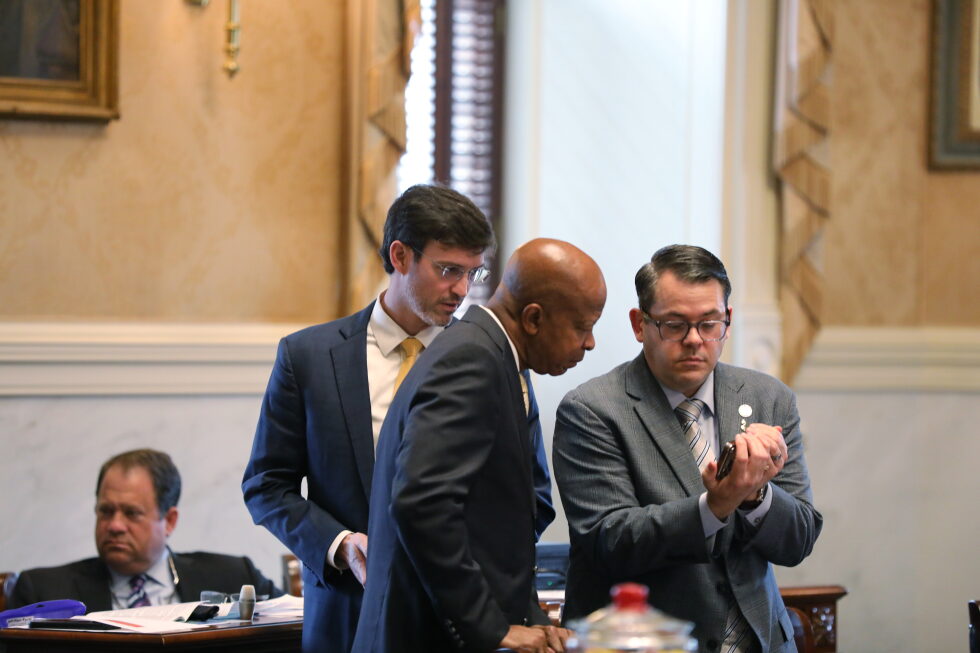
South Carolina’s state Senate dismissed a Republican initiative on Tuesday aimed at postponing congressional votes. The proposal sought to institute new primaries with revised districts, potentially aiding in the removal of a veteran Democrat. The decision coincided with the commencement of early in-person voting in the state’s primaries.
Republican state Sen. Richard Cash articulated the sentiment of some lawmakers, stating, “South Carolina citizens are going to the polls today. And neither my conscience or common sense is going to let me stop an election that is already underway.”
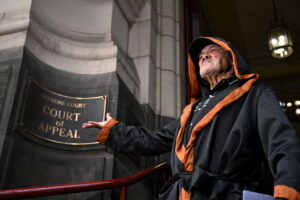
Meanwhile, in Alabama, a federal court intervened by issuing a preliminary injunction against the use of a Republican-drafted congressional map, citing racial discrimination concerns. The map, which favored the GOP by potentially adding a seat, was criticized for having only one Black-majority district. The court has mandated the use of an alternative map that ensures two districts with substantial Black populations.
Alabama Attorney General Steve Marshall, representing the Republican stance, has expressed intentions to appeal the decision to the U.S. Supreme Court, anticipating eventual success.
Despite these setbacks, Republicans have achieved certain victories in other states. In Florida, a judge allowed the use of newly drawn congressional districts by the Republican-led Legislature for the midterm elections. This decision could potentially secure up to four additional seats for the GOP. The ruling followed a lawsuit from voting rights groups, which are planning to continue their legal challenge.
In Tennessee, a federal judge declined to issue a temporary restraining order against a Republican-drafted map accused of racial discrimination. This map alters a majority-Black district in Memphis, increasing Republican chances in the state’s solitary Democratic-held seat.
Ongoing Redistricting Struggles
The endeavor to modify voting districts has been ongoing for 10 months, typically occurring after each census. However, Trump has encouraged early redistricting to counteract potential midterm losses, with efforts extending to states like Texas, Missouri, North Carolina, Ohio, and Tennessee. These initiatives could potentially yield up to 14 new Republican seats, with Alabama’s case adding a possible fifteenth.
Conversely, Democrats foresee gaining seats in California and possibly Utah, despite a setback in Virginia where a redistricting plan was invalidated by the state Supreme Court. Louisiana continues to debate new maps after a court ruling invalidated a majority-Black district, potentially shifting a seat from Democratic to Republican control.
The Congressional Black Caucus has advocated against Republican-led redistricting attempts, urging major corporations to stand against efforts to eliminate majority-Black districts. Additionally, they have called for a boycott by Black athletes of public universities in states pursuing gerrymandering activities.
Political Tensions in South Carolina
As early voting unfolded in South Carolina, over 32,000 votes were cast by midday. U.S. Rep. Jim Clyburn, whose district was targeted for redistricting, remained resolute about running for reelection regardless of any changes. “I’m OK if it’s Trump plus 20,” Clyburn stated, emphasizing his commitment to his district.
The Republican-led House had already passed a plan to reconfigure Clyburn’s district, proposing new primaries in August. Trump actively supported this initiative, engaging with state senators and maintaining pressure through social media. However, the plan met resistance in the Senate, where concerns arose about its potential to backfire by compromising some Republican-held seats.
Clyburn recalled the orderly and fair process of redistricting post-2020 census, validated by the U.S. Supreme Court. He critiqued the current administration’s approach, saying, “this White House says, to hell with the process, to hell with the Constitution, just do what we want done.”